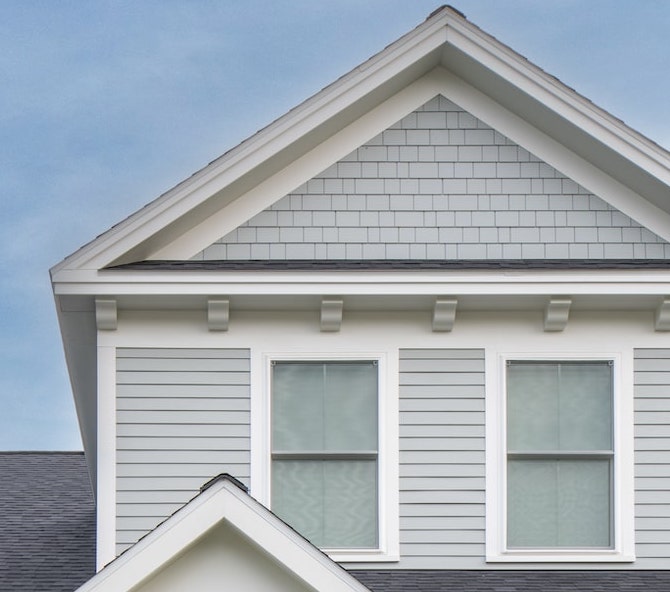
Choosing new siding is one of the most important decisions you can make for your home’s exterior. Your siding impacts curb appeal, energy efficiency, maintenance requirements, weather protection, and long-term property value. Two of the most popular options available today are Hardie Board siding and vinyl siding.
Homeowners often find themselves comparing these materials because both offer advantages over traditional wood siding. However, they differ significantly in cost, appearance, durability, maintenance needs, and overall performance.
At AAA Siding & Remodeling, we help Missouri homeowners find the siding solution that best matches their goals, budget, and lifestyle. If you are trying to decide between Hardie Board and vinyl siding, this guide will walk you through the key differences so you can make an informed investment in your home.
What Is Hardie Board Siding?
Hardie Board is a fiber cement siding product manufactured by James Hardie. It is made from a combination of cement, sand, and cellulose fibers that create a durable, weather-resistant exterior material. Fiber cement siding has become increasingly popular because it offers the appearance of real wood while requiring far less upkeep.
Hardie Board is available in several styles, including:
- Lap siding
- Vertical panels
- Shake siding
- Board and batten designs
- Multiple textures and colors
Many homeowners choose Hardie Board because it delivers a premium appearance and exceptional durability.
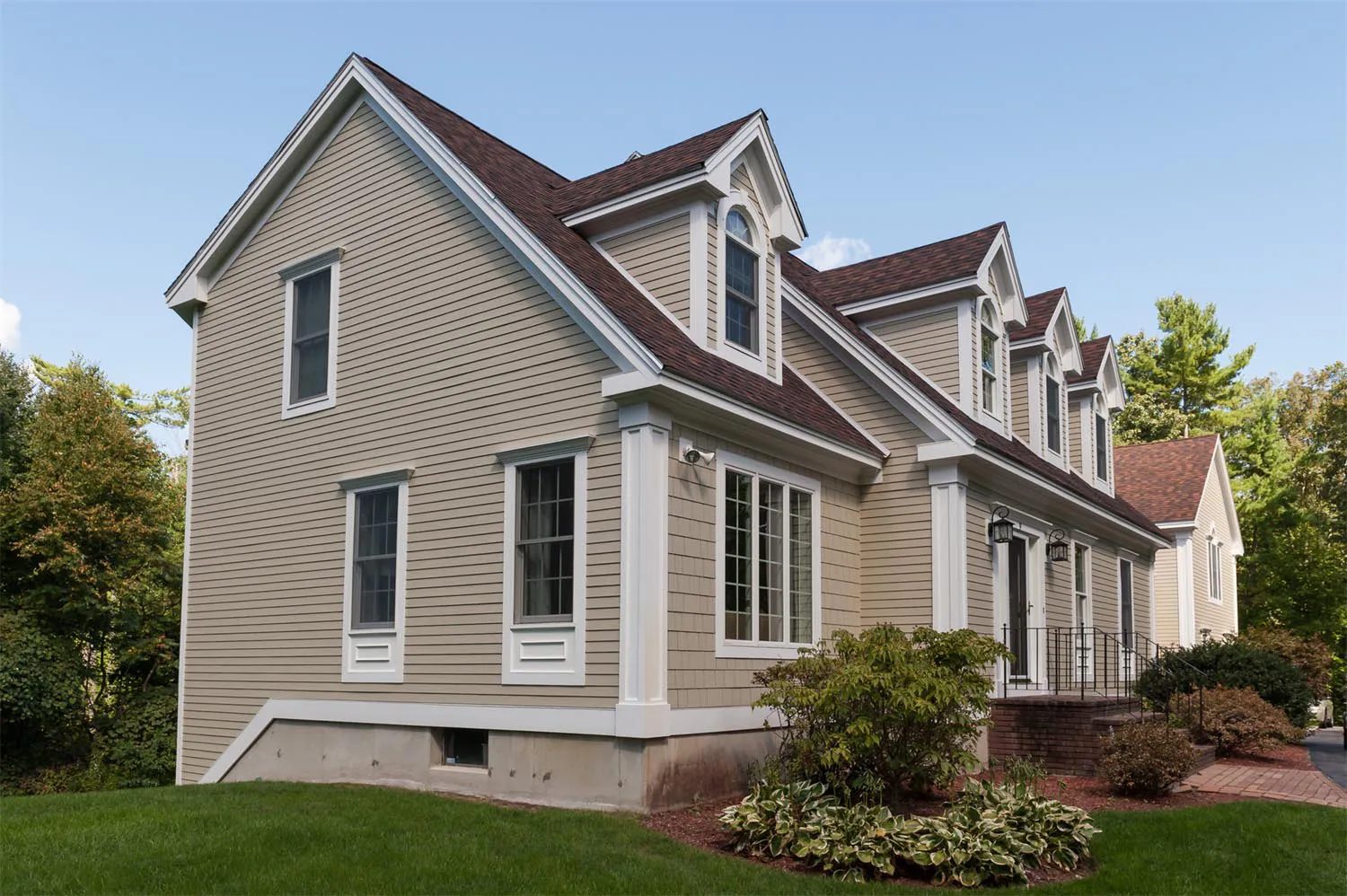
What Is Vinyl Siding?
Vinyl siding is made from PVC, a durable plastic material designed to protect homes from moisture and weather exposure. It has been one of the most widely used siding materials in the United States for decades due to its affordability and low maintenance requirements.
Modern vinyl siding comes in a wide variety of:
- Colors
- Profiles
- Textures
- Thickness levels
- Insulated options
Today’s vinyl products are far more attractive and durable than earlier generations, making them a popular choice for budget-conscious homeowners.
Hardie Board vs Vinyl Siding: Quick Comparison
| Feature | Hardie Board | Vinyl Siding |
| Material | Fiber cement | PVC plastic |
| Lifespan | 30 to 50+ years | 20 to 40 years |
| Maintenance | Moderate | Low |
| Fire Resistance | Excellent | Limited |
| Impact Resistance | High | Moderate |
| Appearance | Premium, wood-like | Good, varies by product |
| Installation Cost | Higher | Lower |
| Resale Value | Higher potential | Moderate |
| Painting | May be needed over time | Typically not required |
While both options perform well, the right choice often depends on your priorities.
Cost Comparison: Which Option Is More Affordable?
For many homeowners, cost is the first factor they consider.
Vinyl siding remains one of the most affordable exterior cladding options available. Material and installation costs are generally lower because vinyl is lightweight, easier to transport, and faster to install. Hardie Board is heavier and requires specialized installation techniques, which increases labor costs.
Typical Cost Considerations
Vinyl Siding
- Lower upfront investment
- Faster installation
- Lower labor expenses
- Widely available products
Hardie Board
- Higher material costs
- Increased installation labor
- Longer installation timeline
- Premium exterior finish
Although Hardie Board typically costs more initially, many homeowners view it as a long-term investment because of its durability and longevity.
Durability and Lifespan
When comparing Hardie Board vs vinyl siding, durability is one of the biggest differences.
Hardie Board is engineered to withstand harsh weather, moisture, temperature fluctuations, and physical impacts. Because it contains cement, it is less likely to crack, warp, or sustain damage from hail and flying debris. Many fiber cement products can last 40 to 75 years with proper maintenance.
Vinyl siding is also durable but has limitations. Extreme cold can make vinyl more brittle, while prolonged heat exposure may cause warping. High winds and impact from hail or debris can occasionally damage panels. Quality vinyl siding can still provide decades of reliable performance when properly installed.
Durability Winner
If maximum durability is your top priority, Hardie Board generally has the advantage.
Weather Resistance
Your siding must protect your home through every season.
Both products resist moisture and perform well in a variety of climates, but they respond differently to weather extremes.
Hardie Board performs exceptionally well in:
- Heavy rain
- High winds
- Snow and ice
- Humid environments
- Coastal conditions
Vinyl siding also handles moisture effectively and will not rot like wood. However, it may become more susceptible to cracking in extremely cold temperatures and can warp when exposed to intense heat.
For homeowners living in areas that experience severe weather, fiber cement often provides greater peace of mind.
Fire Resistance
One category where Hardie Board clearly stands out is fire resistance.
Because fiber cement contains cement and sand, it is considered non-combustible and offers excellent fire protection. Many homeowners appreciate this feature, particularly in areas where fire safety is a concern.
Vinyl siding is treated to resist fire spread, but it can melt or warp when exposed to high heat. While it does not necessarily ignite easily, it does not provide the same level of protection as fiber cement.
Fire Resistance Winner
Hardie Board is the clear choice for homeowners prioritizing fire safety.
Appearance and Curb Appeal
A home’s exterior plays a major role in first impressions and property value.
Many homeowners prefer Hardie Board because it closely resembles natural wood. Its thicker profile creates deeper textures and more realistic grain patterns, giving homes a high-end appearance. Fiber cement is often selected for luxury homes and historic-style architecture.
Vinyl siding has improved significantly over the years and is available in many attractive styles. Premium vinyl products can mimic wood grain and other textures surprisingly well. However, many homeowners still feel that Hardie Board offers a more authentic and upscale appearance.
Appearance Winner
For premium curb appeal, Hardie Board typically comes out ahead.
Maintenance Requirements
Maintenance is where vinyl siding shines.
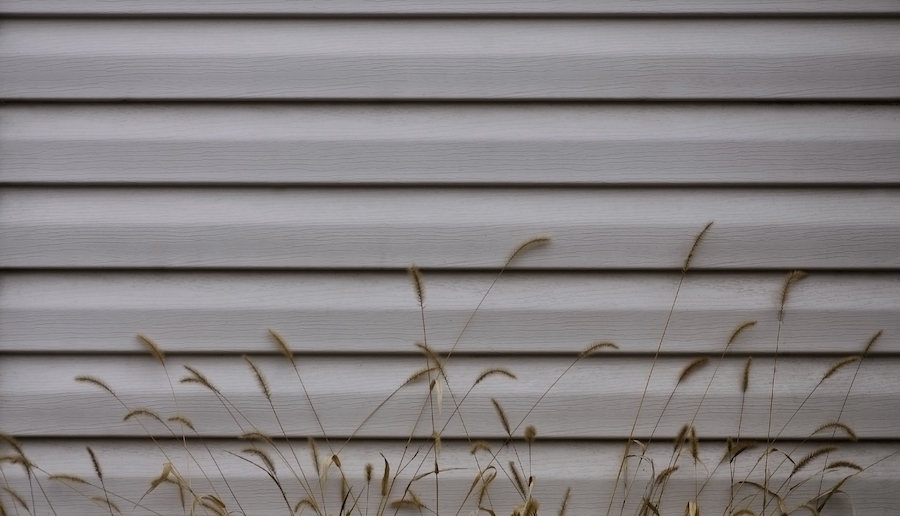
Most vinyl siding simply requires occasional washing to remove dirt and debris. Because the color is integrated throughout the material, homeowners rarely need to paint it.
Hardie Board is also relatively low maintenance compared to wood siding, but it may eventually require:
- Repainting
- Caulking touch-ups
- Periodic inspections
- Routine cleaning
Although these maintenance needs are not extensive, they are generally greater than those of vinyl siding.
Maintenance Winner
Vinyl siding offers the easiest long-term upkeep.
Energy Efficiency
Neither standard Hardie Board nor traditional vinyl siding is known primarily for insulation value. Energy efficiency often depends more on the wall assembly behind the siding, including house wrap, insulation, and installation quality.
That said, insulated vinyl siding options can provide additional thermal performance, helping reduce heat transfer and potentially improve comfort.
When installed correctly, both products can contribute to an energy-efficient exterior system.
Resale Value and Return on Investment
Homeowners frequently ask which siding material adds more value to their home.
Hardie Board often appeals to buyers because of its premium appearance, durability, and reputation for long-term performance. As a result, it may contribute more strongly to resale value in many markets.
Vinyl siding also provides excellent value, particularly because of its lower initial cost. Buyers appreciate its low maintenance requirements and affordability.
Ultimately, both materials can improve home value when professionally installed, but Hardie Board is often viewed as the higher-end upgrade.
Which Siding Is Best for Your Home?
The right answer depends on your priorities.
Choose Hardie Board If You Want:
- Maximum durability
- Premium curb appeal
- Superior fire resistance
- Long-term investment value
- Enhanced weather protection
Choose Vinyl Siding If You Want:
- Lower upfront costs
- Minimal maintenance
- Faster installation
- Wide style and color selection
- Excellent overall value
Many homeowners find that vinyl siding delivers everything they need at a budget-friendly price point. Others prefer to invest more upfront for the premium benefits offered by Hardie Board.
What Homeowners Are Saying
Across homeowner communities and industry discussions, many people praise Hardie Board for its appearance, durability, and long lifespan. At the same time, many homeowners continue to choose vinyl because of its affordability and low maintenance benefits. Community discussions often show that the decision ultimately comes down to budget, maintenance preferences, and long-term goals.
Trust AAA Siding & Remodeling for Expert Guidance
Whether you choose Hardie Board or vinyl siding, professional installation is essential to maximizing performance and longevity. Even the best siding products can underperform if they are not installed correctly.
At AAA Siding & Remodeling, our experienced team helps homeowners evaluate their options, understand the pros and cons of each material, and select the siding solution that best fits their home and budget.
We offer expert siding consultations, quality craftsmanship, and premium products designed to protect and beautify your home for years to come.
If you are considering a siding replacement project, contact AAA Siding & Remodeling by calling 816-421-5433 or reach out online today to learn more about Hardie Board and vinyl siding options and receive a free estimate.
FAQ: Hardie Board Siding vs Vinyl Siding: Comparing Cost, Durability, and Value
1. Is Hardie Board more expensive than vinyl siding?
Yes. Hardie Board generally has higher material and installation costs due to its weight, durability, and specialized installation requirements.
2. How long does Hardie Board siding last?
With proper installation and maintenance, Hardie Board can last 30 to 50 years or more.
3. Does vinyl siding require painting?
No. Most vinyl siding comes with color built into the material, eliminating the need for painting.
4. Which siding is better for severe weather?
Hardie Board typically performs better in extreme weather conditions because of its strength and impact resistance.
5. Does Hardie Board increase home value?
Many homeowners and real estate professionals view Hardie Board as a premium exterior upgrade that can positively impact resale value.