10 Signs You Need to Replace Vinyl Siding Before Bigger Problems Start
Your home’s siding does much more than improve curb appeal. It protects your house from moisture, wind, pests, and changing temperatures while helping maintain energy efficiency year-round. Vinyl siding has long been a popular option because it is durable, affordable, and low maintenance. However, even quality siding eventually reaches the end of its lifespan.
Many homeowners ignore early warning signs because the damage develops gradually. Small cracks, fading, or loose panels may not seem urgent at first, but these issues can quickly lead to water damage, mold growth, insulation problems, and costly structural repairs if left untreated.
At AAA Siding & Remodeling, we help homeowners throughout the Kansas City metro area identify siding problems early and choose replacement solutions that improve both protection and appearance. With more than 25 years of exterior remodeling experience and recognition as a James Hardie Elite Preferred Contractor, our team understands how Midwest weather affects siding performance over time.
If you are wondering whether your siding needs simple repairs or a full replacement, here are the most common signs to watch for.
1. Cracks, Holes, or Visible Damage
One of the clearest signs your vinyl siding needs replacement is obvious physical damage. Small cracks or holes may not seem serious initially, but even minor openings can allow moisture behind the siding panels.
Over time, this trapped moisture can lead to:
- Mold and mildew growth
- Wood rot beneath the siding
- Interior water damage
- Higher energy bills
- Pest infestations
Vinyl siding naturally expands and contracts with temperature changes. Years of exposure to heat, cold, hail, and strong winds can weaken the material and cause cracking or splitting.
If the damage is isolated to one area, repairs may still be possible. However, widespread cracking across multiple sections usually indicates the siding is aging and losing its structural integrity.
2. Warping or Buckling Panels
Warped siding panels are another major red flag. Vinyl siding should lay flat against your home. If panels appear wavy, bent, or bubbled, it often means moisture has become trapped underneath or the siding was exposed to excessive heat.
Buckling can happen for several reasons:
- Poor original installation
- Long-term moisture intrusion
- Heat damage from reflected sunlight
- Aging materials losing flexibility
Warping does not just affect appearance. It can compromise your home’s protective barrier and allow water to seep into the walls.
Homeowners sometimes notice this problem after storms or during seasonal temperature swings. If large portions of your siding are buckling, replacement is usually the most reliable long-term solution.
3. Fading or Severe Discoloration
Vinyl siding naturally fades over time due to sun exposure. While some color change is expected after many years, excessive fading can indicate your siding is nearing the end of its lifespan.
When siding loses its color protection, it often becomes more brittle and vulnerable to cracking. Severe fading can also reduce curb appeal and make your home appear older than it is.
Look for:
- Uneven color changes
- Chalky residue on the surface
- Sections that appear washed out
- Sun-damaged areas facing direct sunlight
Modern siding products offer improved UV resistance and longer-lasting color technology compared to older vinyl materials. Upgrading your siding can dramatically refresh your home’s appearance while improving durability.
4. Rising Energy Bills
If your heating and cooling costs continue increasing without another obvious explanation, your siding could be part of the problem.
Old or damaged siding may allow outside air to enter your home through gaps, cracks, or weakened insulation layers. This forces your HVAC system to work harder to maintain indoor comfort.
Poor siding performance often leads to:
- Drafty rooms
- Uneven indoor temperatures
- Reduced insulation efficiency
- Increased heating and cooling expenses
Replacing outdated siding with modern insulated products can improve energy efficiency and help stabilize utility costs throughout the year.
At AAA Siding & Remodeling, homeowners can choose from durable siding options designed specifically for Midwest weather conditions, including vinyl and fiber cement siding systems that improve protection and efficiency.
5. Mold, Mildew, or Fungus Growth
Mold and mildew growing on your siding may indicate more than surface dirt. Persistent growth can signal trapped moisture behind the panels.
Pay close attention to:
- Green or black streaks
- Fungal growth near seams
- Mold around corners or lower walls
- Persistent mildew after cleaning
Moisture problems behind siding can spread quickly into the home’s framing and insulation. If caught early, isolated areas may be repairable. However, recurring mold growth often means water intrusion has already become a larger issue.
A professional siding inspection can determine whether replacement is necessary to fully resolve the problem.
6. Loose or Missing Panels
Strong winds and severe weather can loosen siding panels over time. Once panels begin separating from the home, your exterior becomes vulnerable to water penetration and additional storm damage.
Missing siding panels expose the underlayment directly to moisture and UV exposure. Even a single missing section can eventually lead to:
- Rotting wood sheathing
- Interior leaks
- Insect damage
- Reduced insulation performance
Loose panels may also indicate the siding fastening system has weakened with age. In older homes, matching replacement panels can be difficult because manufacturers discontinue certain styles and colors over time.
If multiple areas are becoming loose or detached, full replacement often provides a more consistent and durable result.
7. Frequent Repairs Are Adding Up
Occasional siding repairs are normal, especially after storms. However, constant patching becomes expensive and frustrating over time.
You may want to consider replacement if you find yourself repeatedly dealing with:
- Cracked panels
- Loose sections
- Moisture issues
- Repainting or cleaning
- Recurring mold growth
At a certain point, investing in a complete siding replacement becomes more cost-effective than continuing temporary fixes.
New siding also gives homeowners the opportunity to modernize their home’s appearance, improve energy efficiency, and reduce future maintenance needs.
8. Interior Water Damage or Peeling Paint
Sometimes siding problems become noticeable inside the home before exterior damage is obvious.
Watch for interior warning signs such as:
- Peeling wallpaper
- Bubbling paint
- Water stains on walls
- Soft drywall
- Musty odors
These issues may indicate moisture is entering through failing siding and affecting the interior structure.
Water intrusion should never be ignored because it can lead to mold growth and expensive structural repairs. Replacing damaged siding promptly can help protect both the exterior and interior of your home.
9. Your Siding Is More Than 20 Years Old
Vinyl siding can last for decades, but age eventually takes a toll. Older siding materials may become brittle, faded, and less weather resistant over time.
The exact lifespan depends on factors like:
- Installation quality
- Climate exposure
- Storm damage history
- Maintenance practices
- Material quality
In areas with intense seasonal weather changes like Kansas City, siding often experiences additional stress from temperature fluctuations, wind, and storms.
If your siding is approaching or exceeding 20 years old, it may be time to schedule a professional inspection to evaluate its condition.
At AAA Siding & Remodeling, our experienced team helps homeowners determine whether repairs are sufficient or if replacement will provide better long-term value. Since 1998, we have specialized in exterior remodeling solutions designed for homes throughout Missouri and Kansas.
10. You Want Better Curb Appeal and Home Value
Sometimes siding replacement is not just about damage. Many homeowners decide to replace older vinyl siding simply to improve the look and value of their home.
New siding can dramatically transform your property by:
- Updating outdated colors
- Improving architectural style
- Increasing resale value
- Enhancing curb appeal
- Creating a more modern appearance
Today’s siding products offer more design flexibility than ever before, including realistic wood grain textures, bold colors, and enhanced durability.
If you plan to sell your home in the future, updated siding can make a strong first impression on potential buyers.
Repair vs. Replacement: How to Decide
Not every siding issue requires complete replacement. Minor storm damage or isolated cracks can sometimes be repaired successfully. The key is understanding when repairs are no longer enough.
Repairs May Work If:
- Damage is limited to one small section
- The siding is relatively new
- Moisture has not penetrated underneath
- Matching materials are still available
Replacement Is Often Better If:
- Damage appears in multiple areas
- The siding is old and brittle
- Moisture problems are widespread
- Repairs are becoming frequent
- Energy efficiency has declined
A professional inspection can help determine the most practical and cost-effective option for your home.
Benefits of Replacing Vinyl Siding
Replacing worn-out siding does more than fix visible problems. It also provides long-term advantages for homeowners.
Improved Protection
New siding creates a stronger barrier against wind, rain, pests, and moisture intrusion.
Better Energy Efficiency
Modern siding systems can improve insulation and help reduce heating and cooling costs.
Lower Maintenance
Today’s siding products require less upkeep and resist fading, cracking, and weather damage more effectively.
Enhanced Appearance
Fresh siding instantly boosts curb appeal and modernizes your home’s exterior.
Increased Home Value
Exterior upgrades often improve resale value and attract more buyer interest.
Choosing the Right Replacement Siding
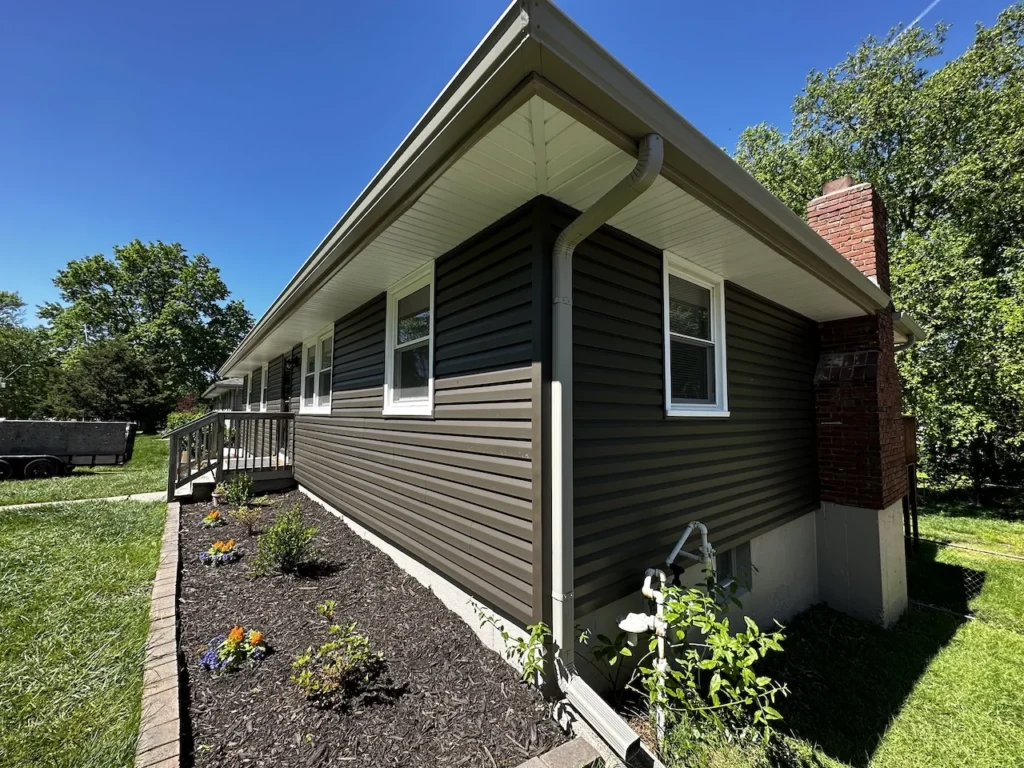
If your current vinyl siding needs replacement, this is the perfect opportunity to explore modern siding materials and styles.
Popular options include:
- Traditional vinyl siding
- Insulated vinyl siding
- Fiber cement siding
- Engineered wood siding
- Composite siding systems
Each material offers different advantages depending on your budget, maintenance preferences, and aesthetic goals.
At AAA Siding & Remodeling, homeowners can choose from premium siding options including vinyl, wood, and James Hardie fiber cement products designed for long-lasting durability and curb appeal.
Why Homeowners Trust AAA Siding & Remodeling
Choosing the right contractor is just as important as choosing the right siding material.
For more than 25 years, AAA Siding & Remodeling has helped homeowners throughout the Kansas City metro area improve their homes with professional exterior remodeling services. As a family-owned company and one of the first James Hardie Elite Preferred Contractors in Missouri and Kansas, we are committed to quality craftsmanship and customer satisfaction.
Our team works closely with homeowners to identify siding issues, recommend the best solutions, and complete installations with precision and care.
Whether your siding has visible damage or you simply want a fresh new look for your home, we are here to help you protect your investment for years to come. Contact our team online or call 816-421-5433 to schedule a free estimate today!
FAQ: When to Replace Vinyl Siding on Your Home
How long does vinyl siding typically last?
Most vinyl siding lasts between 20 and 40 years depending on installation quality, climate conditions, and maintenance.
Can damaged vinyl siding be repaired instead of replaced?
Yes, small isolated issues can often be repaired. However, widespread damage, moisture problems, or aging siding may require full replacement.
What causes vinyl siding to warp?
Warping is commonly caused by trapped moisture, excessive heat exposure, improper installation, or aging materials.
Does replacing siding increase home value?
Yes, new siding can improve curb appeal, energy efficiency, and resale value while making the home more attractive to buyers.
What siding options does AAA Siding & Remodeling offer?
AAA Siding & Remodeling offers vinyl, wood, and fiber cement siding solutions, including premium James Hardie products designed for long-term durability.
Related Topics