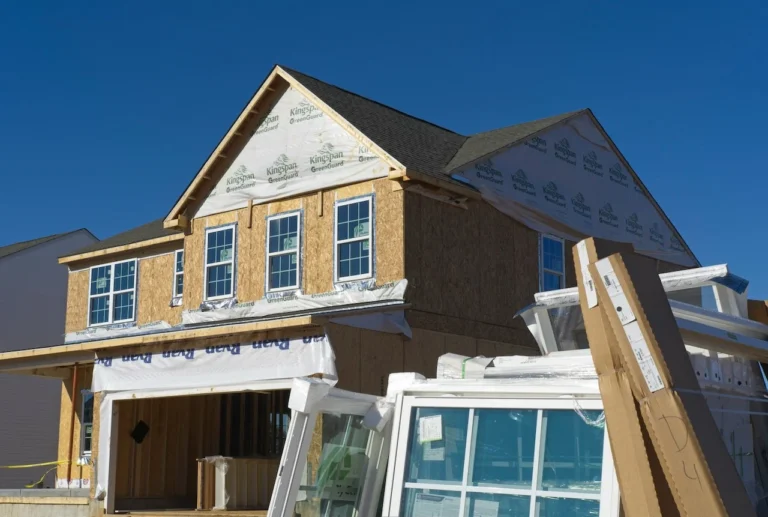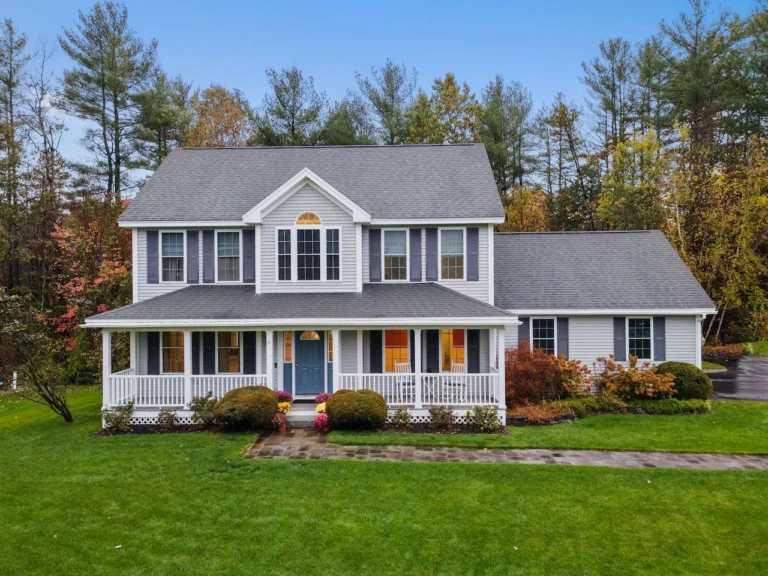
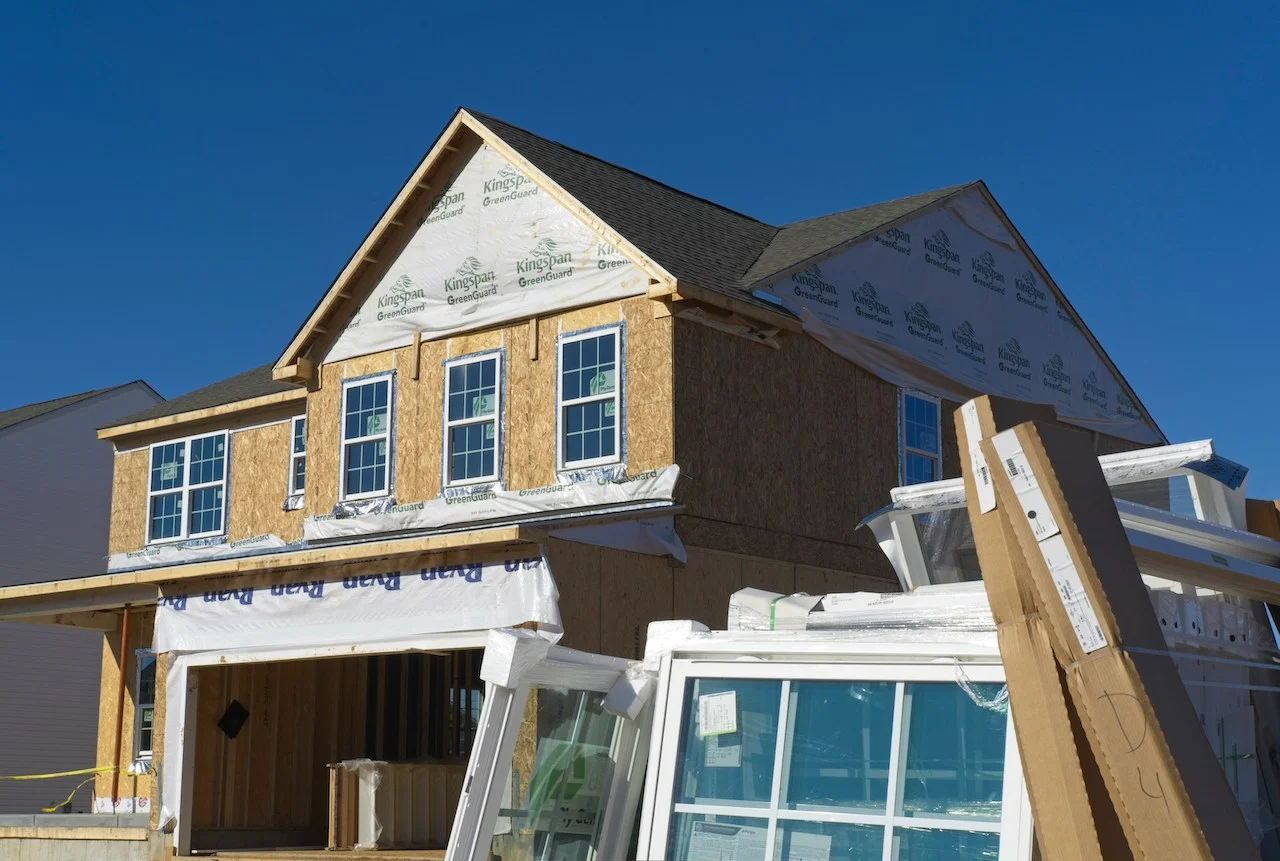
When you’re replacing siding, it’s easy to focus on the material, color, and style you’ll see from the street. But there’s another important part of your home’s exterior wall system that stays hidden: residential housewrap.
Installed behind siding, housewrap can help manage water and air movement through the exterior wall assembly while giving moisture that gets behind the siding a way to drain away from the home. The U.S. Department of Energy describes housewrap as a commonly used weather-resistive barrier and drainage plane behind exterior cladding.
If you’re replacing siding or concerned about moisture behind your exterior walls, AAA Siding & Remodeling can evaluate your home’s siding system—Contact AAA Siding & Remodeling at 816-421-5433 to get started.
What Is Residential Housewrap?
Residential housewrap is a protective membrane installed over exterior wall sheathing and behind siding or another exterior cladding material. You may also hear it called a house wrap, building wrap, weather barrier, or weather-resistive barrier (WRB).
Housewrap isn’t intended to replace siding. Instead, it works as part of the larger building envelope.
Think of your exterior wall as a system with multiple layers. The siding is the outermost visible layer, while the sheathing, insulation, framing, air-control materials, flashing, and housewrap work together behind it.
The purpose of a moisture barrier or water-resistive barrier is to help manage water that makes its way past the exterior cladding.
That’s important because siding isn’t designed to create a completely waterproof wall. Wind-driven rain can enter through joints, seams, penetrations, and other small openings. The U.S. Department of Energy notes that typical exterior cladding systems can allow some water to get behind the siding, making drainage and water management behind the cladding important.
Why Do Homes Need House Wrap?
A properly installed house wrap provides several important functions within an exterior wall system.
The main benefits include:
- Helping protect wall sheathing from water intrusion
- Providing a drainage plane behind siding
- Reducing unwanted air movement when designed and sealed as an air barrier
- Allowing water vapor to escape in vapor-permeable products
- Helping protect insulation and other wall components
- Supporting the overall durability of the exterior wall assembly
The important word here is properly. Housewrap isn’t a magic waterproof coating that makes an incorrectly installed siding system leak-proof. Its performance depends on the specific product, installation method, flashing, seams, penetrations, and how all the components are integrated.
The Department of Energy specifically notes that housewrap must be integrated with flashing to perform as a weather-resistive barrier, while seams, edges, and openings require appropriate attention during installation.
How Does a Weather-Resistive Barrier Protect Your Home?
A weather-resistive barrier is designed to help control water that gets past the exterior cladding.
Imagine rain hitting your home during a Kansas City storm. Most of the water stays outside, but some can enter behind siding at joints, around windows, near penetrations, or at other transitions.
Without an appropriate drainage plane, that moisture can remain against the sheathing or framing.
A properly installed water-resistive barrier provides a layer behind the siding that helps direct incidental water downward and toward the exterior rather than allowing it to remain inside the wall assembly.
The 2024 International Residential Code describes the exterior wall envelope as needing to provide weather resistance and includes requirements for a water-resistive barrier behind exterior wall cladding in applicable construction.
Housewrap Helps Manage Water Behind Siding
One of the most important things to understand about housewrap is that it’s part of a drainage strategy.
It doesn’t mean water can never get behind siding. Instead, it helps provide a controlled path for incidental water to move back toward the exterior.
The Department of Energy recommends installing housewrap behind exterior cladding and integrating it with flashing around windows, doors, penetrations, and wall transitions.
This is one reason a siding project should involve more than simply removing old panels and installing new ones.
If the underlying wall assembly isn’t evaluated when appropriate, visible siding problems may be only part of the issue.

Residential Housewrap Can Help Control Air Infiltration
Moisture isn’t the only reason residential housewrap matters.
Certain housewrap products can also contribute to air control when they are specifically designed for that purpose and installed and sealed correctly.
Air movement through gaps in an exterior wall can affect comfort and energy performance. The U.S. Department of Energy explains that housewrap can function as a continuous air barrier when the material is properly sealed at seams and integrated with other components.
This distinction is important: not every housewrap installation automatically functions as an air barrier.
For a housewrap to contribute to air control, the installation needs to follow the product manufacturer’s requirements. That may include sealing seams, edges, penetrations, and transitions with compatible materials.
Can Housewrap Improve Energy Efficiency?
A house wrap can contribute to energy efficiency by helping reduce uncontrolled air movement when it is designed and installed as an air barrier.
However, housewrap should not be described as a substitute for insulation.
Your home’s energy performance depends on the entire building envelope, including:
- Insulation
- Air sealing
- Windows and doors
- Siding
- Roof and attic assembly
- HVAC equipment
- Ductwork
- Flashing and drainage
- The condition of the wall assembly
Housewrap is one component of that system.
Why Moisture Management Matters
Moisture is one of the biggest concerns when discussing exterior wall construction.
Water can enter an exterior wall through several paths, including:
- Wind-driven rain
- Leaks around windows and doors
- Poorly sealed penetrations
- Damaged siding
- Improper flashing
- Roof-to-wall transitions
- Plumbing or electrical penetrations
- Gaps around exterior fixtures
If moisture enters a wall and cannot dry effectively, it can contribute to deterioration of building materials.
That’s why a good moisture barrier isn’t simply about stopping water from coming inside. The wall assembly also needs a way to manage and release moisture.
Housewrap Can Allow Walls to Dry
Many modern housewrap products are designed to resist bulk water while remaining vapor permeable.
That combination is useful because it can help prevent exterior water from entering while allowing moisture vapor within the wall system to move outward.
The exact performance varies by product, so homeowners shouldn’t assume every housewrap has identical properties.
When selecting a siding underlayment or weather barrier, the product needs to be appropriate for the wall assembly, siding material, climate, and manufacturer’s installation requirements.
Why Proper House Wrap Installation Matters
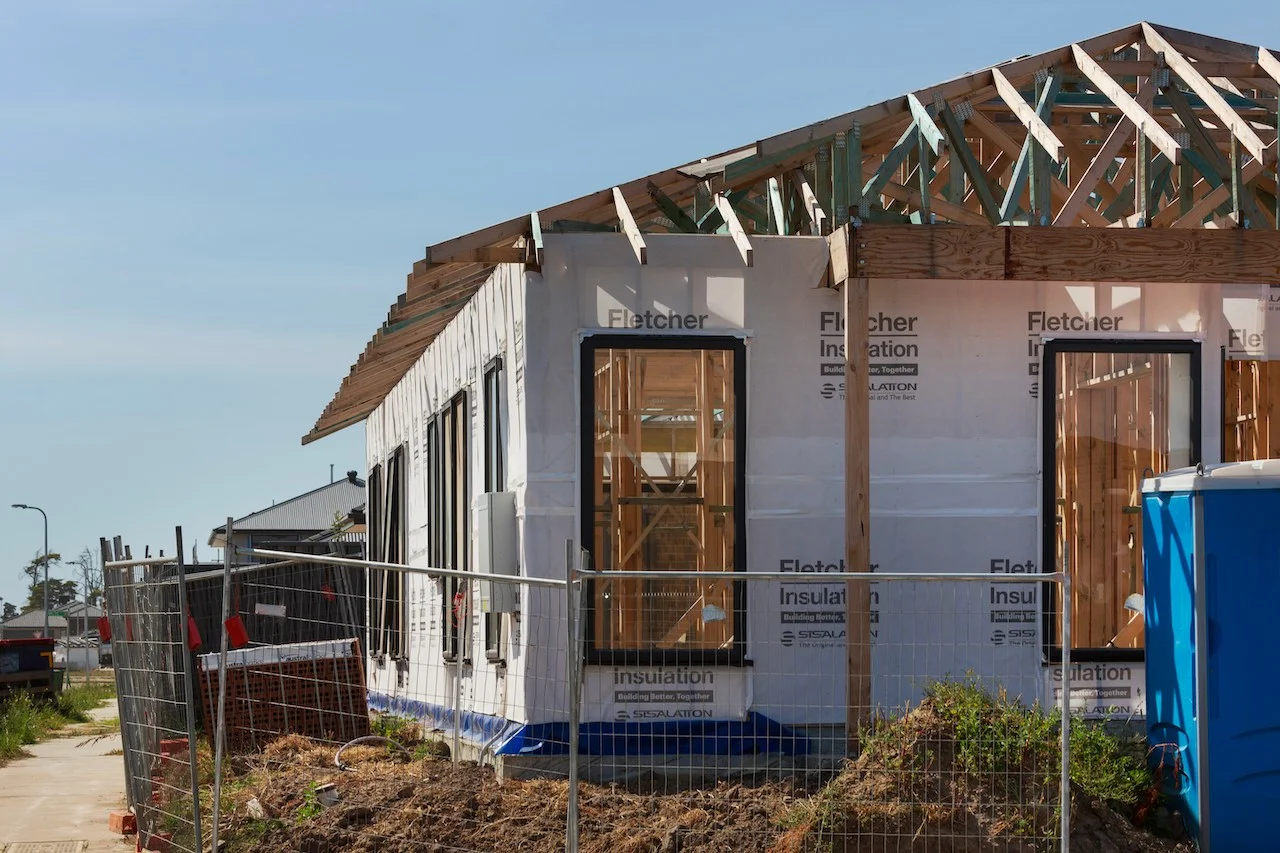
Installing housewrap isn’t simply a matter of covering the wall with a sheet of material.
The installation details matter.
According to the U.S. Department of Energy, a housewrap weather barrier should be properly sealed at seams and edges and integrated with flashing at openings and transitions.
Important areas include:
- Window and door openings
- Exterior electrical outlets
- Hose bibs
- Exhaust vents
- HVAC penetrations
- Wall-to-roof transitions
- Wall intersections
- Corners
- The top and bottom of exterior walls
Water follows gravity, but wind can push it sideways or upward. This is why the way the layers overlap and connect matters.
The 2024 International Residential Code also specifies requirements for continuity and installation of water-resistive barriers and flashing in applicable wall assemblies.
House Wrap Installation Should Work With Flashing
Housewrap and flashing are not separate systems that should be treated independently.
They need to work together.
Flashing around windows and doors helps direct water toward the exterior. The weather-resistive barrier should be integrated with these components so water has a continuous drainage path.
The Department of Energy specifically emphasizes the relationship between housewrap and flashing at windows, doors, penetrations, and other wall transitions.
This is one reason professional installation matters during siding replacement.
Does Every Siding Material Need Housewrap?
The answer depends on the wall assembly, applicable building requirements, existing construction, and the specific siding system.
Modern exterior walls commonly incorporate a water-resistive barrier or another approved method of managing water behind cladding. The 2024 IRC recognizes several types of water-resistive barrier systems, including approved housewrap products and other assemblies.
Regardless of the visible siding material, the wall behind it still needs an appropriate approach to water management.
Housewrap Behind Fiber Cement Siding
Fiber cement siding is durable, but the siding itself doesn’t eliminate the need to properly manage water behind the cladding.
When installing fiber cement, the underlying wall assembly should be prepared according to the applicable building requirements and manufacturer’s installation instructions.
Housewrap Behind Vinyl Siding
Vinyl siding is designed to allow some movement and drainage, so the wall assembly behind it remains important.
A properly installed house wrap can provide a weather-resistive layer behind the vinyl while helping manage incidental moisture.
Housewrap Behind Engineered Wood Siding
Engineered wood siding also needs to be installed as part of a properly designed wall assembly.
Homeowners considering this material can learn more from AAA’s guide to engineered wood siding vs. fiber cement.
The material on the outside may change, but proper moisture management behind the cladding remains important.
What Happens to Housewrap During Siding Replacement?
If you’re replacing existing siding, the condition of the materials underneath should be part of the conversation.
In some cases, removing old siding provides an opportunity to inspect:
- Wall sheathing
- Existing housewrap
- Flashing
- Window and door transitions
- Areas of water intrusion
- Rot or deterioration
- Previous repairs
- Penetrations and exterior fixtures
Not every siding replacement project will require the same approach.
If the existing housewrap is damaged, missing, improperly installed, or incompatible with the new wall assembly, your contractor may recommend addressing it as part of the project.
Signs Your Home May Have a Moisture Problem Behind the Siding
You can’t always see problems behind siding from the outside. However, certain symptoms deserve attention.
Watch for:
- Bubbling or blistering finishes
- Warped siding
- Rot
- Persistent mold or mildew
- Water stains
- Damaged sheathing
- Repeated siding failures
- Soft areas around windows or doors
- Recurring moisture problems
- Musty odors inside the home
AAA’s recent guide on when to repair vs. replace your siding notes that moisture behind siding and deterioration of the underlying wall assembly are important factors when determining the appropriate solution.
Residential Housewrap and Your Home’s Long-Term Protection
A new siding installation is an investment in your home’s appearance and exterior protection. But the visible siding is only one part of that system.
The layers underneath matter too.
A properly selected and installed residential housewrap can help:
- Manage water that gets behind siding
- Create a drainage plane
- Reduce air infiltration when properly sealed and designed for that purpose
- Support moisture drying
- Protect the wall assembly
- Work with flashing around vulnerable openings
The best results come from treating siding, housewrap, flashing, trim, and other exterior components as one connected system rather than individual products.
AAA’s existing article on the benefits of James Hardie fiber cement siding also discusses moisture protection as one consideration when evaluating siding materials.
Protect What’s Behind Your Siding With AAA Siding & Remodeling
Your home’s siding is the first thing you see, but what’s behind it can be just as important. Residential housewrap helps create a more complete exterior wall system by managing water, supporting drainage, and, when properly designed and sealed, helping control air movement.
Whether you’re installing fiber cement, vinyl, or engineered wood siding, the layers behind the cladding deserve careful attention. AAA Siding & Remodeling has served Kansas City-area homeowners since 1998 and can help evaluate your exterior, explain your siding options, and identify potential concerns beneath the surface.
Call 816-421-5433 or contact AAA Siding & Remodeling to schedule your consultation and learn more about protecting your home with the right siding system.
FAQ: Residential Housewrap
What is residential housewrap?
Residential housewrap is a membrane installed behind exterior siding or cladding to help manage water and air movement through the wall assembly. It commonly serves as a weather-resistive barrier and drainage plane, depending on the product and installation.
Is housewrap necessary behind siding?
A house wrap or another approved water-resistive barrier is commonly part of residential exterior wall assemblies, and applicable building codes can require a water-resistive barrier behind exterior cladding. However, requirements vary by construction type and wall assembly, so the exact approach should follow applicable codes and manufacturer instructions.
Does housewrap keep water out?
A water-resistive barrier helps resist bulk water and provides a drainage plane for incidental moisture that gets behind siding. It does not make the entire exterior wall completely waterproof by itself. Proper flashing, siding installation, sealing, and drainage are also necessary.
Is housewrap the same as a moisture barrier?
The terms can overlap, but they aren’t always interchangeable. Modern housewrap products can function as weather- or water-resistive barriers while also allowing water vapor to pass through. The exact properties depend on the product.
Can housewrap improve energy efficiency?
Some housewrap products can contribute to air control when they are specifically designed for that purpose and properly sealed. This can help reduce uncontrolled air movement through the wall assembly. Housewrap is not a replacement for insulation or comprehensive air sealing.
Should housewrap be replaced when siding is replaced?
Not necessarily. The existing housewrap should be evaluated based on its condition, installation, compatibility with the new siding system, and applicable requirements. If it is damaged, missing, or improperly integrated with flashing, your contractor may recommend correcting the issue.
Can moisture get behind housewrap?
Housewrap isn’t intended to prevent every drop of moisture from entering the wall assembly. Its role is to help manage incidental water and direct it toward the exterior while, for many products, allowing water vapor to escape. Proper installation is critical.
Related Topics