Knowing when to choose siding repair vs replacement can be difficult. A cracked panel, faded color, loose section, or moisture problem does not necessarily mean your entire exterior needs to be replaced.
In other situations, repeatedly repairing damaged siding may only postpone a larger problem. The right choice depends on the extent of the damage, the condition of the underlying materials, the age of your siding, and how well the existing system is performing.
If you’re unsure whether you should repair or replace siding, AAA Siding & Remodeling can evaluate your home’s exterior and help you determine the appropriate next step. Contact AAA Siding & Remodeling or call 816-421-5433 to schedule an evaluation.
Siding Repair vs Replacement: What You’ll Learn
When deciding between repair and replacement, consider:
- How extensive the siding damage is
- Whether the damage is isolated or widespread
- The age and overall condition of the siding
- Signs of moisture behind the siding
- Rot, warping, cracking, or bubbling
- How frequently the siding needs repairs
- Whether replacement materials are available for your existing siding
- Your home’s long-term exterior goals
- Whether the underlying wall assembly needs attention
A professional evaluation can help determine whether siding repair is enough or whether siding replacement makes more sense.
When Does Siding Repair Make Sense?
Not every siding problem requires a complete replacement. If the siding is generally in good condition and the damage is limited to a relatively small area, repairing the affected section may be a practical solution.
AAA Siding & Remodeling’s siding repair services are designed for situations where targeted repairs can address localized problems and extend the useful life of the existing siding system.
Repair Siding When the Damage Is Localized
One of the biggest factors in the siding repair vs replacement decision is how much of the exterior is actually damaged.
For example, repair may be appropriate when you have:
- One or a few cracked panels
- Isolated hail or impact damage
- A small section damaged by landscaping equipment
- Limited damage around a window
- A loose or missing piece
- A small area of deteriorated caulking or sealant
- One localized area showing wear while the rest of the siding remains in good condition
The goal should not simply be to make the damage less noticeable. A proper repair should address why the siding failed and whether moisture or other damage has affected the area behind it.
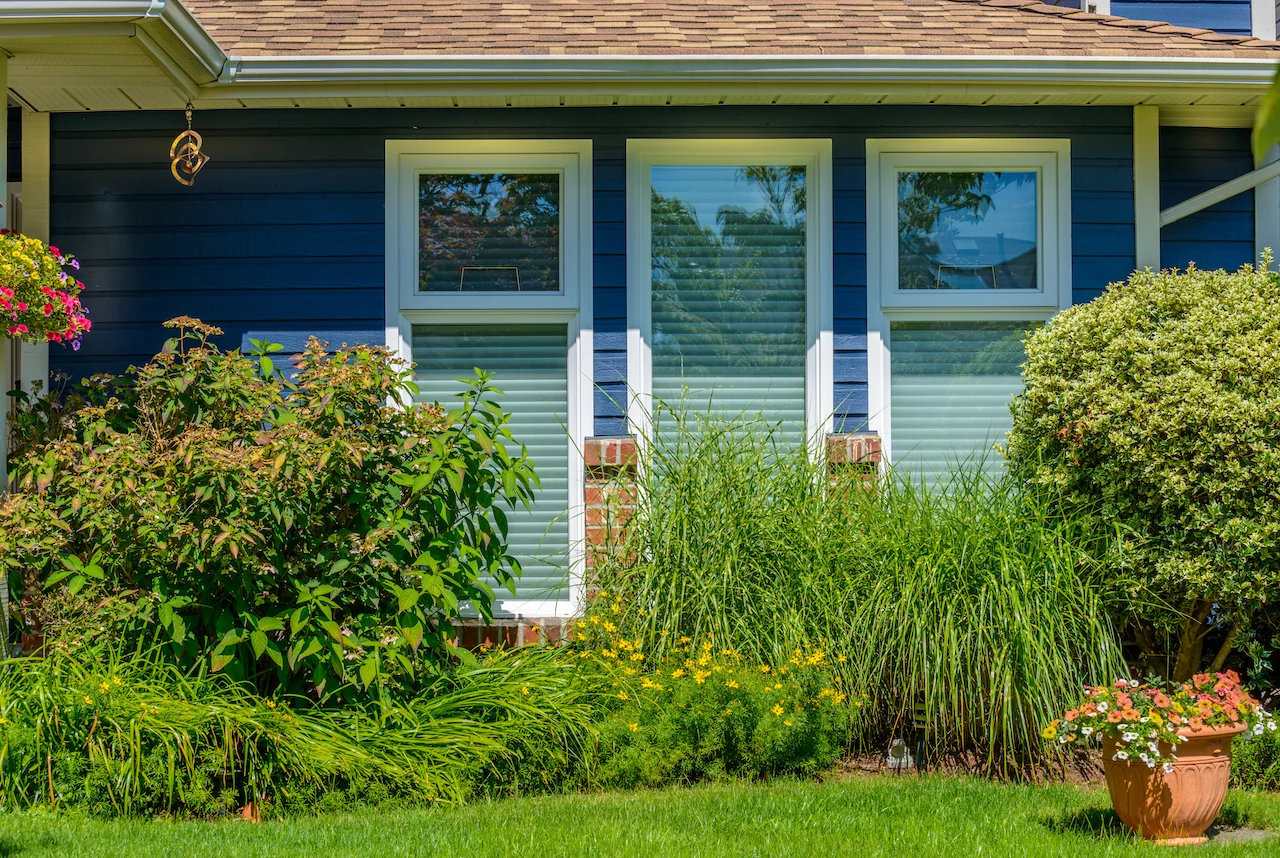
When Should You Replace Siding?
Siding replacement becomes more appropriate when problems are widespread, recurring, or connected to deterioration beneath the visible exterior.
There is no single age at which every home needs new siding. Different materials and installation conditions can have very different service lives. Instead of relying solely on age, evaluate the condition and performance of the entire siding system.
Signs You Need New Siding
Some of the most important signs you need new siding include:
- Widespread cracking
- Warping or buckling
- Bubbling or blistering
- Rot or soft areas
- Recurring moisture problems
- Extensive pest damage
- Numerous loose or missing sections
- Severe fading or deterioration
- Frequent repairs
- Damage throughout multiple elevations of the home
James Hardie similarly identifies cracking, warping, missing siding, rot, insect damage, and increasingly frequent maintenance as potential indicators that homeowners should consider re-siding.
One damaged board does not automatically mean you need new siding. The key is determining whether the problem is isolated or represents deterioration across the exterior.
Siding Repair vs Replacement: How Extensive Is the Damage?
The amount of damage is one of the most useful ways to approach siding repair vs replacement.
Imagine that a tree branch hits one section of vinyl siding during a storm. The surrounding panels remain straight, secure, and intact. If matching material is available, replacing the damaged section may be enough.
Now consider a home where multiple walls have:
- Cracked panels
- Warped boards
- Faded finishes
- Moisture staining
- Loose siding
- Repeatedly repaired areas
At that point, continuing to patch individual sections may not address the underlying condition of the exterior.
A professional inspection can help determine the difference.
Moisture Damage Can Change the Repair vs. Replace Decision
Water is one of the most important issues to investigate when evaluating damaged siding.
Siding is part of a larger exterior wall system. Behind the visible siding can be sheathing, flashing, housewrap or another water-resistive barrier, insulation, and framing.
The U.S. Department of Energy’s Building Science Education resources explain that exterior cladding systems can allow some water to pass through joints and small gaps, which is why properly designed drainage and water-resistive layers behind the siding are important.
That means a damaged siding panel isn’t always just a cosmetic issue.
Look for These Signs of Possible Moisture Problems
Potential warning signs include:
- Brown or dark staining
- Soft or spongy areas
- Bubbling
- Swelling
- Rot
- Persistent dampness
- Deterioration around windows
- Damage near roof-to-wall transitions
- Recurring problems in the same location
The EPA also emphasizes that controlling moisture is important for preventing building damage and recommends addressing water leaks and moisture sources rather than simply treating the visible symptom.
If moisture has affected the substrate or framing, replacing only the visible siding may not solve the problem.
Should You Repair or Replace Faded Siding?
Fading is a little different from structural siding damage.
Siding can become discolored over time because of sunlight, weather exposure, age, and normal wear. If the siding is otherwise structurally sound, fading alone does not necessarily mean it must be replaced.
However, widespread fading can become a factor when combined with other problems.
For example:
Fading only:
Repair or cleaning may be enough, depending on the siding material and condition.
Fading + cracking:
Replacement may deserve consideration.
Fading + warping + moisture problems:
A professional evaluation is recommended.
For vinyl siding specifically, AAA also covers how to remove green algae from vinyl siding.
Can You Repair a Few Pieces of Damaged Siding?
In many cases, yes. The challenge is finding compatible replacement material.
This is particularly important with older siding.
Your original siding may no longer be manufactured, and even if the same product is technically available, color differences can develop as the existing siding ages.
Before choosing to repair siding, consider:
- Is the same product still available?
- Can the profile be matched?
- Is the color still available?
- Has the existing siding faded?
- Can the replacement section blend with the surrounding siding?
- Is the underlying wall damaged?
If replacement pieces cannot be matched successfully, a larger section or full exterior replacement may provide a more consistent appearance.
When Repeated Siding Repairs Become a Problem
A single repair is one thing. Repeated repairs are another.
If you find yourself fixing the same exterior over and over, step back and look at the bigger picture.
Ask:
- How often am I repairing the siding?
- Are new problems appearing in other areas?
- Is the siding getting harder to match?
- Is the material nearing the end of its useful life?
- Are repairs addressing the cause or only the visible damage?
- Is moisture getting behind the siding?
Repeated maintenance does not automatically mean you need new siding, but it is a reason to have the overall system evaluated.
James Hardie notes that as siding ages, maintenance can become more frequent and that recurring problems can be a factor when considering replacement.
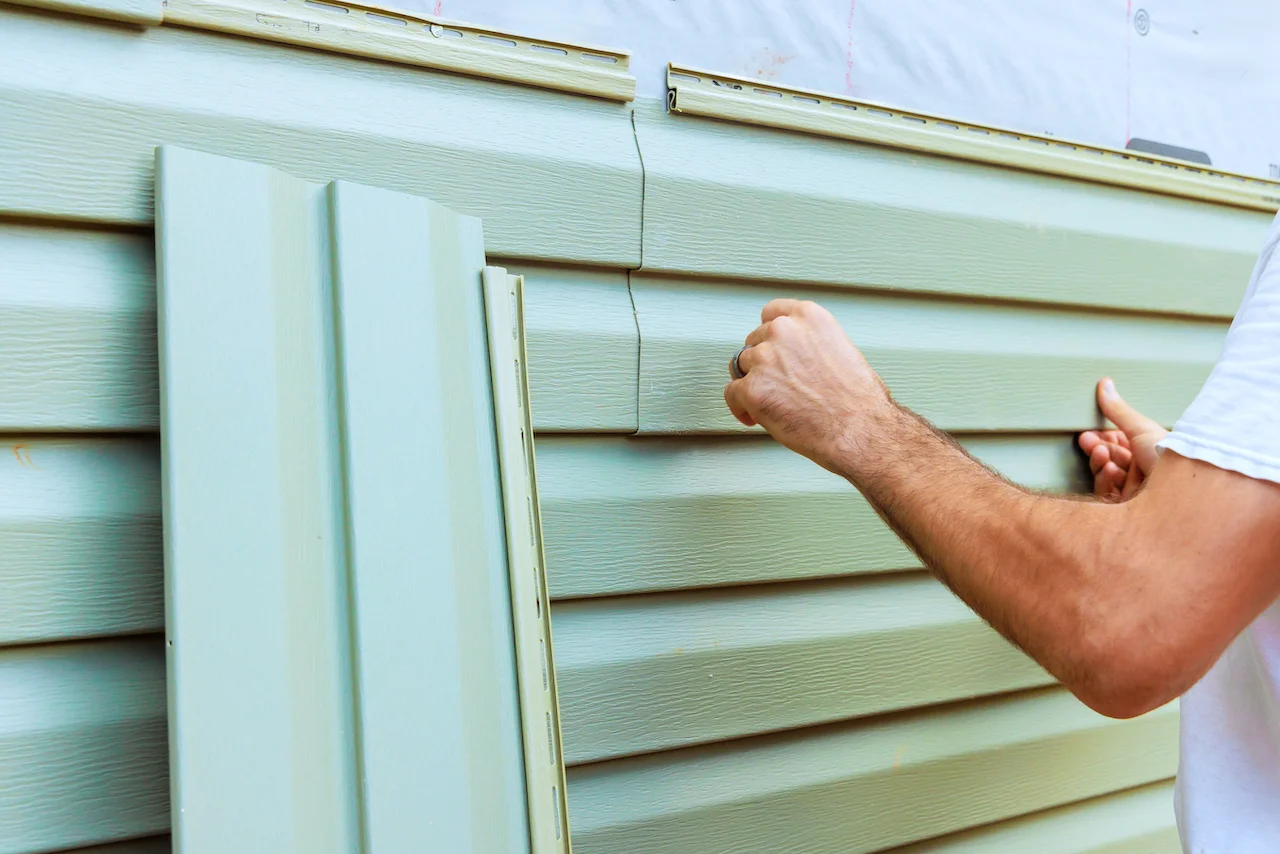
Siding Repair vs Replacement by Material
The right solution can also depend on the type of siding installed on your home.
Vinyl Siding
Vinyl siding can often be repaired by replacing individual damaged panels when the surrounding siding remains in good condition.
AAA installs vinyl siding from manufacturers such as ProVia and describes it as a low-maintenance option available in numerous colors and styles.
However, older vinyl siding may be difficult to match, particularly if the original color has faded.
Wood Siding
Wood siding can sometimes be repaired when damage is limited. However, rot, insect damage, repeated moisture exposure, or widespread deterioration may require more extensive work.
The important consideration is whether the remaining wood is still structurally sound.
Fiber Cement Siding
Fiber cement siding is another option for homeowners considering replacement.
For homeowners whose existing siding has reached the point where frequent repairs are no longer practical, changing materials may be part of the replacement conversation.
AAA’s article on the benefits of James Hardie fiber cement siding provides additional information about this option.
Engineered Wood Siding
Engineered wood siding can provide a wood-inspired appearance while offering different maintenance and performance characteristics than traditional wood.
If you’re comparing replacement materials, AAA’s guide to engineered wood siding vs. fiber cement explains some of the differences homeowners should consider.
Does Your Siding Need Repair or Replacement After a Storm?
Kansas City-area homes can experience severe weather, including strong winds, hail, and heavy precipitation. After a storm, inspect your siding for obvious damage.
Look for:
- Cracked or punctured panels
- Missing pieces
- Dents
- Loose sections
- Broken trim
- Water intrusion
- Damage around windows and doors
If damage is limited, siding repair may be sufficient.
If the storm has damaged large portions of the exterior, replacement may be more appropriate.
Do not assume that damage visible from the ground tells the entire story. A professional inspection can identify issues that are difficult to see from outside.
What Happens During a Siding Replacement?
When siding replacement is necessary, the project involves more than simply putting new panels over old ones.
Depending on the condition of the home, replacement can provide an opportunity to inspect areas that have been hidden behind the existing siding.
This matters because the exterior cladding is only one part of the wall system.
The U.S. Department of Energy explains that a water-resistive barrier and appropriate flashing help manage water that gets past exterior cladding and direct it away from wall cavities.
Does Replacing Siding Improve the Look of Your Home?
Yes, one of the most noticeable benefits of siding replacement can be an updated exterior appearance.
New siding allows you to reconsider:
- Color
- Profile
- Texture
- Trim
- Accent areas
- Architectural details
You don’t necessarily need to make dramatic changes.
A new siding color can refresh an older home, while a combination of horizontal and vertical siding can highlight architectural features.
Siding Repair vs Replacement: Questions to Ask Before Deciding
Before committing to either option, ask a siding professional:
- How extensive is the damage?
- Is the damage isolated or widespread?
- Is there moisture behind the siding?
- Is the substrate still sound?
- Can the existing siding be matched?
- How frequently has the siding needed repairs?
- How old is the current siding?
- Would repairing one area create a noticeable mismatch?
- Would replacement address an underlying problem?
- What siding material makes sense for the home’s long-term needs?
These questions can help you make a decision based on the actual condition of your home rather than assuming that every damaged panel requires replacement.
How AAA Siding & Remodeling Can Help
Choosing between siding repair vs replacement doesn’t have to be a guess.
AAA Siding & Remodeling has served Kansas City-area homeowners since 1998 and provides both siding repair and replacement services. The company installs multiple siding options, including vinyl, wood, and James Hardie fiber cement siding.
The goal is to find the appropriate solution for the condition of your home.
If the problem is localized and the existing siding is performing well, a targeted repair may be enough. If deterioration is widespread, moisture has affected the wall system, or the siding is repeatedly failing, replacement may be worth considering.
Final Thoughts on Siding Repair vs Replacement
When deciding between siding repair vs replacement, don’t base the decision on one cracked panel, a little fading, or the age of your siding alone. Look at the condition of the entire exterior, the extent of the damage, the possibility of moisture behind the siding, how often repairs are needed, and whether the existing material can still provide the performance and appearance you want.
Localized siding damage may be repairable, while widespread deterioration, recurring moisture problems, rot, warping, and repeated repairs may point toward siding replacement. A professional evaluation can help you understand what is happening beneath the surface and determine which option makes sense for your home.
If you’re still unsure whether you should repair or replace siding, contact AAA Siding & Remodeling or call 816-421-5433 to schedule a consultation and discuss your options.
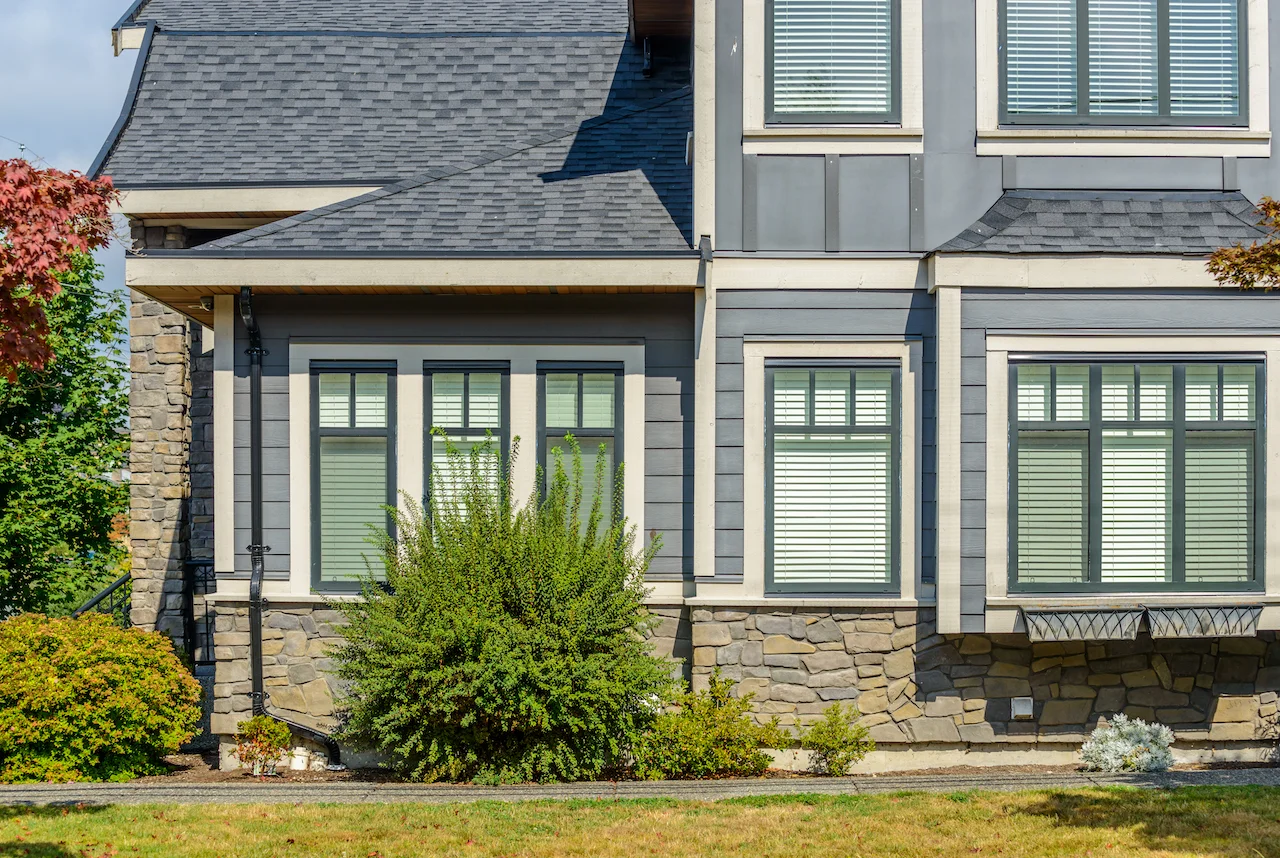
FAQ About Siding Repair vs Replacement
How do I know if I need siding repair or replacement?
The main factors are the extent of the damage, the age and condition of the siding, and whether there are problems behind the exterior. Siding repair may make sense when damage is isolated, while siding replacement may be appropriate when deterioration is widespread or recurring.
What are the signs you need new siding?
Common signs you need new siding include widespread cracking, warping, buckling, bubbling, rot, moisture damage, loose or missing sections, extensive fading, pest damage, and frequent repairs. These signs do not automatically mean the entire exterior must be replaced, so a professional assessment can help determine the cause and extent of the problem.
Can damaged siding be repaired instead of replaced?
Yes. Damaged siding can often be repaired when the problem is limited to a small area and the surrounding siding remains in good condition. Matching the existing material can sometimes be challenging, especially when the siding is older or has faded.
Is it cheaper to repair or replace siding?
The cost depends on the extent of the siding damage, the material, the location of the problem, and whether there is damage beneath the siding. A localized repair generally involves less material and labor than a complete replacement, but repeatedly repairing widespread problems may not be the most practical long-term approach.
How long does siding repair last?
The longevity of a siding repair depends on the siding material, the quality of the repair, the cause of the original damage, and the condition of the surrounding siding. If the underlying cause is not addressed, the same problem may return.
Can you replace just one section of siding?
In many cases, yes. Individual panels, boards, or sections can potentially be replaced when the damage is localized. However, the replacement material needs to be compatible with the existing siding, and color or texture differences may be visible.
Does water damage mean I need to replace all my siding?
Not necessarily. Water damage may be limited to a specific area and could potentially be repaired. However, if moisture has affected large portions of the wall system or the siding is repeatedly allowing water intrusion, broader siding replacement may be appropriate.
Related Topics
- How to Remove Green Algae From Vinyl Siding
- Engineered Wood Siding vs. Fiber Cement
- The Benefits of Installing James Hardie Fiber Cement Siding