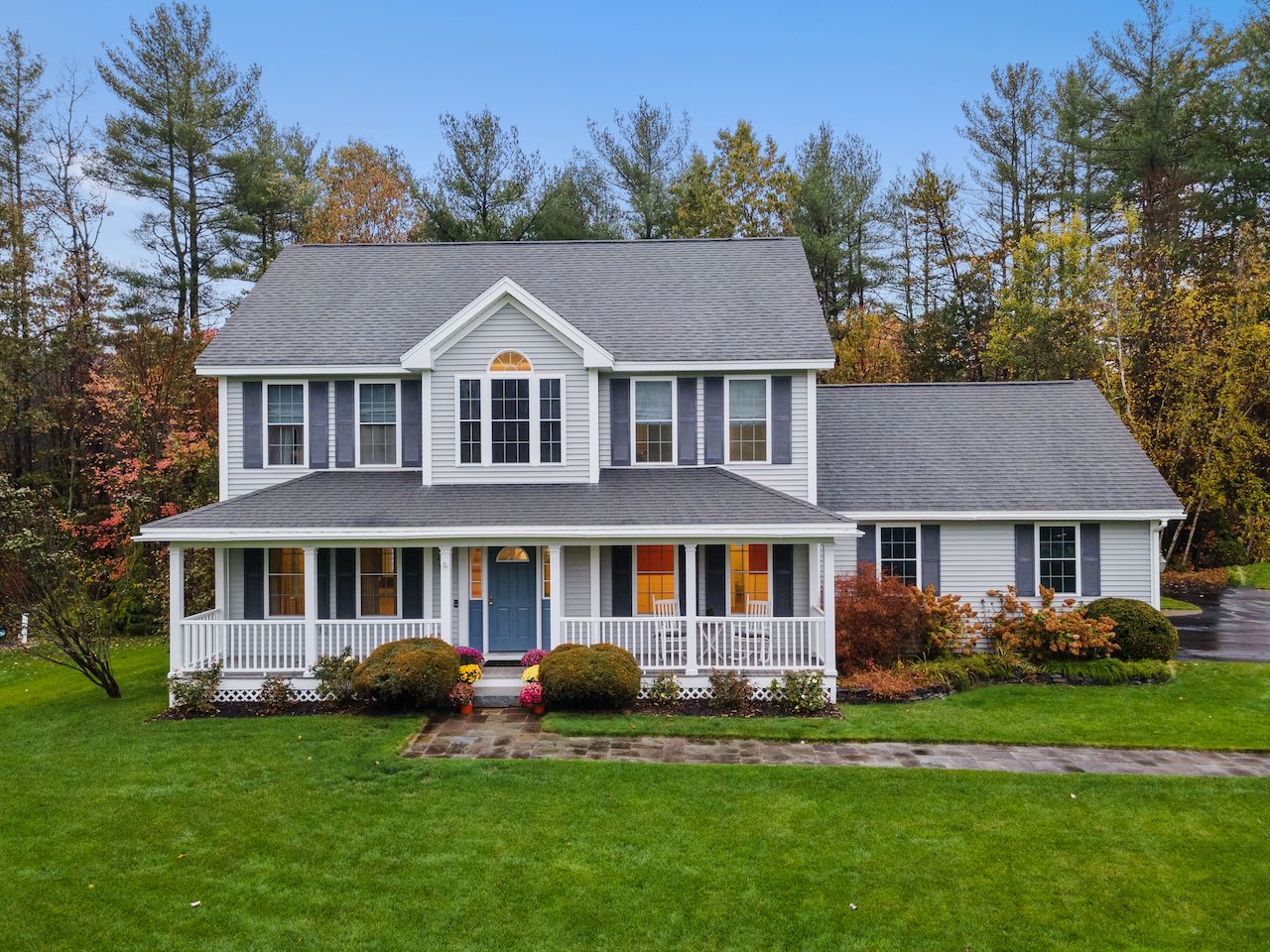
Green streaks and patches can make even well-maintained siding look dirty and neglected. If you are wondering how to remove green algae from vinyl siding, the good news is that most light algae growth can be cleaned without replacing your siding.
The key is using a gentle cleaning method that removes the buildup without scratching, warping, or otherwise damaging the vinyl.
For homeowners who need help with stubborn stains or aging siding, contact AAA Siding & Remodeling or call 816-421-5433 to discuss your home’s exterior with a professional.
What Causes Green Algae on Vinyl Siding?
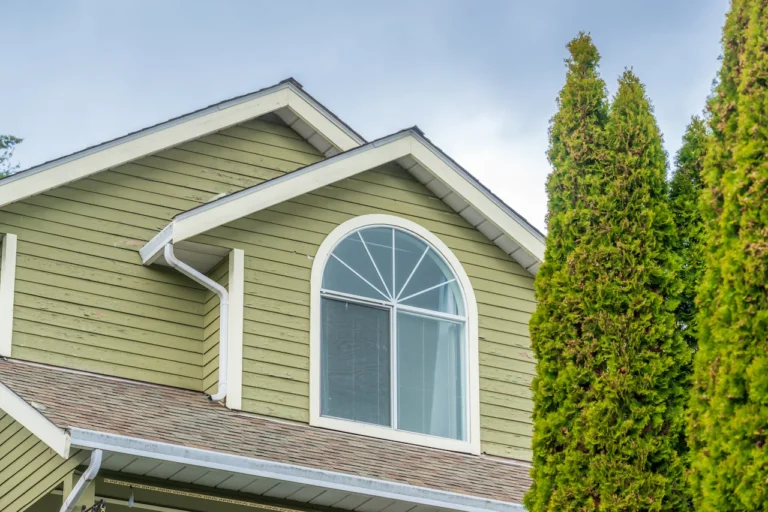
Green algae on vinyl siding is usually associated with moisture and conditions that allow organic growth to remain on the surface. Areas that stay damp for long periods, receive limited sunlight, or are exposed to runoff can be more likely to develop green discoloration.
Algae may appear as:
- Green streaks running down individual siding panels
- Small green spots or patches
- A thin film across larger sections of siding
- Darker green or brownish stains that develop over time
Homes surrounded by trees may also see more organic debris collect on the siding. Leaves, pollen, dirt, and other material can hold moisture against the surface, creating conditions where algae and other organic growth can become more noticeable.
Algae is primarily an appearance and maintenance concern, but persistent moisture deserves attention. The U.S. Environmental Protection Agency emphasizes that moisture control is an important part of preventing mold growth and recommends addressing water problems rather than simply cleaning the visible growth.
If you are already dealing with significant exterior buildup, AAA’s guide on how to clean siding for every material is another useful resource.
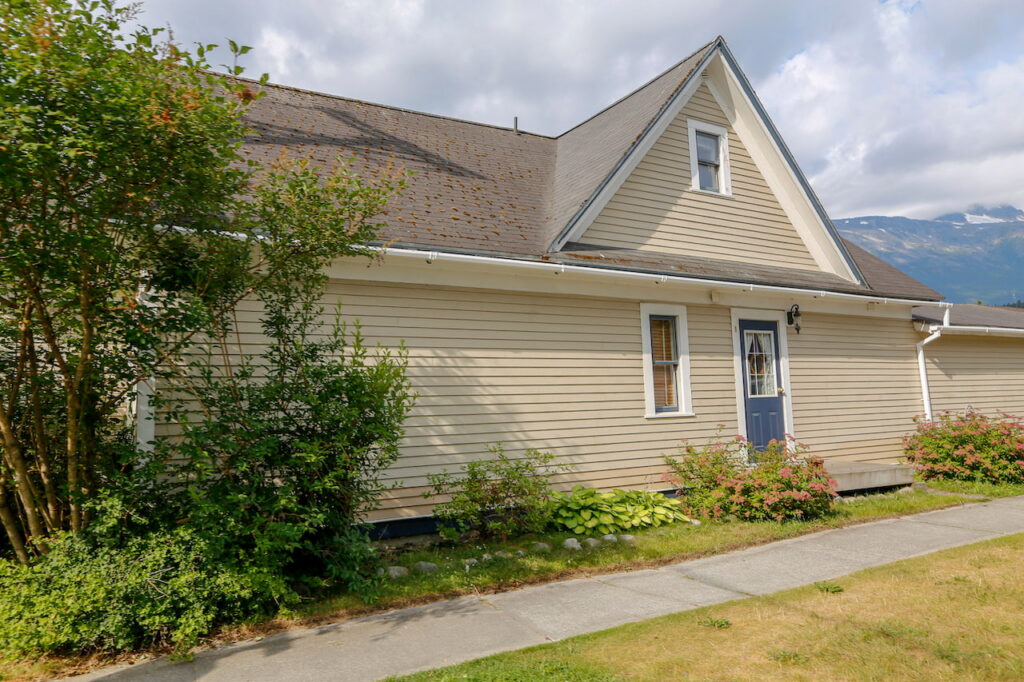
How to Remove Green Algae From Vinyl Siding
For light to moderate buildup, you can usually start with a simple cleaning approach. The goal of vinyl siding algae removal is to loosen the growth and rinse it away without relying on unnecessarily aggressive chemicals or tools.
1. Choose a Mild Cleaning Solution
Start with a bucket of water and a mild household detergent or a cleaner specifically labeled for vinyl siding. Follow the product manufacturer’s instructions if you use a commercial siding cleaner.
Avoid automatically reaching for the strongest chemical available. A stronger product is not necessarily better, and improper use can damage nearby landscaping, windows, trim, or other exterior materials.
If you are dealing with suspected mold rather than simple algae, review the EPA’s basic mold cleanup guidance before beginning.
2. Protect Nearby Plants and Exterior Features
Before you remove algae from vinyl siding, protect landscaping, outdoor furniture, decorations, and other items near the work area.
Move objects away from the wall when possible. Cover or thoroughly wet plants if appropriate for the cleaning product being used, and keep cleaning solutions away from electrical components and openings.
Also close windows and doors before rinsing the siding.
3. Rinse the Siding With a Garden Hose
A garden hose can remove loose dirt and debris before you begin scrubbing.
Work from the top of the siding downward so dirty water does not run over areas you have already cleaned. Use a steady stream rather than an unnecessarily forceful spray.
This first rinse can also help you determine how extensive the buildup is. Light algae stains on siding may begin disappearing before you even apply a cleaning solution.
4. Apply the Cleaning Solution
Apply your mild cleaning solution to a manageable section of siding. Working in smaller areas makes it easier to prevent the cleaner from drying on the surface.
For textured vinyl siding, give the solution enough time to loosen surface buildup, but follow the cleaner’s label instructions rather than allowing it to sit indefinitely.
5. Gently Scrub the Green Algae
Use a soft-bristled brush or non-abrasive cleaning pad to gently scrub the affected area.
Avoid aggressive scraping. Vinyl siding can be damaged by abrasive tools, and scratching the finish may leave the surface looking worse than the original algae.
When you clean algae off vinyl siding, use overlapping strokes and pay attention to the lower edges and grooves of the siding panels where dirt and organic material can collect.
6. Rinse Thoroughly
Once you have cleaned the section, rinse it thoroughly with clean water.
Again, start at the top and work downward. Make sure the cleaning solution and loosened algae are completely washed away.
If green discoloration remains, you may need to repeat the process rather than immediately switching to a much harsher chemical.
7. Let the Siding Dry and Inspect It
Allow the siding to dry completely before deciding whether another cleaning is necessary.
Some discoloration may be staining rather than active surface growth. If the siding remains stained after careful cleaning, repeated scrubbing may do more harm than good.
At that point, consider whether the siding itself is showing signs of age or damage.
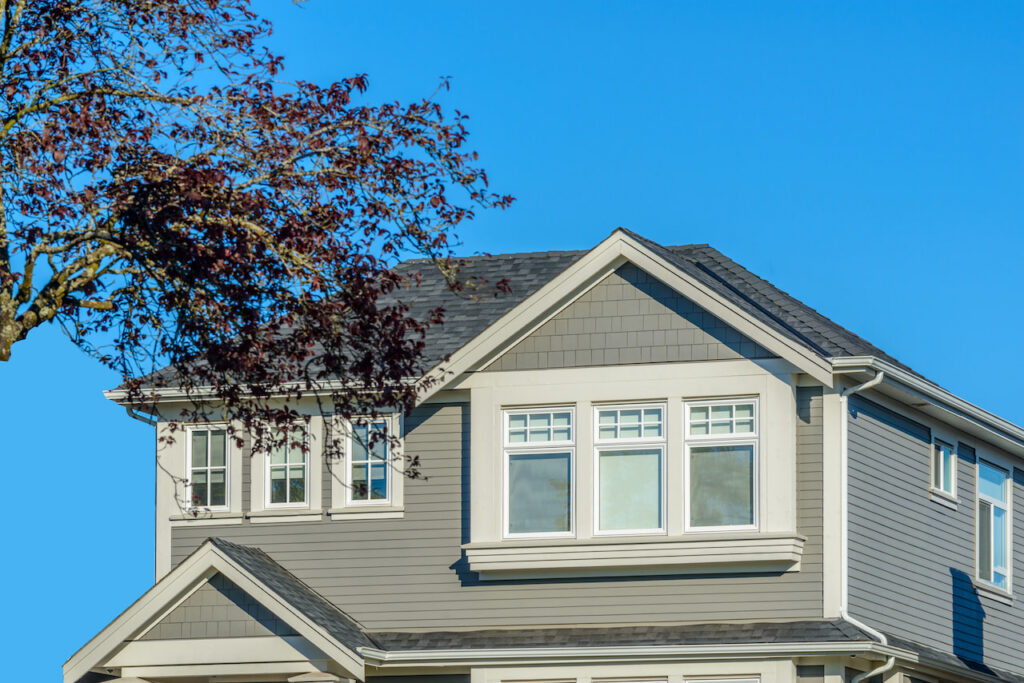
How to Clean Vinyl Siding Without Damaging It
Knowing how to clean vinyl siding is just as important as knowing which product to use. Vinyl is designed to be relatively low maintenance, but improper cleaning techniques can still cause problems.
Keep these guidelines in mind:
- Use soft brushes instead of abrasive tools.
- Start with the gentlest effective cleaning method.
- Test a cleaning solution on a small, inconspicuous area first.
- Follow the cleaner manufacturer’s directions.
- Rinse cleaning solutions completely.
- Work from the top down.
- Do not let cleaning solutions dry on the siding.
- Protect nearby landscaping and exterior fixtures.
- Avoid unnecessary pressure or aggressive scrubbing.
If you are considering a pressure washer, use caution. Excessive pressure or an improper spray angle can force water behind siding panels or damage the surface.
Can You Use Bleach to Remove Green Algae From Vinyl Siding?
Bleach is sometimes recommended for exterior algae, mold, and mildew stains, but homeowners should not assume that stronger is always safer or more effective.
For ordinary green algae on vinyl siding, it makes sense to begin with a gentler approach and follow the instructions for whichever product you choose.
If you do use a product containing bleach, carefully follow its label directions and take precautions to protect plants, people, pets, windows, gutters, and other exterior materials.
When in doubt, professional help is a safer choice than experimenting with increasingly aggressive cleaning chemicals.
How to Remove Green Algae From Vinyl Siding With a Pressure Washer
Pressure washing can make exterior cleaning faster, but more pressure is not necessarily better.
Vinyl siding is installed in overlapping panels, and water can potentially get behind siding when it is sprayed improperly. For that reason, homeowners should avoid concentrating a high-pressure stream directly into seams, edges, vents, or openings.
If you use a pressure washer:
- Follow the siding and pressure washer manufacturer’s recommendations.
- Begin with the lowest effective pressure.
- Keep the nozzle at an appropriate distance from the siding.
- Avoid spraying upward underneath siding panels.
- Keep the spray moving instead of concentrating it in one location.
- Rinse thoroughly afterward.
For extensive growth, difficult-to-reach areas, or multi-story homes, professional cleaning may be a better option.
How to Prevent Algae Stains on Siding
Cleaning your siding once is helpful, but preventing conditions that encourage recurring growth is even better.
To help reduce future algae stains on siding:
Keep Gutters and Downspouts Working Properly
Overflowing gutters can send water down the face of your siding. Keep gutters clear and make sure downspouts direct water away from the house.
Trim Vegetation Near the Home
Trees and shrubs that remain close to the siding can reduce airflow and limit sunlight. Keeping vegetation properly trimmed can help exterior surfaces dry more efficiently.
Watch for Water Problems
Persistent wet spots may indicate a drainage, gutter, roof, flashing, or other exterior issue. If one section of siding repeatedly develops algae while surrounding areas remain relatively clean, look for the source of the moisture.
Clean Siding Regularly
You do not have to wait until your siding is covered in green growth. Periodic cleaning can remove dirt, pollen, and organic debris before it becomes more difficult to clean.
When Should You Replace Vinyl Siding Instead of Cleaning It?
Cleaning can improve the appearance of siding, but it cannot fix siding that is damaged, warped, cracked, or failing.
If you have repeatedly tried to remove algae from vinyl siding and the same areas continue to develop heavy discoloration, consider whether moisture is getting behind the siding or whether the siding system is reaching the end of its useful life.
Signs that it may be time to have your siding professionally evaluated include:
- Cracked or broken panels
- Warped or buckled siding
- Loose panels
- Significant fading or deterioration
- Repeated moisture problems
- Staining that does not improve with appropriate cleaning
- Multiple areas showing damage or excessive wear
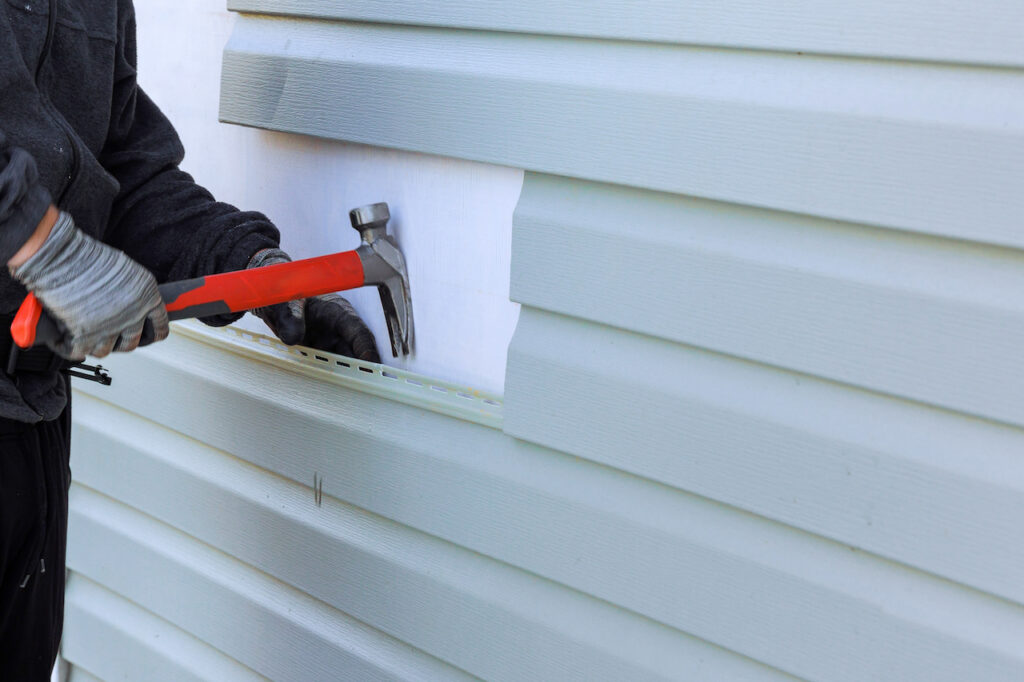
Should You Repair or Replace Siding With Persistent Algae?
Persistent algae does not automatically mean that your siding needs to be replaced. In many cases, the underlying issue is simply that a section of the exterior stays damp.
Before replacing anything, inspect the area for obvious moisture sources. Check nearby gutters, downspouts, landscaping, roof runoff, hose bibs, and other sources of recurring water.
If the siding itself is damaged, however, cleaning will only address the appearance temporarily. Professional evaluation can help determine whether a localized siding repair is appropriate or whether a larger siding replacement project makes more sense.
Keep Your Vinyl Siding Looking Its Best
Learning how to remove green algae from vinyl siding can help restore your home’s curb appeal without immediately turning to siding replacement.
For light buildup, a mild cleaning solution, soft brush, and thorough rinse are often a good place to start. Just remember that recurring algae can be a sign of excess moisture, so identifying the cause is an important part of long-term exterior maintenance.
When cleaning is no longer enough, damaged or aging siding may need professional attention. AAA Siding & Remodeling has served homeowners throughout the Kansas City metro area since 1998 and provides vinyl siding installation and replacement along with other exterior remodeling services.
If you need help evaluating your siding, contact AAA Siding & Remodeling online or call 816-421-5433 to schedule a consultation.
Frequently Asked Questions About Vinyl Siding Algae
How often should I clean green algae from vinyl siding?
There is no universal schedule because algae growth depends on moisture, shade, landscaping, weather, and the home’s surroundings. Inspect your siding periodically and clean visible buildup before it becomes extensive.
What is the best way to remove green algae from vinyl siding?
For light growth, begin with water and a mild cleaning solution and gently scrub with a soft brush. Rinse thoroughly afterward. Avoid abrasive tools and excessive pressure.
Can green algae damage vinyl siding?
Algae is generally a surface appearance issue, but recurring growth can signal persistent moisture. If an area repeatedly becomes wet or stained, investigate the underlying cause instead of repeatedly cleaning the same spot.
Will pressure washing remove green algae from vinyl siding?
Pressure washing can remove surface buildup, but it must be done carefully. Excessive pressure or spraying underneath siding panels can cause damage or force water where it does not belong.
Why does algae keep coming back after I clean my siding?
Recurring growth is often related to moisture, shade, limited airflow, or runoff. Look for clogged gutters, overflowing downspouts, nearby vegetation, or another source that keeps the siding damp.
Should I replace my siding if cleaning does not remove the stains?
Not necessarily. Some stains may remain even after the growth has been removed. However, cracked, warped, loose, or extensively deteriorated siding should be professionally evaluated.