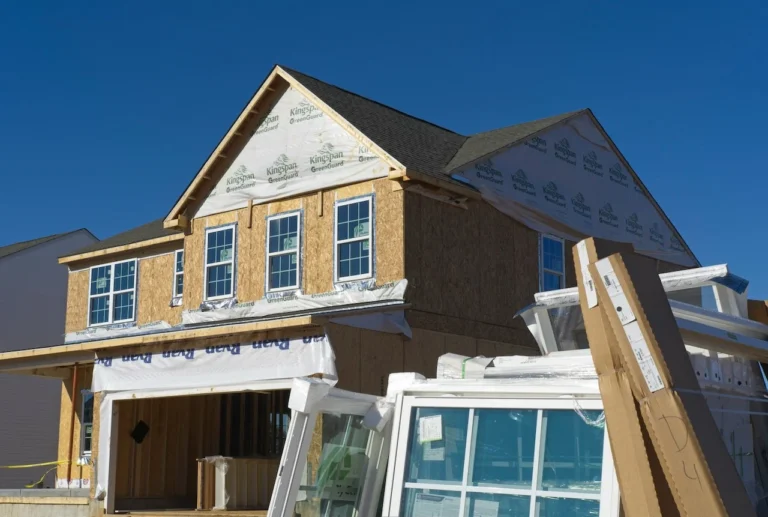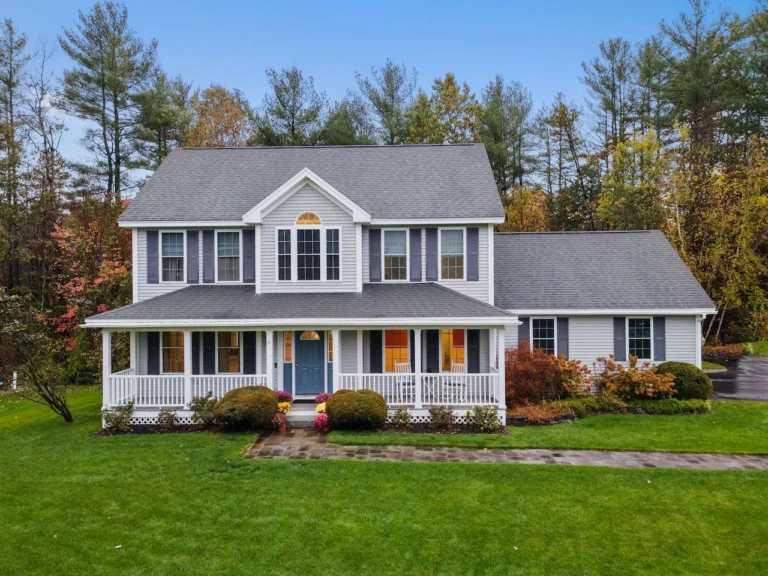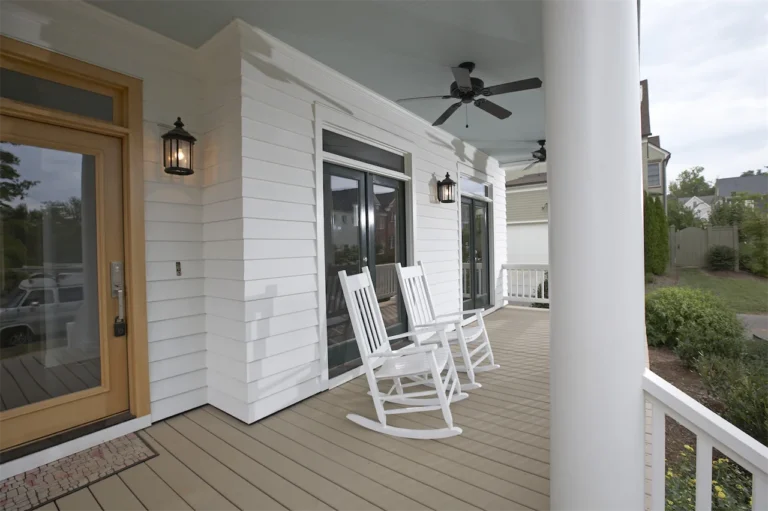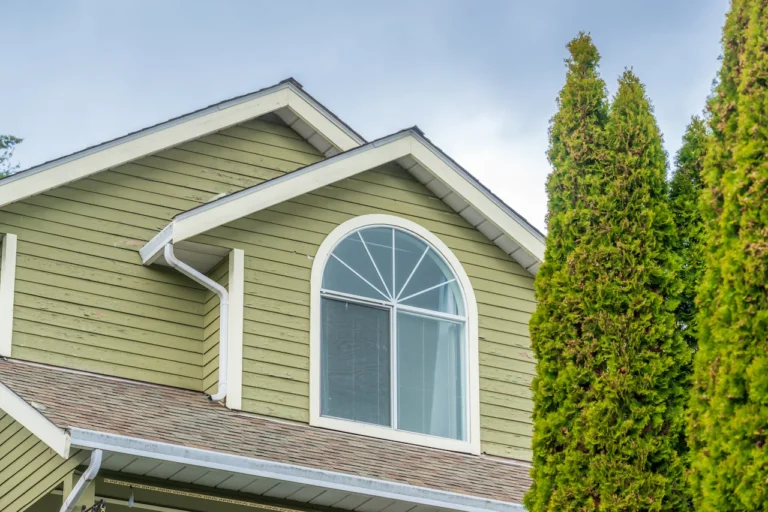
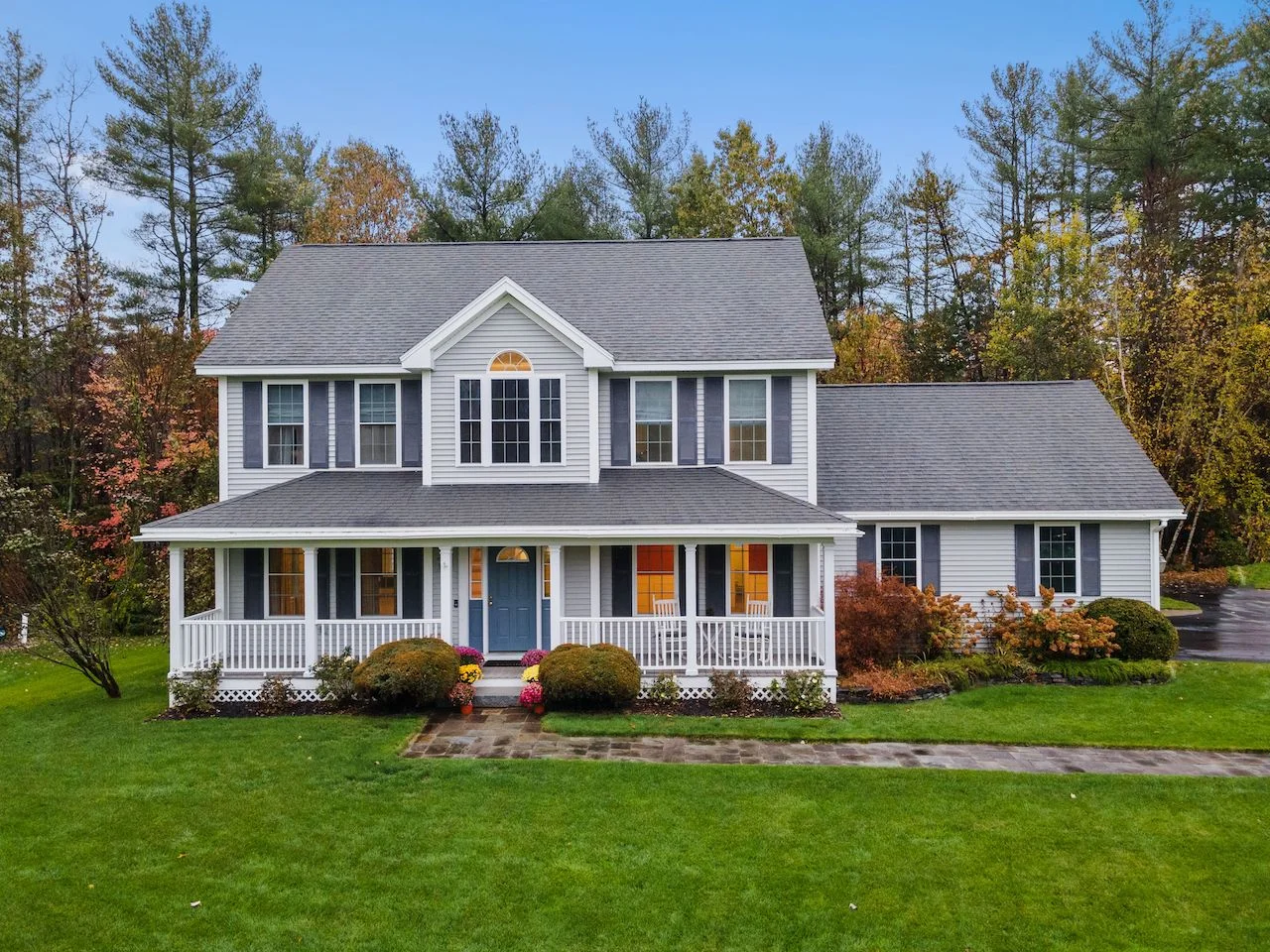
Choosing the best siding styles for a Colonial home means finding an exterior that enhances the architecture rather than competing with it. Colonial homes are known for balanced proportions, symmetrical windows, centered entrances, shutters, and traditional details, so the right siding should reinforce that timeless character while providing the durability and performance homeowners expect today.
If you’re considering new siding for your Colonial home, AAA Siding & Remodeling can help you compare materials, profiles, and colors for your home—Contact AAA Siding & Remodeling at 816-421-5433 to get started.
What Makes the Best Siding Styles for a Colonial Home?
Before choosing a siding material or color, it helps to understand what makes Colonial architecture distinctive. Traditional Colonial homes generally emphasize symmetry and simple, balanced exterior details. Modern Colonial homes may incorporate updated materials and colors, but the underlying architectural character often remains.
James Hardie’s Colonial design guidance similarly recommends classic horizontal lap siding, traditional colors, and symmetrical layouts for homeowners who want to preserve a Colonial home’s character.
When evaluating siding styles for Colonial homes, consider:
- The home’s overall symmetry and proportions
- Existing brick, stone, or masonry
- Roof color and style
- Window and door trim
- Shutters and other architectural details
- The surrounding neighborhood
- The siding material’s maintenance requirements
- Your desired balance between traditional and contemporary design
The goal is not necessarily to make your home look historically exact. Instead, the strongest Colonial home siding designs use modern siding products to maintain the visual qualities that make Colonial architecture recognizable.
Best Siding Styles for a Colonial Home
There is no single siding profile that works for every Colonial. However, some styles consistently complement the architecture better than others.
1. Horizontal Lap Siding for a Classic Colonial Look
Horizontal lap siding is one of the safest and most timeless choices for Colonial architecture. The long, horizontal lines complement the rectangular proportions of many Colonial homes without distracting from symmetrical windows, shutters, and centered entrances.
Traditional Colonial homes commonly used wood clapboards, making horizontal siding a natural visual fit. Today, homeowners can recreate that appearance with modern materials that require different levels of maintenance than traditional wood.
Horizontal lap siding works particularly well when paired with:
- Crisp white or cream trim
- Black, navy, or dark green shutters
- A contrasting front door
- Traditional landscaping
- Brick or stone foundations
For homeowners searching for Colonial siding ideas, horizontal lap siding is a good starting point because it provides a traditional appearance without making the exterior feel dated.
2. Board and Batten Siding as an Accent
Board and batten siding has strong vertical lines, which can create contrast against a Colonial home’s predominantly horizontal exterior. Because of that, it is usually more effective as an accent than as the only siding style.
For example, board and batten siding can be used on:
- Front-facing gables
- Dormers
- Entry areas
- Garage projections
- Upper-level sections
- Small architectural sections
Used carefully, board and batten siding can make an exterior feel more updated while still respecting traditional architecture.
The key is restraint. Covering every wall with vertical siding can change the visual proportions of a traditional Colonial. Using it selectively allows the vertical lines to highlight architectural features without overwhelming the home.
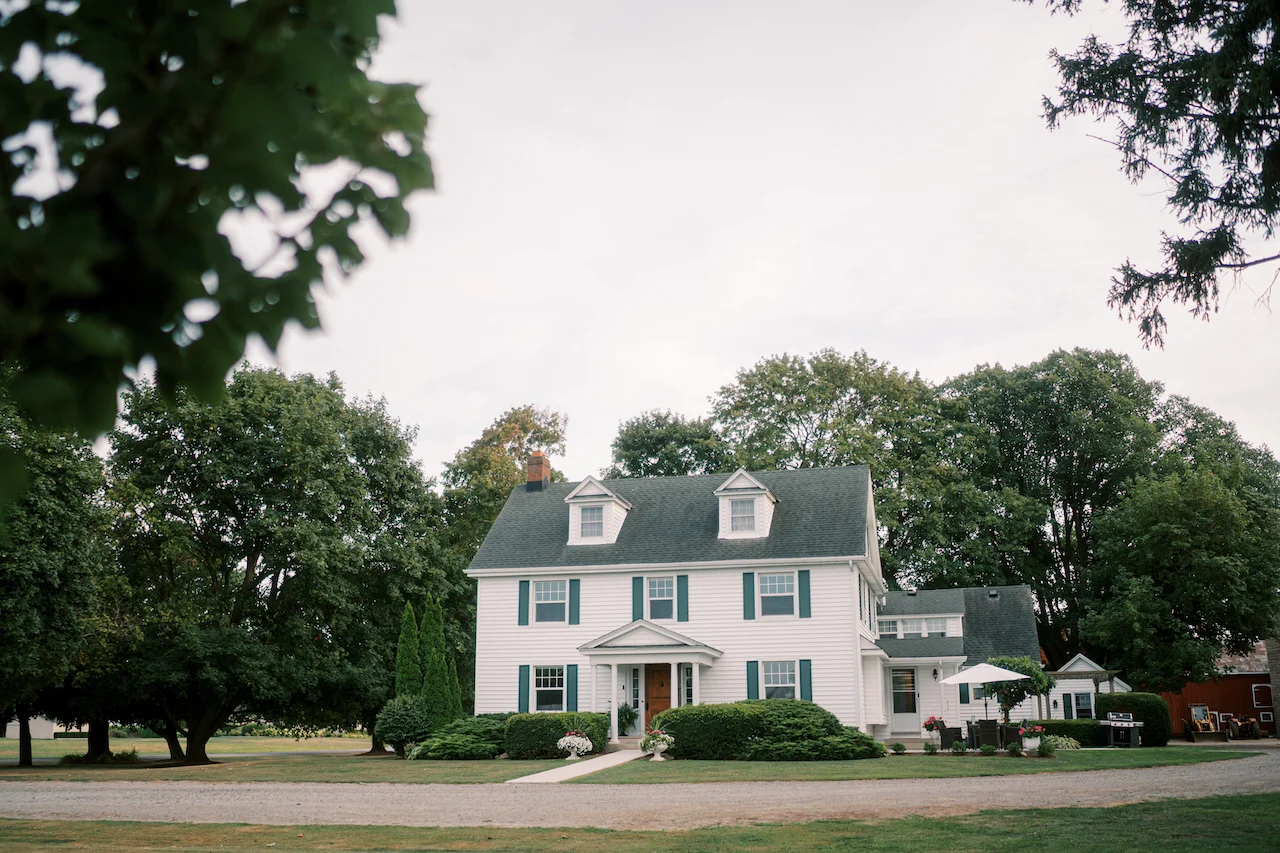
Colonial Home Siding Materials: Which Is Best?
Siding style and siding material are two different decisions. A homeowner might choose horizontal lap siding, for example, and then decide between fiber cement, vinyl, engineered wood, or another material.
Fiber Cement Siding for a Colonial Home
Fiber cement siding is a strong option for homeowners who want a traditional appearance with modern performance characteristics. It can be manufactured in profiles that replicate the look of traditional wood siding, including horizontal lap styles.
AAA Siding & Remodeling offers James Hardie fiber cement siding and is the first James Hardie Elite Preferred Contractor in Missouri and Kansas.
Fiber cement siding can be particularly appealing for a Colonial house exterior because it provides design flexibility. Homeowners can choose a traditional lap profile while experimenting with colors and trim combinations.
It can also be combined with other exterior details, such as:
- White trim around windows and doors
- Dark shutters
- Contrasting gables
- Brick foundations
- Stone accents
- A bold front door
If you are comparing materials, AAA’s guide to engineered wood siding vs. fiber cement provides another useful comparison.
Vinyl Siding for a Colonial Home
Vinyl siding is another versatile option for Colonial homes. Modern vinyl siding is available in numerous colors, profiles, textures, and finishes, allowing homeowners to create either a traditional or updated exterior.
One advantage of vinyl siding is the variety of styles available. Horizontal profiles can provide the classic appearance associated with Colonial architecture, while complementary accents can add dimension.
For homeowners concerned about upkeep, it is also important to consider how the siding will be maintained over time. AAA’s guide on how to clean siding for every material provides additional maintenance information.
Engineered Wood Siding
Engineered wood siding can provide the visual warmth associated with traditional wood while offering another modern siding option.
It may work well for homeowners who want their Colonial home to retain a natural, traditional appearance while incorporating a contemporary siding product.
AAA has also published a guide explaining whether engineered wood siding is right for your home.
The best material ultimately depends on your home’s existing exterior, budget, maintenance preferences, and desired appearance.
Best Siding Colors for a Colonial Home
Choosing the right color is just as important as choosing the right profile. Traditional siding colors for Colonial homes tend to be timeless rather than extremely trendy, although modern Colonial designs can support bolder choices.
Popular options include:
- White
- Cream
- Soft gray
- Blue-gray
- Navy
- Muted green
- Taupe
- Beige
- Deep red
- Charcoal
White remains a classic choice because it creates strong contrast with shutters, roofing, landscaping, and darker doors.
Soft gray and blue-gray can provide a slightly more contemporary interpretation while preserving the home’s traditional appearance. Deep green, navy, and muted red can also work well when used thoughtfully.
AAA’s existing guide to James Hardie siding colors discusses color families including white, gray, green, blue, earth tones, and bolder shades. The guide specifically identifies Boothbay Blue as an option that can work well with Colonial homes.
How to Choose Siding Colors for Colonial Homes
When comparing siding colors for Colonial homes, don’t choose the siding color in isolation. Look at the materials that will remain on the house.
Consider:
- Roof color: A new siding color should coordinate with the existing roof unless you’re replacing both.
- Brick and stone: Warm brick may pair better with cream, beige, taupe, or muted green than with a cool gray.
- Windows: Window frames can influence whether a siding color feels warm or cool.
- Trim: White trim provides classic contrast, while cream or darker trim creates a softer appearance.
- Front door: A Colonial exterior can accommodate a more expressive front-door color without making the entire house feel overwhelming.
It is also worth looking at large samples outside. A color that looks perfect on a small computer screen can appear significantly different in direct sunlight, shade, or overcast conditions.
Colonial Siding Ideas for a Traditional Exterior
If you want a traditional Colonial house exterior, simplicity is usually your friend. Rather than combining numerous colors and materials, focus on proportion and contrast.
Here are several Colonial siding ideas to consider:
Classic White Colonial
Pair white or cream horizontal lap siding with bright white trim and black shutters. A dark front door provides contrast without changing the home’s traditional appearance.
Blue-Gray Colonial
Blue-gray siding with white trim offers a softer interpretation of the classic Colonial palette. It can give the home more personality while maintaining a traditional appearance.
Dark Colonial
Deep navy, charcoal, or dark green siding can create a dramatic exterior. Use crisp trim and carefully selected architectural accents to keep the design from feeling too heavy.
Two-Tone Colonial
Use one primary siding color throughout most of the exterior and a complementary shade on a gable or other architectural feature. This is an effective way to introduce contrast without making the exterior look overly busy.
Colonial With Brick Accents
If your home already has brick around the foundation, porch, chimney, or entry, select siding that complements the brick’s undertones. The siding does not have to match the brick; it simply needs to work with it.
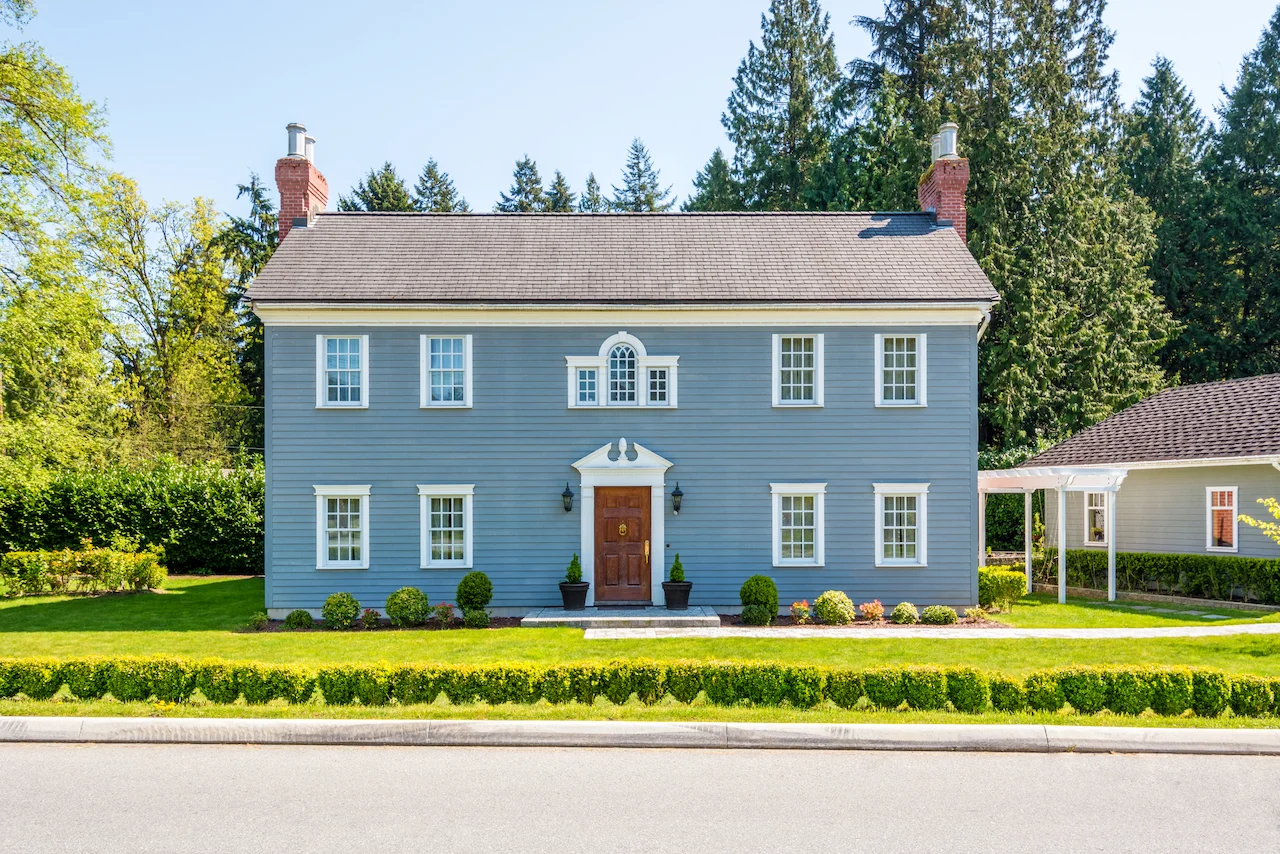
How to Combine Siding Styles for Colonial Homes
Mixing profiles can be effective when there is a clear reason for each material. Siding styles for Colonial homes should generally be used to emphasize architectural details rather than create random visual changes.
A common combination is horizontal lap siding across the main walls with board and batten siding on a front-facing gable.
Shingle-style siding can also be used selectively around dormers or other smaller sections. The important thing is to establish a hierarchy: one profile should remain the primary siding style while the secondary profile acts as an accent.
When choosing between several siding styles for Colonial homes, ask whether each change highlights something meaningful about the architecture. If a siding transition does not serve a visual purpose, simplifying the design may produce a stronger result.
What to Consider Before Replacing Colonial Home Siding
A siding replacement project is about more than appearance. Before selecting your new Colonial home siding, have the existing exterior evaluated.
Look for:
- Cracked or warped siding
- Rot or deterioration
- Loose or missing sections
- Moisture-related damage
- Peeling paint
- Fading or discoloration
- Damaged trim
- Problems around windows and doors
If only a small portion of the siding is damaged, repair may be an option. When deterioration is widespread or the existing siding has reached the end of its useful life, replacement may make more sense.
Older Colonial homes also deserve additional consideration before renovation begins. If the home was built before 1978, renovation work that disturbs painted surfaces may involve lead-based paint considerations. The EPA recommends that homeowners hire lead-safe certified contractors for applicable renovation projects in pre-1978 homes.
How to Choose the Best Siding Styles for a Colonial Home
Ultimately, the best choice comes down to the relationship between your home’s architecture, siding material, color, and existing exterior features.
A useful decision-making process is:
- Start with the architecture. Identify the features that make your Colonial recognizable.
- Choose a primary siding profile. Horizontal lap siding is often the most traditional starting point.
- Select the material. Compare fiber cement siding, vinyl siding, and engineered wood based on appearance, maintenance, performance, and budget.
- Choose the color. Coordinate with your roof, brick, stone, windows, and landscaping.
- Add accents selectively. Board and batten siding or another profile can highlight gables and other focal points.
- Think long term. Choose a combination you will still appreciate years from now instead of relying entirely on a short-lived design trend.
Update Your Colonial Home With AAA Siding & Remodeling
The best siding styles for a Colonial home balance traditional architecture with modern performance and personal style. Horizontal lap siding remains a timeless choice, while board and batten siding and other profiles can be used strategically as accents. Fiber cement siding, vinyl siding, and engineered wood can each provide different combinations of appearance, maintenance, and performance.
Whether you want a classic white exterior, a refined blue-gray palette, or a more dramatic modern Colonial design, AAA Siding & Remodeling can help you compare siding materials and design options for your home. With more than 25 years serving the Kansas City metro and experience with James Hardie, vinyl, and engineered wood siding, our team can help you create an exterior that complements your home’s architecture and your long-term goals. Call AAA Siding & Remodeling at 816-421-5433 or contact us online to schedule a consultation and explore the best siding styles for a Colonial home.
FAQ: Siding Styles for Colonial Homes
What is the best siding style for a Colonial home?
Horizontal lap siding is one of the best siding styles for a Colonial home because its horizontal lines complement the balanced proportions and traditional appearance of Colonial architecture. Fiber cement siding, vinyl siding, and engineered wood can all be used to achieve this look.
Is board and batten siding good for a Colonial home?
Yes. Board and batten siding can work well on a Colonial home when used as an accent. It is especially effective on gables, dormers, entry areas, and upper-level sections where the vertical lines can add architectural contrast.
What are the best siding colors for Colonial homes?
Classic white, cream, soft gray, blue-gray, navy, muted green, beige, and taupe are popular siding colors for Colonial homes. The best choice depends on the roof, brick, stone, windows, trim, and other permanent exterior features.
Is fiber cement siding good for a Colonial house exterior?
Fiber cement siding can be an excellent choice for a Colonial house exterior because it is available in traditional profiles such as horizontal lap siding and can be coordinated with classic trim and color schemes.
Can you mix different siding styles on a Colonial home?
Yes. Mixing siding styles can add depth to Colonial home siding when each profile has a specific purpose. For example, horizontal lap siding can cover the main walls while board and batten siding highlights a front-facing gable.
Should Colonial homes have white siding?
White siding is a classic choice, but it is not the only option. Blue-gray, navy, green, cream, taupe, and other colors can complement Colonial architecture while providing a more personalized appearance.
How do I know if my Colonial home’s siding needs to be replaced?
Widespread cracking, warping, rot, moisture damage, persistent maintenance problems, and significant deterioration can indicate that replacement should be considered. A professional siding evaluation can help determine whether repair or replacement is more appropriate.
Related Topics