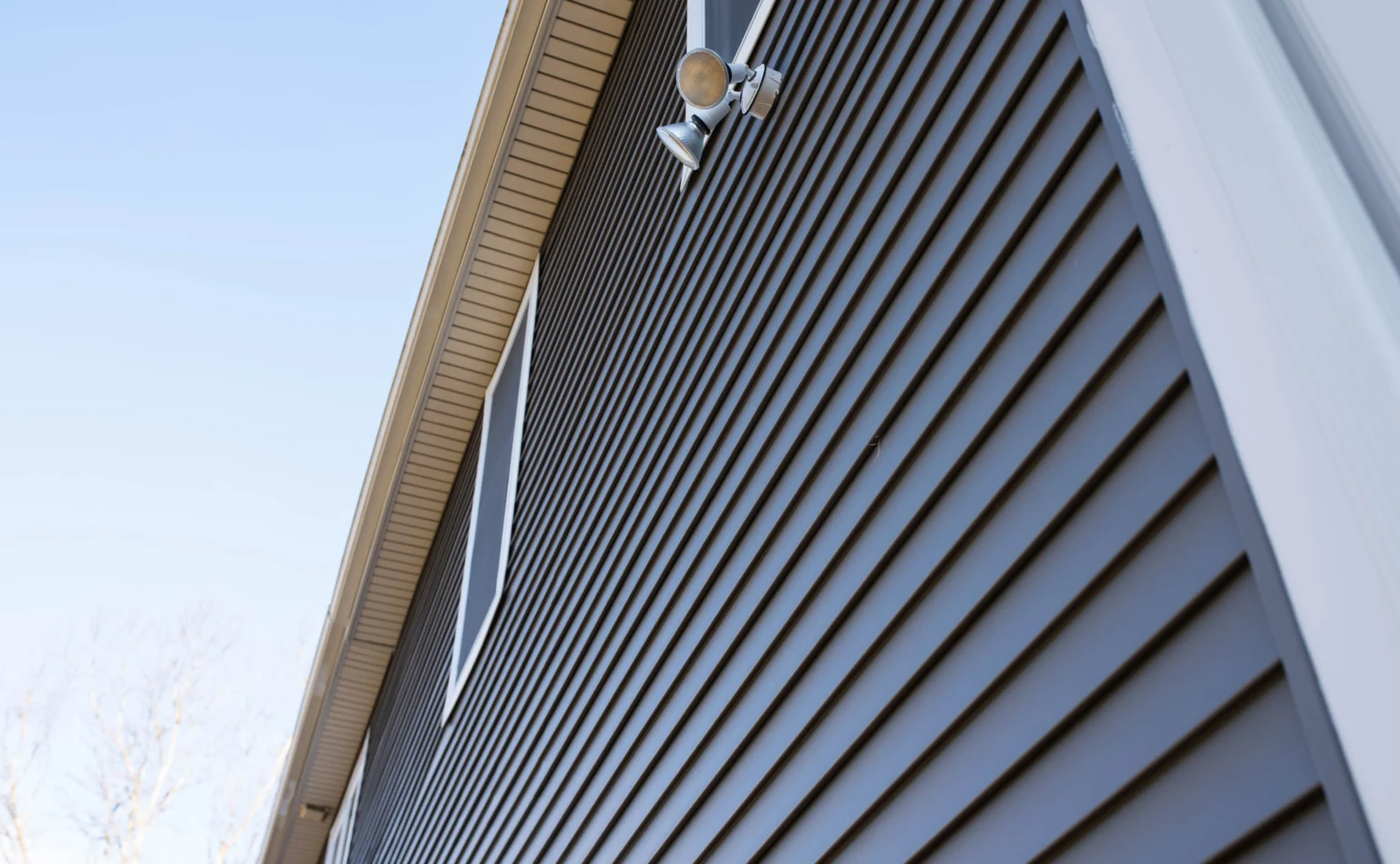
Wondering how to tell what kind of siding is on your home? Identifying your siding can help you understand how to maintain it, determine whether damage can be repaired, and make better decisions if you are considering an exterior upgrade.
Vinyl, wood, fiber cement, engineered wood, and other siding materials can look surprisingly similar from a distance, but their texture, thickness, installation patterns, and response to weather can provide important clues.
If you’re unsure what material covers your home or you’re considering siding replacement, AAA Siding & Remodeling can help you identify your existing siding and explore your options. Contact AAA Siding & Remodeling or call 816-421-5433 to get started.
What You’ll Learn About How to Tell What Kind of Siding Is on Your Home
Before getting into the details, here are the main things to look for when trying to identify your siding:
- The siding’s overall profile and installation pattern
- Whether the material feels flexible, rigid, or solid
- Texture and surface appearance
- Thickness and weight
- How the siding reacts to weather and moisture
- The condition of corners, seams, and exposed edges
- Manufacturer markings or labels
- The age and history of your home
- Whether a professional inspection is needed
Understanding these characteristics can make it easier to narrow down the types of siding installed on your home.
How to Tell What Kind of Siding Is on Your Home by Looking at Its Profile
One of the easiest ways to start identifying siding is to look at its profile. The profile describes the shape and arrangement of the siding panels, boards, or pieces on your exterior.
Common siding profiles include:
Horizontal Lap Siding
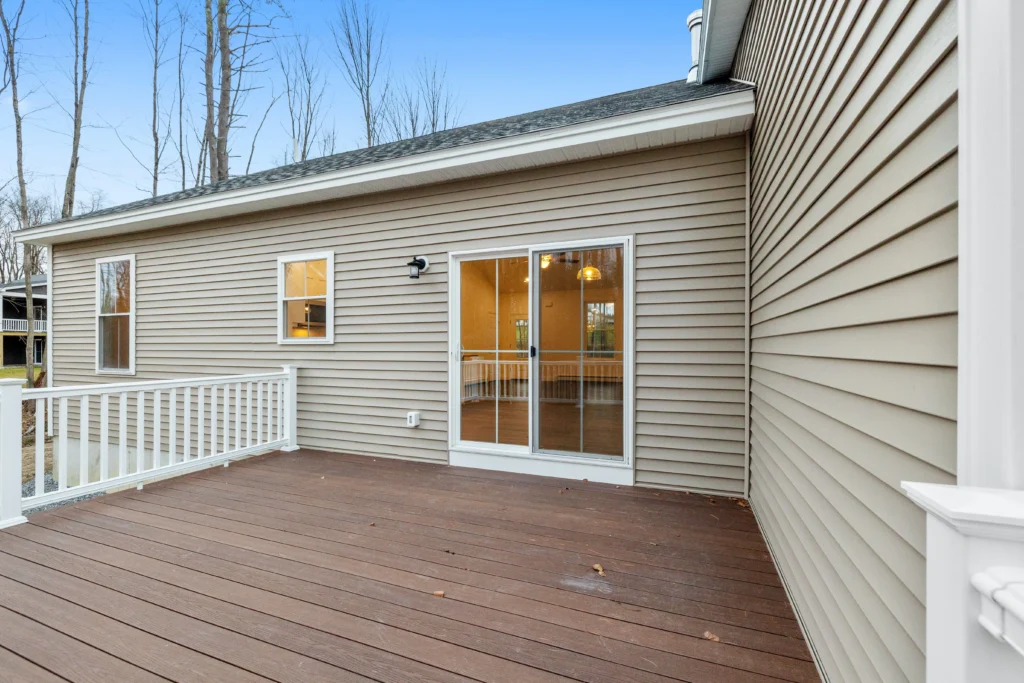
Horizontal lap siding consists of long boards or panels installed horizontally, with each course overlapping the one below it. It is one of the most recognizable siding styles and can be manufactured from several different siding materials.
The important thing to remember is that a horizontal appearance does not automatically mean your home has vinyl siding. Vinyl, wood, engineered wood, and fiber cement can all be manufactured in horizontal lap-style profiles.
Look closely at:
- The texture of the surface
- The thickness of each course
- Whether the material has visible wood grain
- How the seams are constructed
- Whether the panels have a hollow appearance
James Hardie’s guide to common siding styles also explains how lap siding, shingle siding, and vertical siding differ in appearance and installation.
Vertical Siding
Vertical siding is installed from top to bottom rather than horizontally. Board-and-batten is one common example.
If your home has tall, wide panels with regularly spaced vertical strips, you may be looking at a board-and-batten style. However, the profile alone still doesn’t tell you exactly what material was used.
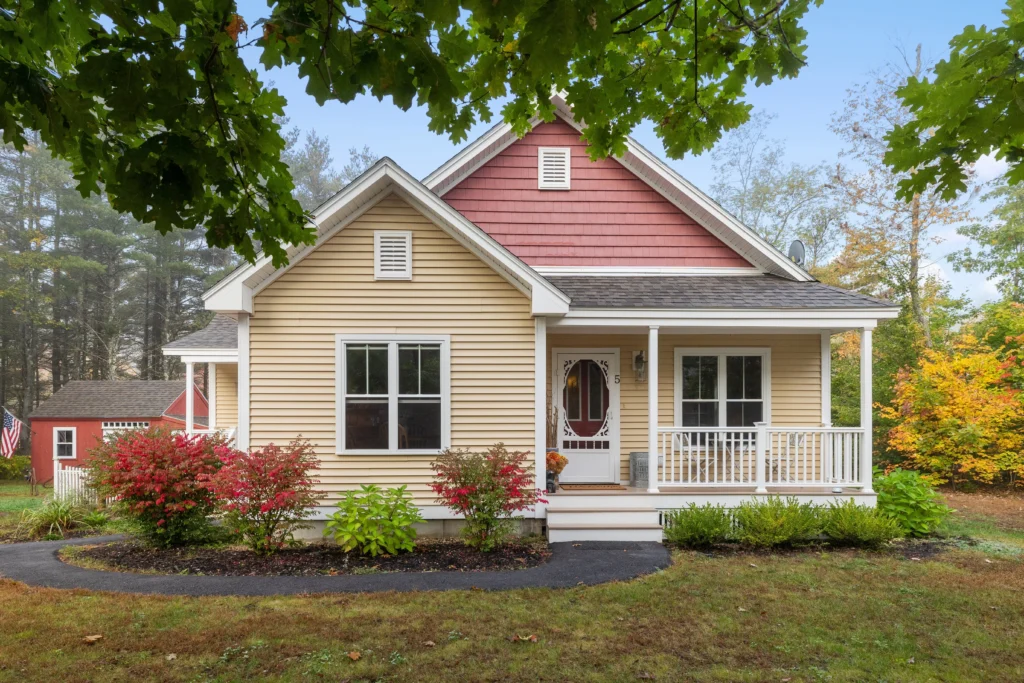
Shingle or Shake-Style Siding
Shingle siding is made up of smaller individual pieces rather than long horizontal panels. The edges may be straight, staggered, or scalloped.
This style is often used on gables, dormers, or architectural accents, although it can also cover larger portions of a home.
Modern fiber cement siding can be manufactured to resemble wood shingles, making it especially important to examine the material itself rather than relying only on appearance.
How to Identify Siding by Its Material
Once you have identified the general profile, examine the material. The following are some of the most common siding materials you may find on a home.
Vinyl Siding
Vinyl siding is one of the most common residential siding materials. It is manufactured primarily from PVC and is available in numerous colors, textures, and profiles. The Vinyl Siding Institute’s installation manual notes that vinyl siding can come in profiles such as single, double, triple, Dutch lap, vertical, and board-and-batten styles.
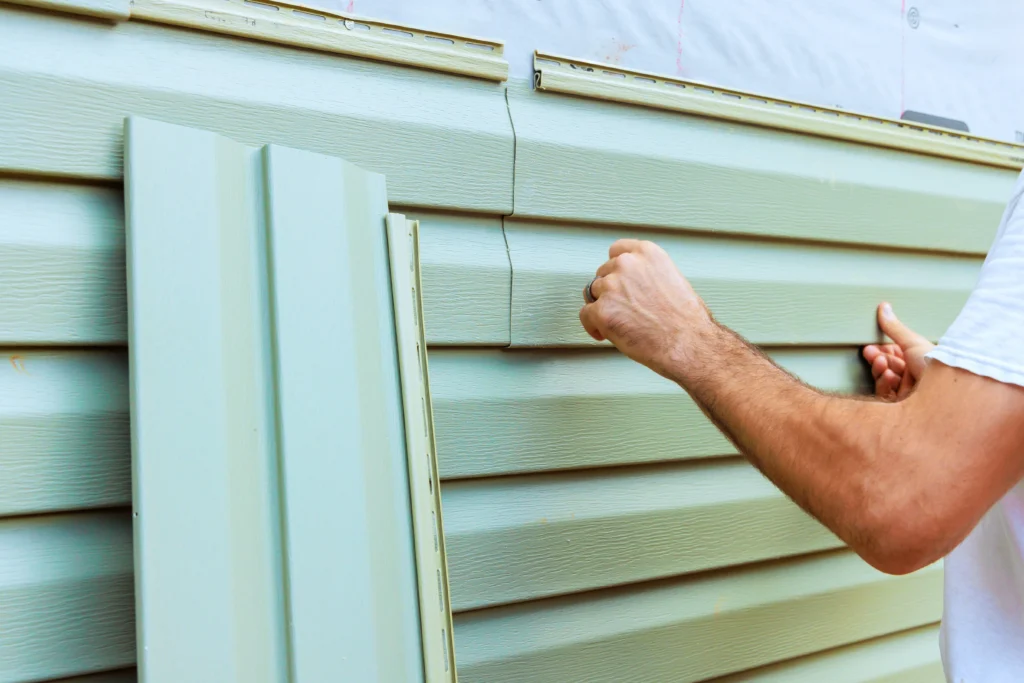
Some clues that may indicate vinyl siding include:
- Relatively lightweight panels
- A slightly flexible feel
- Consistent manufactured texture
- Horizontal panels with interlocking seams
- A bottom locking edge
- A nailing hem along the top of each panel
- A somewhat hollow sound when tapped
Another clue can be the way the material responds to temperature. Vinyl siding is designed to expand and contract as temperatures change, which is why properly installed panels need room for movement.
If you already know your home has vinyl siding, AAA’s guide on how to clean siding for every material can help you understand appropriate maintenance practices.
Wood Siding
Natural wood siding can be more difficult to identify because it may have been painted multiple times.
Look for:
- Natural wood grain
- Individual boards rather than molded panels
- Variations in texture
- Visible seams between boards
- Paint that appears to follow the natural grain
- Areas where the wood may have weathered or deteriorated
Wood siding can also be stained rather than painted, making the grain particularly noticeable.
However, age and multiple coats of paint can make wood siding difficult to distinguish from engineered wood or other wood-look products.
Fiber Cement Siding
Fiber cement siding is a composite material made from cementitious materials and cellulose fibers. It is available in a wide range of profiles and textures, including products designed to resemble traditional wood siding. James Hardie explains that fiber cement can be produced with woodgrain, smooth, and other finishes and in profiles such as lap, vertical, and shingle siding.
Potential clues include:
- A rigid, solid feel
- A relatively dense appearance
- Woodgrain or smooth textures
- More substantial boards than many vinyl products
- Crisp, defined edges
- A finish that resembles painted wood
Engineered Wood Siding
Engineered wood siding is manufactured from wood fibers and other materials designed to create a consistent exterior product.
It can look very similar to traditional wood siding, so visual identification alone may not always be enough.
Look for:
- A realistic woodgrain texture
- Consistent board dimensions
- A manufactured appearance
- Painted or factory-finished surfaces
- Lap, panel, or other common siding profiles
If you’re comparing this material with fiber cement, AAA’s article on engineered wood siding vs. fiber cement provides additional information about the differences between the two.
Check the Edges and Seams to Identify Siding
One of the most useful ways to identify siding is to look carefully at an exposed edge.
You may be able to see an edge around:
- A window
- A door
- An outside corner
- A damaged section
- A loose or removed panel
- The bottom of the siding near the foundation
Do not pry, pull, or remove siding just to identify it. Instead, use an area where the edge is already visible.
The backside or edge may reveal the material’s thickness and construction. Vinyl siding, for example, can have a distinctive hollow panel structure, while fiber cement is considerably more rigid and dense.
Look for Manufacturer Markings
If you can safely access an exposed portion of siding, check for manufacturer information.
Some products may have:
- Brand names
- Product codes
- Manufacturing information
- Embossed markings
- Labels on the back of panels
These markings can sometimes provide a definitive answer.
If you find a product code, take a clear photograph before searching for the information. You can compare the marking with manufacturer documentation or ask a siding professional to help identify it.

Use Your Home’s Age as a Clue
The age of your home can provide useful context, but it should not be used as proof of what siding is installed.
A home may have been built with one material and later received a siding replacement. Previous homeowners may also have installed new siding over an existing exterior.
That means the construction date can help narrow down possibilities, but it should be combined with physical observations.
If you have remodeling records, receipts, warranties, or previous inspection reports, check those documents as well. They may identify the manufacturer or material.
Can You Identify Siding From Its Color or Texture?
Color alone is not a reliable way to identify siding.
Modern siding is available in a wide range of colors, and different materials can be manufactured to create similar appearances.
For example, a wood-look surface does not necessarily mean you have wood siding. Vinyl, engineered wood, and fiber cement can all replicate aspects of a traditional wood appearance.
Texture can provide more useful information, especially when combined with other clues.
Look closely at whether the surface is:
- Smooth
- Woodgrain
- Brushed
- Rough
- Embossed
- Textured to resemble another material
Still, texture should be treated as one clue rather than a definitive identification method.
How Weathering Can Help You Identify Siding
The way siding has aged may also provide clues.
For example, you might notice:
- Cracking
- Warping
- Fading
- Peeling paint
- Rot
- Swelling
- Chipping
- Loose panels
- Corrosion
- Staining
These conditions can provide useful information about the material and its current condition, but they aren’t enough by themselves to determine what type of siding you have.
For example, wood can develop rot when exposed to moisture, while vinyl may crack or become distorted under certain conditions. Fiber cement and engineered wood have their own maintenance and installation considerations.
How to Tell What Kind of Siding Is on Your Home Without Removing It
In most cases, you do not need to remove siding to identify it.
Start with a visual inspection from the ground and look for:
- The direction of the siding.
- The size and shape of each panel or board.
- The texture.
- The thickness at an already exposed edge.
- The way corners and windows are finished.
- Signs of natural wood grain.
- Manufacturer markings.
- The siding’s condition.
Take photographs of the front, back, and sides of the home. Close-up photos of seams and exposed edges can be particularly helpful.
You can then compare those characteristics with manufacturer information or ask a siding professional for an evaluation.
When You Should Have a Professional Identify Your Siding
Sometimes siding is simply too difficult to identify from appearance alone.
Professional help may be especially useful when:
- You’re preparing for siding replacement
- You need to match an existing section
- You have storm damage
- The siding has been painted several times
- You’re unsure whether the material is wood or engineered wood
- You suspect hidden moisture damage
- You need to determine whether repairs are possible
- You’re considering replacing only part of the exterior
A professional can evaluate the visible siding as well as areas around windows, corners, trim, and other transitions.
AAA’s wood rot siding replacement case study provides an example of why looking beyond the exterior surface can matter. In that project, deteriorated siding and underlying wood rot required replacement to address water and air penetration.
What If You Suspect Your Siding Contains Asbestos?
Older homes may raise additional questions about potentially hazardous building materials.
It is important not to assume that a particular siding material contains asbestos simply because of its age or appearance. The EPA states that you cannot determine whether a material contains asbestos simply by looking at it. When a suspect material is damaged or will be disturbed during renovation, the EPA recommends sampling by a properly trained and accredited asbestos professional and analysis by a qualified laboratory.
If you suspect an older siding product could contain asbestos, don’t cut, drill, sand, or remove it just to determine what it is. Have the material evaluated appropriately before beginning work.
Why Identifying Your Siding Matters
Knowing what siding is on your home is useful for more than satisfying curiosity.
The material affects:
- Cleaning methods
- Maintenance requirements
- Repair options
- Replacement options
- Paint and finish considerations
- Expected performance
- How replacement materials should be selected
For example, the proper way to maintain vinyl siding isn’t necessarily the same as maintaining painted wood siding. Likewise, repairing fiber cement requires different considerations than replacing a damaged vinyl panel.
Understanding the material is the first step toward choosing the right approach.
The U.S. Department of Energy also notes that insulated siding can provide continuous insulation and reduce thermal bridging when properly incorporated into a home’s exterior assembly.
What Should You Do If Your Siding Needs to Be Replaced?
Once you know what material is currently on your home, you can start asking a more important question: Is it still the right material for your home’s needs?
Replacement may be worth considering when siding has widespread:
- Cracking
- Warping
- Rot
- Moisture damage
- Fading
- Pest damage
- Loose or missing sections
- Repeated repairs
However, damage to one small area does not automatically mean the entire exterior needs to be replaced.
The right solution depends on the extent of the damage, the condition of the underlying wall assembly, the age of the siding, and your long-term goals.
Final Tips for Identifying Your Home’s Siding
If you’re still wondering how to tell what kind of siding is on your home, don’t feel like you need to identify it based on one characteristic.
Instead, look at the complete picture.
Consider the siding’s:
- Profile
- Texture
- Thickness
- Flexibility
- Installation pattern
- Edges and seams
- Weathering
- Manufacturer markings
- Age and remodeling history
The combination of these characteristics can often narrow down the possibilities considerably.
Just remember that appearance isn’t always enough. Modern siding products can imitate the appearance of other materials, and previous remodeling projects can make a home’s exterior more complicated than it initially appears.
When you’re unsure, having a professional take a closer look can save you from choosing the wrong cleaning method, repair technique, or replacement material.
Get Help Identifying Your Siding From AAA Siding & Remodeling
Knowing how to tell what kind of siding is on your home is a useful first step, but identifying the material is only part of making the right exterior remodeling decision. If your siding is damaged, outdated, difficult to maintain, or no longer providing the appearance and performance you want, AAA Siding & Remodeling can help you evaluate your options. We offer professional siding services throughout the Kansas City area and work with materials including vinyl, wood, and James Hardie fiber cement siding. Contact AAA Siding & Remodeling or call 816-421-5433 to discuss your home.
FAQ About How to Tell What Kind of Siding Is on Your Home
How can I tell what kind of siding is on my home?
To identify your siding, examine its profile, texture, thickness, seams, and overall appearance. Look for manufacturer markings on exposed edges or behind loose sections if they are already accessible. Common siding materials include vinyl, wood, fiber cement, and engineered wood. If you’re still unsure, a professional siding contractor can inspect the material and help identify it.
What are the most common types of siding?
The most common types of siding include vinyl siding, wood siding, fiber cement siding, engineered wood siding, aluminum siding, and brick or stone veneer. Each material has different characteristics, maintenance requirements, and repair or replacement considerations.
How can I tell if I have vinyl siding?
Vinyl siding is typically lightweight and slightly flexible, with long interlocking panels and a consistent manufactured texture. You may be able to see a nailing hem or locking edge along an exposed section. Vinyl siding can also be designed to resemble wood, so examining the panel construction is more reliable than judging its appearance alone.
Can I identify my siding without removing it?
Yes. In many cases, you can identify siding by examining the profile, texture, seams, exposed edges, and installation pattern. Check around windows, doors, corners, and damaged areas where the material may already be visible. Avoid pulling or removing siding just to identify it, especially if you suspect the home contains older building materials.
When should I replace the siding on my home?
Consider siding replacement when your siding has widespread cracking, warping, rot, moisture damage, loose sections, severe fading, or recurring repair problems. The age and overall condition of the siding also matter. A professional inspection can help determine whether repairing individual sections or replacing the siding is the more appropriate option.