Accidentally splattered paint on your home’s exterior? Learning how to get paint off vinyl siding can help restore your home’s appearance without damaging the siding underneath.
Small paint drips and smears can often be removed with the right cleaning method, but aggressive scraping, abrasive tools, or harsh chemicals can create a bigger problem.
If your siding is heavily stained, damaged, faded, or simply ready for an upgrade, AAA Siding & Remodeling can help. Contact AAA Siding & Remodeling or call 816-421-5433 to discuss your siding needs.
What You’ll Learn About How to Get Paint Off Vinyl Siding
Removing paint from vinyl siding does not always require replacing the affected panel. The best approach depends on the type of paint, how long it has been on the siding, and how much of the surface is affected.
In this guide, we’ll cover:
- How to identify the type of paint on your siding
- Supplies you can use for minor paint splatters
- How to get paint off vinyl siding step by step
- What to do about dried and stubborn paint
- Which cleaning methods to avoid
- When paint removal may not be the best solution
- When siding replacement makes more sense
- How to prevent paint from getting on siding during future projects
How to Get Paint Off Vinyl Siding Without Damaging It
Vinyl siding is designed to be relatively low maintenance, but that does not mean every cleaning method is safe. The Vinyl Siding Institute recommends using soft-bristled brushes and avoiding stiff brushes or abrasive cleaners that can change the siding’s finish.
Before beginning any paint removal from vinyl siding, start with the least aggressive method possible.
1. Identify the Paint Before You Remove Paint From Vinyl Siding
If you know what paint was used, check the paint can or product label. Water-based latex paint is generally easier to clean than oil-based paint.
Fresh latex paint may respond to water and mild soap, while dried paint may require more careful spot treatment. Oil-based paints can be more difficult to remove and may require a product specifically intended for the paint type.
Do not automatically reach for a powerful solvent. Some chemicals that remove paint can also damage vinyl, discolor the surface, or affect its finish.
If you are unsure what type of paint you are dealing with, test your cleaning method on a small, inconspicuous area first.
2. Gather Your Supplies
For small paint splatters, start with basic supplies rather than heavy-duty chemicals.
You may need:
- Garden hose
- Bucket of warm water
- Mild household detergent
- Soft cloth or sponge
- Soft-bristled cleaning brush
- Plastic scraper
- Clean towels
- Gloves and eye protection
The goal is to soften and lift the paint without scratching or gouging the vinyl.
3. Rinse the Area
Start by rinsing the affected section with a garden hose. This removes loose dirt and debris that could otherwise get caught underneath your cleaning tool and scratch the siding.
Work carefully around seams, trim, windows, and other exterior components.
4. Try Soap and Water First
Mix a small amount of mild household detergent with warm water. Apply the solution to the paint spot using a soft cloth or sponge.
Let the solution sit briefly, then gently rub the area.
For fresh water-based paint, this may be enough to remove the residue.
Avoid aggressively scrubbing. If the paint does not come off easily, move to a more targeted approach rather than simply applying more pressure.
5. Carefully Lift Dried Paint
If paint has dried on the siding, you may be able to loosen the edge and carefully lift it with a plastic scraper.
Hold the scraper at a shallow angle and work slowly.
Do not use:
- Metal putty knives
- Razor blades
- Steel wool
- Sandpaper
- Wire brushes
- Abrasive scouring pads
The objective is to remove the paint—not the finish of the vinyl siding.
EPA guidance for painted surfaces also cautions against excessive rubbing and abrasive cleaning methods, particularly where deteriorating paint may be involved.
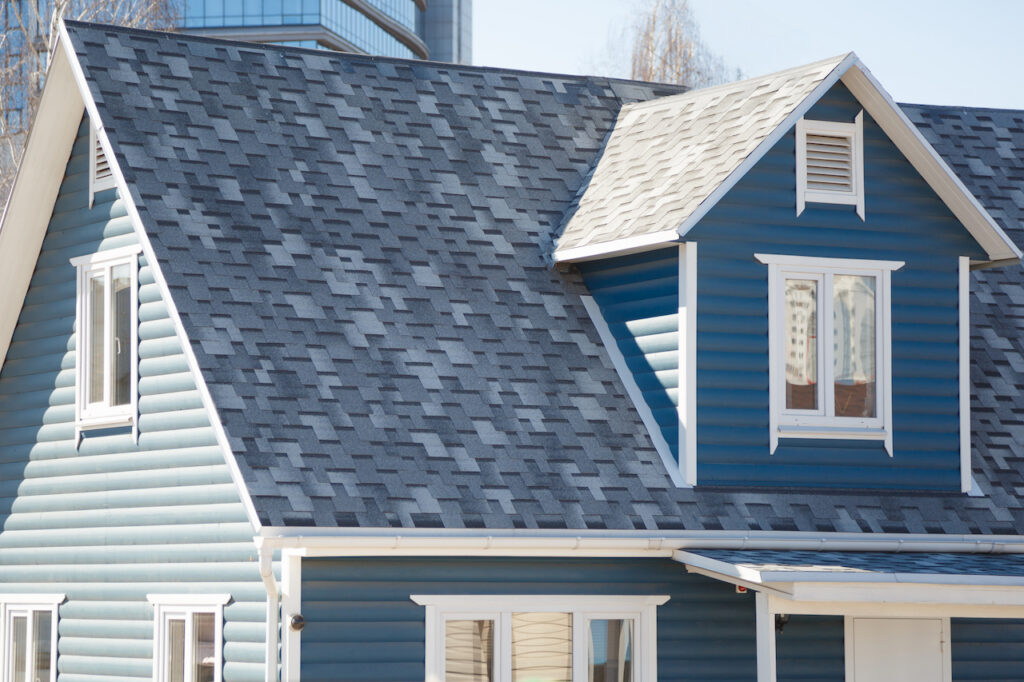
How to Get Paint Off Vinyl Siding When the Paint Is Stubborn
Sometimes a small paint spot is easy to remove, while another stain seems almost bonded to the siding. When that happens, patience is usually better than aggressive cleaning.
Test Any Cleaner Before Removing Paint From Vinyl Siding
If soap and water do not work, select a cleaner appropriate for the type of paint and follow its label directions.
Always test the product in an inconspicuous location before applying it to a visible portion of the siding.
Look for changes such as:
- Discoloration
- Loss of gloss
- Softening
- Warping
- Surface damage
If the test area changes appearance, stop using the product.
The Vinyl Siding Institute notes that certain household cleaners can be used for stubborn stains, but it also emphasizes following precautionary labeling instructions and protecting landscaping from direct contact with cleaning agents.
What About Paint Thinner or Strong Solvents?
This is where homeowners should be especially cautious.
A product capable of dissolving paint may also affect vinyl siding. Strong solvents can create discoloration or damage that is more noticeable than the original paint stain.
For that reason, do not assume that paint thinner, acetone, or another powerful solvent is appropriate simply because it works on paint.
Read the product label carefully and follow the siding manufacturer’s recommendations whenever available.
The U.S. Environmental Protection Agency also advises homeowners to follow product labels and use appropriate precautions when handling paint strippers and related chemicals.
Can You Use a Pressure Washer to Remove Paint From Vinyl Siding?
A pressure washer can clean siding, but it is not automatically the best tool for paint removal from vinyl siding.
High-pressure water can force moisture behind siding or damage vulnerable areas when used incorrectly. It can also spread loosened paint and cleaning chemicals across windows, landscaping, walkways, and other surfaces.
If you decide to use pressure washing as part of exterior cleaning, use an appropriate pressure setting, keep the nozzle at a safe distance, and follow the siding manufacturer’s recommendations.
For a small paint splatter, hand cleaning is usually more controlled and allows you to target the affected area without unnecessarily blasting the surrounding siding.
What Not to Do When Removing Paint From Vinyl Siding
Knowing what to avoid is just as important as knowing how to get paint off vinyl siding.
Don’t Scrape Vinyl Siding With Metal Tools
Metal blades can scratch the siding’s surface. Even a small scratch can become more noticeable once the surrounding area is cleaned.
Use a plastic scraper when appropriate, and work slowly.
Don’t Use Abrasive Cleaning Tools
Steel wool, wire brushes, abrasive pads, and coarse sandpaper can alter the surface texture and appearance of vinyl siding.
Don’t Immediately Reach for Harsh Chemicals
More powerful does not necessarily mean better. A chemical strong enough to dissolve dried paint may also damage the vinyl.
Always start with the gentlest practical solution.
Don’t Ignore Paint That May Contain Lead
If the paint is old, particularly on an older home, homeowners should consider the possibility of lead-based paint.
EPA guidance notes that activities such as scraping, sanding, and using a heat gun can disturb painted surfaces and create paint chips or dust.
If you are working around older painted materials and suspect lead-based paint, stop before creating dust or chips and review EPA’s lead-safe renovation guidance.
When Paint Removal From Vinyl Siding Isn’t the Best Option
Sometimes the question is not how to get paint off vinyl siding, but whether the siding should be replaced instead.
Paint removal may not be worthwhile when:
- Paint covers a large portion of the exterior
- The siding is cracked or warped
- The panels are badly faded
- The siding has become brittle
- Multiple panels are damaged
- Cleaning has already changed the siding’s appearance
- There is moisture damage behind or around the siding
- The siding is nearing the end of its service life
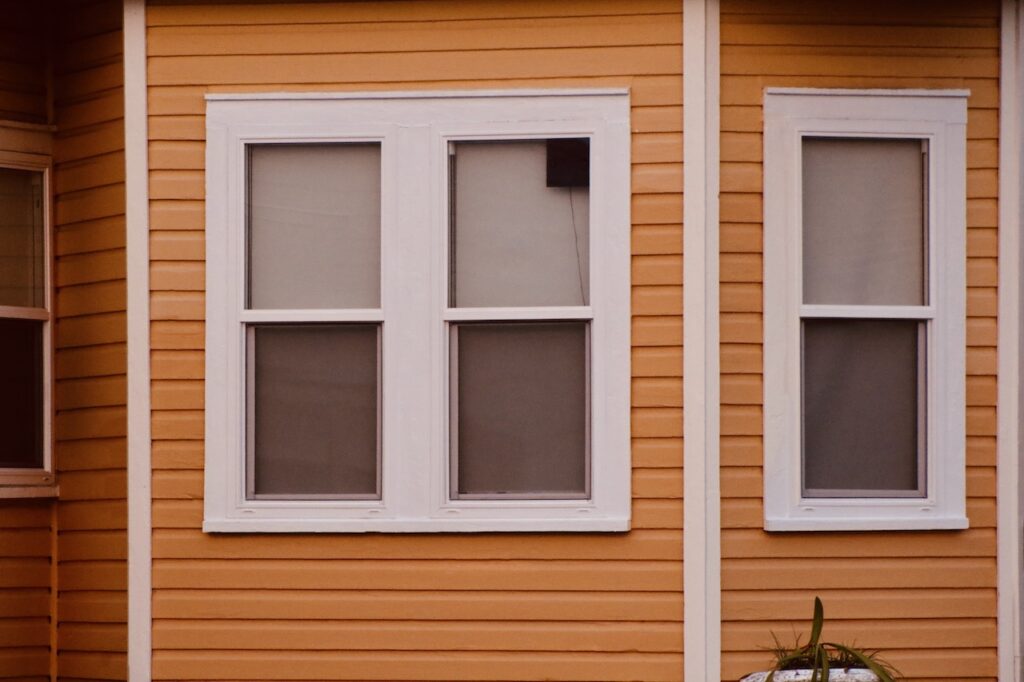
Paint Stains on Vinyl Siding vs. Damaged Siding
It is important to distinguish between a removable paint stain and damage to the siding itself.
A paint stain is typically a foreign material sitting on the siding’s surface. Damaged siding, on the other hand, may have:
- Cracks
- Holes
- Warping
- Fading
- Brittleness
- Loose panels
- Water-related deterioration
If removing paint exposes an underlying problem, continuing to scrub may only make matters worse.
AAA Siding & Remodeling’s siding case study on wood rot demonstrates why exterior surface problems should not always be treated as cosmetic issues. In that project, deteriorated siding and underlying wood rot required replacement to prevent additional water and air penetration.
How to Prevent Paint From Getting on Vinyl Siding
The easiest way to deal with paint on siding is to prevent the splatter in the first place.
If you’re painting your home’s exterior, take time to protect the siding before opening the paint can.
Helpful precautions include:
- Cover siding near the work area with appropriate protective materials.
- Use drop cloths beneath the area being painted.
- Mask trim and adjacent surfaces.
- Avoid painting in excessively windy conditions.
- Keep paint containers covered when they are not in use.
- Clean spills and splatters promptly.
- Follow the paint manufacturer’s application instructions.
Good preparation can save hours of cleanup later.
How Vinyl Siding Maintenance Helps Protect Your Home’s Exterior
Regular vinyl siding maintenance makes it easier to spot paint splatters, dirt, mildew, discoloration, cracks, and other problems before they become more noticeable. Vinyl siding generally requires relatively little maintenance.
When to Call a Professional for Paint Removal or Siding Replacement
A small paint splatter is often a manageable cleaning project. However, homeowners should know when to stop.
Consider professional help if the paint:
- Covers multiple sections of siding
- Has been present for a long time
- Appears to be oil-based or difficult to identify
- Requires strong chemicals to remove
- Is located on older painted surfaces
- Has already caused discoloration
- Is hiding cracks or other siding damage
- Is accompanied by moisture problems
Professional evaluation can help prevent a minor cosmetic issue from becoming an expensive exterior repair.
AAA Siding & Remodeling has more than 25 years of experience serving homeowners throughout the Kansas City metro and provides professional exterior remodeling services, including siding, replacement windows, and doors.
The company’s team also includes professionals with EPA RRP and lead-abatement credentials, which can be particularly relevant when exterior remodeling involves older painted surfaces.
Restore Your Home’s Exterior With AAA Siding & Remodeling
Knowing how to get paint off vinyl siding can help you tackle minor splatters without unnecessarily damaging your home’s exterior. Start with the gentlest method, test cleaning products before using them, avoid abrasive tools, and pay attention to signs that the siding itself may need repair or replacement.
If your vinyl siding is stained, damaged, faded, or simply ready for an exterior refresh, AAA Siding & Remodeling can help you determine the right solution. From vinyl siding installation and replacement to complete exterior remodeling, our team serves homeowners throughout the Kansas City metro with quality products and professional workmanship.
Contact AAA Siding & Remodeling today or call 816-421-5433 to schedule your consultation.
Frequently Asked Questions About How to Get Paint Off Vinyl Siding
What is the easiest way to get paint off vinyl siding?
Start with warm water, mild detergent, and a soft cloth or sponge. Fresh water-based paint is generally easier to remove than dried or oil-based paint. For dried spots, carefully test a plastic scraper or an appropriate cleaner in an inconspicuous area first.
Can you use vinegar to remove paint from vinyl siding?
Do not assume that vinegar or another household product is appropriate for every type of paint or vinyl siding. Test any cleaning solution in an inconspicuous area first and follow the siding and cleaner manufacturer’s instructions.
Will rubbing alcohol remove paint from vinyl siding?
It may affect some types of paint, but that does not mean it is safe for every vinyl siding finish. Always test a small hidden area first and stop if you notice discoloration or changes in the siding’s surface.
Can you use a pressure washer to remove paint from vinyl siding?
Pressure washing may help clean siding, but it should not be treated as a universal paint-removal solution. Excessive pressure or improper technique can damage siding or force water behind panels. For small paint spots, controlled hand cleaning is generally preferable.
What should I do if the paint will not come off?
Stop before resorting to increasingly aggressive chemicals or tools. If the paint covers a large area or the siding is already damaged, contact a professional siding contractor to determine whether cleaning, individual panel replacement, or full siding replacement makes the most sense.
Is vinyl siding supposed to be painted?
Vinyl siding is designed to be a low-maintenance exterior material and does not require routine painting. If you’re considering changing the color of existing vinyl siding, consult the siding manufacturer and a qualified professional before proceeding.