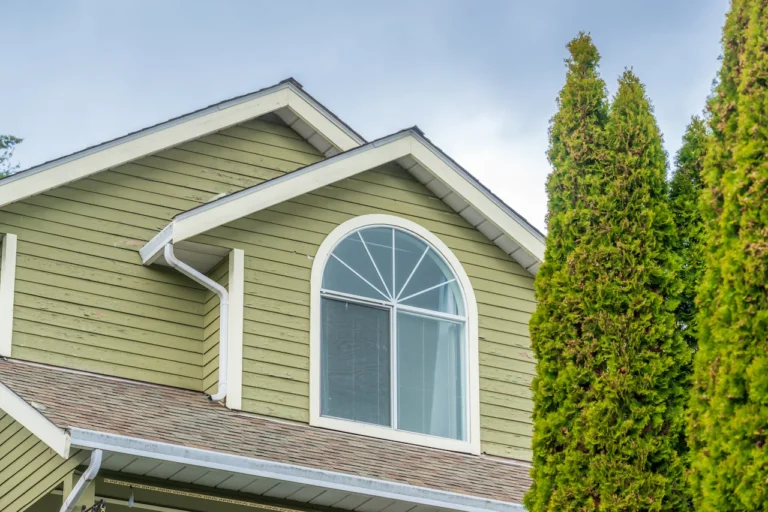

Your home’s siding is one of the first things people notice. Clean, well maintained siding improves curb appeal, protects your home from the elements, and can even help extend the life of your exterior. Over time, though, dirt, pollen, mildew, algae, and other contaminants naturally build up on siding, leaving it looking dull or stained.
At AAA Siding & Remodeling, we know homeowners in the Kansas City metro area often wonder how to clean siding without causing damage. The good news is that most siding materials are relatively easy to maintain when cleaned correctly. The key is understanding that each material has different care requirements. Using the wrong tools or cleaning methods can scratch finishes, force water behind panels, or shorten the lifespan of your siding.
This guide explains how to clean the most common siding materials, what cleaning products to use, what to avoid, and how often you should clean your home’s exterior.
Why Cleaning Your Siding Matters
Siding does much more than improve your home’s appearance. It acts as a protective barrier against moisture, wind, and changing weather conditions.
Regular cleaning helps:
- Remove dirt and airborne pollutants
- Prevent algae, mold, and mildew buildup
- Preserve the original color and finish
- Make routine inspections easier
- Extend the life of your siding
- Improve curb appeal
Many homeowners only think about cleaning their siding when stains become obvious. Instead, routine maintenance can prevent stubborn buildup before it becomes difficult to remove.
Before You Start Cleaning
Regardless of what type of siding you have, a little preparation goes a long way.
Before washing your home:
- Walk around the house and inspect the siding for cracks, loose panels, or damaged caulk.
- Close all windows and doors securely.
- Cover outdoor electrical outlets if necessary.
- Protect delicate landscaping.
- Test any cleaning solution in a small, hidden area first.
- Work on a cool, cloudy day whenever possible to prevent cleaners from drying too quickly.
Taking a few extra minutes to prepare helps prevent accidental damage while producing better cleaning results.
General Rules for Cleaning Any Type of Siding
While every siding material has its own recommendations, several best practices apply across the board.
Always:
- Start cleaning from the bottom and work your way upward when applying a cleaning solution.
- Rinse thoroughly from the top down.
- Use a soft cloth, soft brush, or soft bristle brush instead of abrasive scrubbers.
- Follow the manufacturer’s cleaning recommendations.
- Rinse away all cleaning residue completely.
Avoid:
- Wire brushes
- Steel wool
- Harsh abrasive cleaners
- Undiluted bleach
- Solvent based cleaners unless specifically recommended
- Letting cleaning solutions dry on the siding
Following these general guidelines reduces the risk of discoloration, scratches, or permanent damage.
How to Clean Vinyl Siding
Vinyl siding is one of the easiest siding materials to maintain. Dirt usually sits on the surface rather than penetrating the material, making regular cleaning fairly simple.

Supplies You’ll Need
- Garden hose
- Soft bristle brush or soft cloth
- Mild soap or siding cleaner
- Bucket of water
Cleaning Steps
Begin by rinsing the siding with a garden hose to loosen dirt and debris.
Next, mix a mild cleaning solution according to the manufacturer’s instructions. Using a soft brush or cloth, gently scrub the siding in manageable sections.
Pay extra attention to areas under roof overhangs, near landscaping, or on shaded sides of the home where algae and mildew tend to develop.
Once each section is cleaned, rinse thoroughly before moving to the next area.
Can You Pressure Wash Vinyl Siding?
Pressure washing may be appropriate in some situations, but it must be done carefully.
High pressure can:
- Force water behind siding panels
- Damage seams
- Loosen panels
- Increase the risk of moisture problems inside walls
If using a pressure washer, always follow the siding manufacturer’s recommendations and use the lowest effective pressure while spraying downward rather than upward beneath the panels.
For many homeowners, a standard garden hose and soft brush are more than sufficient.
How to Clean Fiber Cement Siding
Fiber cement siding, such as James Hardie, is known for its durability and low maintenance, but it still benefits from occasional cleaning.
Dust, dirt, mildew, and airborne contaminants can collect on the surface over time, especially in humid climates.

Best Cleaning Method
Use:
- Garden hose
- Soft brush
- Mild detergent
- Clean water
Rinse the siding first to remove loose dirt.
Using a soft brush, gently scrub the surface with mild soapy water. Avoid aggressive scrubbing that could damage the painted finish.
Once cleaned, thoroughly rinse away all soap residue.
Pressure Washing Fiber Cement
Some manufacturers allow pressure washing under specific conditions, while others recommend avoiding excessive pressure.
If pressure washing is used:
- Follow manufacturer guidelines
- Keep pressure moderate
- Never spray upward beneath lap boards
- Maintain a safe distance from the siding
When in doubt, hand washing remains the safest approach.
How to Clean Wood Siding
Wood siding requires a little more care than synthetic materials because excessive moisture and harsh cleaning methods can damage natural wood fibers.
Regular cleaning helps preserve both painted and stained finishes.

Cleaning Process
First, remove loose dirt with a gentle rinse from a garden hose.
Mix a mild cleaning solution and carefully scrub the siding using a soft brush.
Work with the grain of the wood whenever possible.
After cleaning, rinse thoroughly to remove any remaining cleaner.
Allow the siding to dry completely.
Extra Care Tips
Wood siding should never be cleaned with:
- Wire brushes
- Abrasive pads
- Harsh chemicals
- Excessively high water pressure
If paint is peeling or wood appears damaged, repairs should be completed before cleaning the entire exterior.
How to Clean Composite Siding
Composite siding combines durability with relatively easy maintenance.
Like other siding materials, it benefits from occasional washing to remove dirt, pollen, mold, and mildew.
Recommended Cleaning
Most composite siding can be cleaned using:
- Mild soap
- Water
- Soft brush
- Garden hose
Clean small sections at a time, gently scrubbing stubborn spots before rinsing completely.
Always check the manufacturer’s care recommendations since cleaning requirements may vary slightly between products.
Removing Mold, Mildew, and Algae
Dark streaks or green patches often indicate algae or mildew growth rather than ordinary dirt.
These organisms commonly appear on:
- North facing walls
- Areas beneath trees
- Shaded sections of the home
- Locations with poor airflow
Many siding manufacturers recommend cleaning solutions designed specifically for mildew removal.
Regardless of the cleaner used, rinse thoroughly afterward and avoid allowing chemicals to dry on the siding surface.
Also remember that cleaning removes existing growth but may not eliminate the conditions that allow it to return. Improving sunlight exposure by trimming vegetation and increasing airflow around the home can help reduce future growth.
How Often Should You Clean Siding?
Most homes benefit from cleaning about once each year.
However, you may need more frequent cleaning if your home:
- Sits beneath large trees
- Is located near busy roads
- Experiences heavy pollen seasons
- Has significant shade
- Is in a humid climate where algae and mildew grow more quickly
Routine inspections throughout the year can help you determine when another cleaning is needed.

Common Mistakes to Avoid
Cleaning siding seems straightforward, but several common mistakes can cause expensive damage.
Using Too Much Pressure
One of the biggest mistakes homeowners make is assuming more pressure equals better cleaning.
Excessive pressure can:
- Crack siding
- Remove protective finishes
- Force water behind siding
- Loosen trim pieces
Gentle cleaning is almost always the safer choice.
Using Abrasive Tools
Scouring pads, wire brushes, and steel wool may remove stains, but they can also scratch finishes permanently.
Soft brushes provide effective cleaning without damaging the surface.
Ignoring Manufacturer Guidelines
Every siding product has specific maintenance recommendations.
Following those guidelines helps preserve warranties while reducing the risk of accidental damage.
Letting Cleaners Dry
Cleaning products should never dry on the siding.
Work in smaller sections so you can rinse completely before moving on.
Skipping Routine Maintenance
Waiting years between cleanings often allows dirt and mildew to become much harder to remove.
Annual maintenance is usually much easier than trying to restore heavily stained siding.
When Cleaning Is Not Enough
Sometimes dirty siding is actually damaged siding.
If you notice:
- Cracks
- Warping
- Loose panels
- Fading that does not improve after cleaning
- Rot on wood siding
- Water damage
It may be time for repairs or replacement rather than another cleaning.
A professional inspection can help determine whether simple maintenance is enough or if more extensive work is needed.
Keep Your Home Looking Its Best
Learning how to clean siding properly helps protect your investment while keeping your home looking beautiful year after year.
Whether your home features vinyl, fiber cement, wood, or composite siding, using the right cleaning methods can remove dirt, algae, and mildew without causing unnecessary damage. Gentle cleaning, regular inspections, and following manufacturer recommendations all play an important role in extending the life of your home’s exterior.
At AAA Siding & Remodeling, we’re committed to helping homeowners protect and improve their homes. If your siding no longer looks its best after cleaning, or if you’ve noticed damage that needs professional attention, our experienced team is here to help. Contact AAA Siding & Remodeling by calling 816-421-5433 or reach out online today for a free consultation and discover the best solutions to keep your home’s exterior looking beautiful for years to come.
Frequently Asked Questions
1. How often should I clean my siding?
Most homes should have their siding cleaned about once a year. Homes surrounded by trees, located in humid climates, or exposed to heavy pollen may benefit from more frequent cleaning.
2. Is it safe to pressure wash siding?
It depends on the siding material and the manufacturer’s recommendations. Pressure washing with excessive force can damage siding or force water behind panels. In many cases, a garden hose and soft brush are the safer option.
3. What is the best cleaner for siding?
A mild soap solution or a manufacturer approved siding cleaner is generally recommended. Avoid abrasive cleaners and harsh chemicals that could damage the finish.
4. Can I remove mold and mildew from siding?
Yes. Mold and mildew can often be removed using cleaning solutions designed for exterior siding. Follow the product directions carefully and rinse thoroughly after cleaning.
5. What should I do if my siding still looks bad after cleaning?
If stains remain after proper cleaning, the siding may be faded, damaged, or reaching the end of its lifespan. A professional inspection can determine whether repairs or replacement are the best solution.
Related Topics
- Why Regular Maintenance of Siding, Windows and Doors is So Important
- Five Signs It’s Time to Replace Your Home’s Siding
- The Benefits of Installing James Hardie Fiber Cement Siding on Your Home
- James Hardie Siding Colors: Find Your Perfect Match
- How to Remove Green Algae From Vinyl Siding: A Safe Step-by-Step Guide