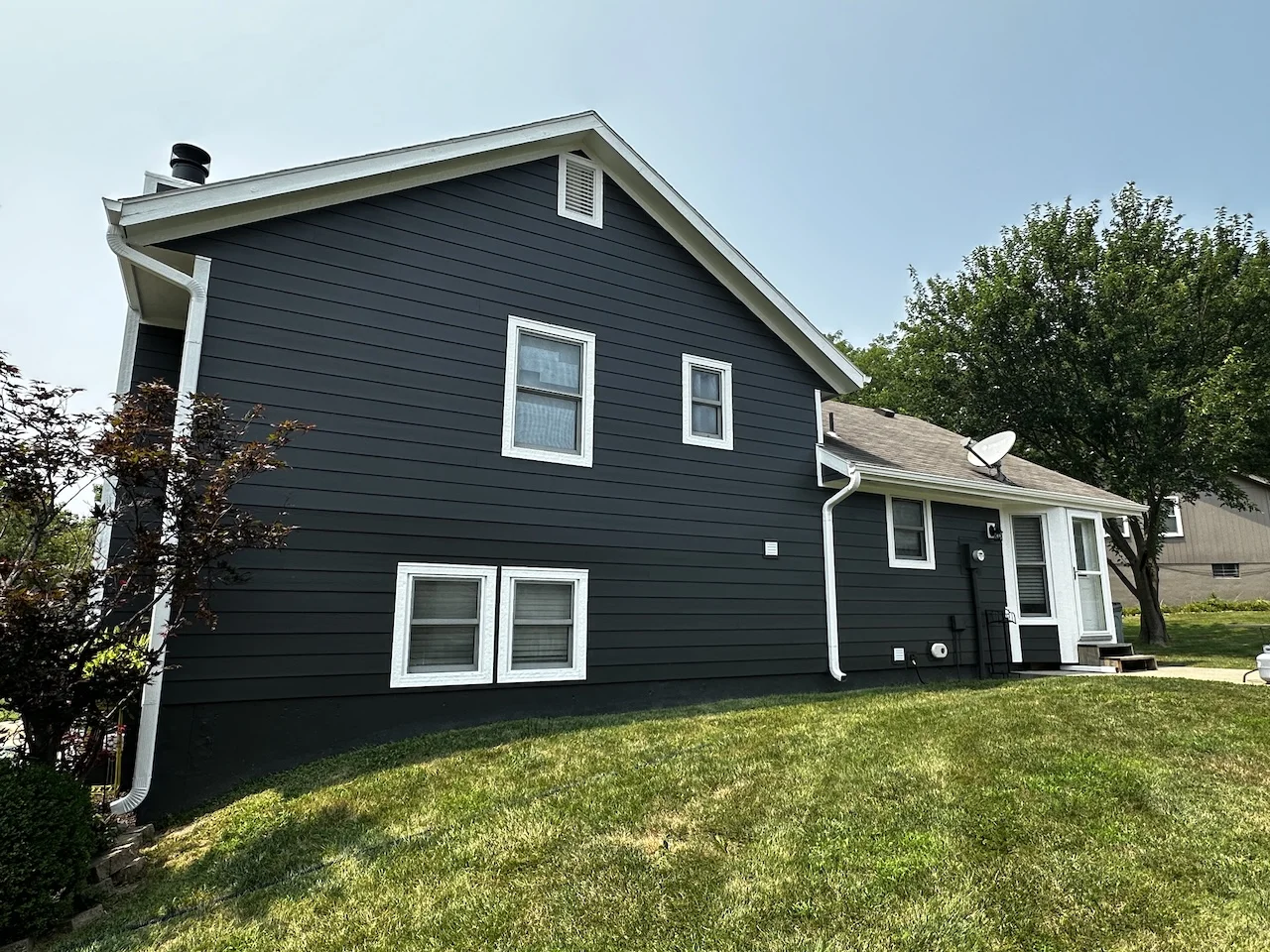
When you’re investing in new siding, one of the biggest decisions you’ll make is choosing the right material. Two of today’s most popular options are engineered wood siding and fiber cement siding. Each offers impressive durability, attractive curb appeal, and long-term value, but they differ in maintenance, performance, appearance, and installation.
At AAA Siding & Remodeling, we help homeowners choose siding that fits their home’s style, budget, and long-term goals. Whether you’re replacing aging siding or building a new home, understanding the differences between these materials can help you make a confident decision.
This guide compares engineered wood siding vs fiber cement so you can determine which option is right for your home.
What Is Engineered Wood Siding?
Engineered wood siding is a manufactured product made by combining wood fibers or wood strands with resins and waxes under high pressure. The result is a durable siding material designed to provide the appearance of natural wood while improving resistance to moisture, insects, and decay.
Unlike traditional wood siding, engineered wood is treated during manufacturing to help it withstand harsh weather and everyday wear.
Many homeowners choose engineered wood because it delivers the warmth and character of real wood without requiring as much maintenance.

What Is Fiber Cement Siding?
Fiber cement siding is manufactured using a blend of cement, sand, cellulose fibers, and water. This combination creates an extremely durable material that stands up well to changing weather conditions, pests, and fire.
At AAA Siding & Remodeling, we proudly install James Hardie® fiber cement siding, one of the most trusted names in the industry. James Hardie products are engineered for long-lasting performance and are specifically designed to resist many of the issues that affect other siding materials.
Fiber cement has become one of the most popular premium siding choices because it combines exceptional durability with beautiful curb appeal.
Engineered Wood Siding vs Fiber Cement at a Glance
Feature |
Engineered Wood |
Fiber Cement |
Appearance
|
Natural wood look
|
Wood grain
|
Durability
|
Excellent
|
Outstanding
|
Moisture Resistance
|
Very Good
|
Excellent
|
Pest Resistance
|
Treated against termites
|
Naturally resistant
|
Fire Resistance
|
Moderate
|
Noncombustible
|
Weight
|
Lightweight
|
Heavier
|
Installation
|
Easier and faster
|
More labor intensive
|
Maintenance
|
Periodic repainting
|
Lower maintenance
|
Longevity
|
Long lasting
|
Exceptional lifespan
|
Appearance and Design Options
One of the biggest reasons homeowners compare engineered wood siding vs fiber cement is aesthetics.
Both materials are designed to resemble natural wood and can dramatically improve curb appeal.
Engineered Wood
Engineered wood offers:
- Deep wood grain textures
- Rustic appearance
- Traditional lap siding
- Panel siding
- Shake-style accents
- Multiple paint colors
Many homeowners appreciate how authentic engineered wood looks from the street.
Fiber Cement
James Hardie fiber cement siding is available in numerous styles, including:
- Traditional lap siding
- Vertical siding
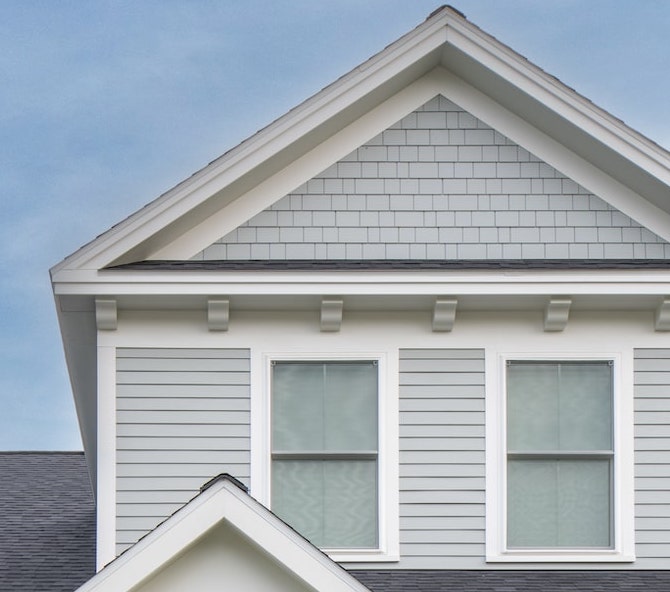
- Shingle siding
- Board and batten
- Smooth finishes
- Cedar mill textures
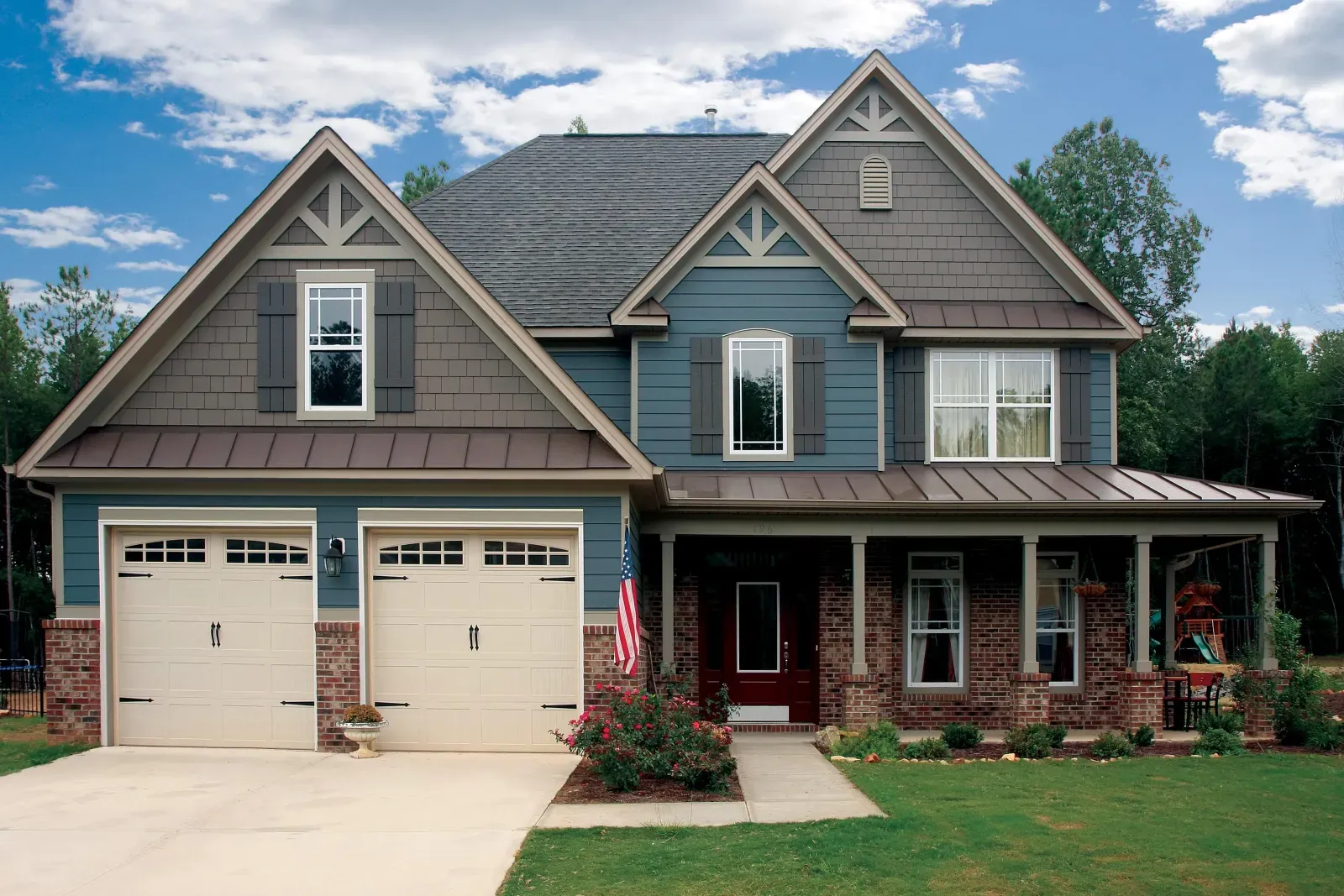
It also comes in a wide variety of factory-finished colors that are designed for long-lasting beauty.
Winner: Tie. Both products provide beautiful styles that can complement nearly any home.
Durability
Durability is where both siding materials truly shine, although they excel in slightly different ways.
Engineered wood is manufactured to resist many of the problems associated with traditional wood siding. Protective resins and treatments help defend against moisture, fungal decay, and insect damage.
Fiber cement takes durability even further. Because it contains cement rather than wood, it resists many environmental threats that can shorten the life of other siding materials.
James Hardie siding is engineered to handle changing climates while maintaining its strength and appearance for many years.
If long-term toughness is your highest priority, fiber cement often comes out ahead.
Winner: Fiber cement.
Moisture Resistance
Water is one of the biggest threats to any home’s exterior.
Properly installed engineered wood performs well against moisture because of the waxes and resins used during manufacturing. However, like any siding material, poor installation or damaged paint can eventually allow moisture intrusion.
Fiber cement naturally resists moisture damage when installed correctly. It will not rot like traditional wood and is less susceptible to swelling from humidity.
For homeowners in climates with frequent rain, snow, or seasonal humidity, fiber cement provides added peace of mind.
Winner: Fiber cement.
Resistance to Pests
Termites and wood-boring insects can cause serious damage to some siding materials.
Engineered wood is specially treated to resist termites and fungal growth, making it much more durable than natural wood siding.
Fiber cement contains no wood products that insects can consume, making it naturally resistant to termite damage.
Both perform well, but fiber cement offers an additional layer of protection simply because it is not made from wood.
Winner: Fiber cement.
Fire Resistance
Fire resistance is another important difference in the engineered wood siding vs fiber cement comparison.
Fiber cement is a noncombustible material. It will not ignite when exposed to direct flame, making it an excellent option for homeowners looking to improve their home’s fire resistance.
Engineered wood receives protective treatments during manufacturing but still contains wood fibers. While these treatments improve performance, it is not considered noncombustible like fiber cement.
If fire resistance is one of your top priorities, fiber cement is the stronger choice.
Winner: Fiber cement.
Installation Differences
Installation affects both project timelines and overall performance.
Engineered wood siding is significantly lighter than fiber cement, making it easier to transport, cut, and install. Contractors can often complete projects more quickly because the material is easier to handle.
Fiber cement is much heavier and requires specialized cutting tools, proper safety equipment, and experienced installers.
Although installation may take longer, many homeowners feel the added durability is worth the investment.
Professional installation is essential regardless of which material you choose to ensure maximum performance and warranty protection.
Winner: Engineered wood.
Maintenance Requirements
Every siding material requires some routine maintenance to continue looking its best.
Engineered Wood
Maintenance generally includes:
- Washing away dirt and debris
- Inspecting for damaged caulk
- Touching up paint when necessary
- Keeping vegetation trimmed away
Fiber Cement
Fiber cement typically requires:
- Occasional cleaning
- Periodic inspections
- Repainting after many years if desired
- Checking sealants around windows and trim
Both products are relatively low maintenance compared to traditional wood siding, but fiber cement generally requires less attention over its lifespan.
Winner: Fiber cement.
Longevity
When investing in new siding, homeowners want confidence that their investment will last.
Both engineered wood and fiber cement offer excellent longevity when professionally installed and properly maintained.
Engineered wood provides decades of reliable performance while maintaining its attractive appearance.
James Hardie fiber cement siding is widely recognized for its exceptional long-term durability, often making it a preferred option for homeowners planning to stay in their homes for many years.
Winner: Fiber cement.
Cost Considerations
Cost is often one of the first questions homeowners ask.
Engineered wood is generally less expensive to install because:
- The material weighs less
- Installation is faster
- Labor costs are often lower
Fiber cement typically requires:
- More labor
- Specialized installation techniques
- Additional cutting equipment
- Longer installation time
While the initial investment may be higher, many homeowners find fiber cement’s durability and lower maintenance needs provide excellent long-term value.
Instead of focusing only on upfront cost, it’s helpful to consider lifetime ownership costs when comparing siding options.
Winner: Engineered wood for initial affordability. Fiber cement for long-term value.
Which Material Looks More Like Real Wood?
This question often surprises homeowners.
Engineered wood is made with actual wood fibers, allowing manufacturers to create highly realistic grain patterns.
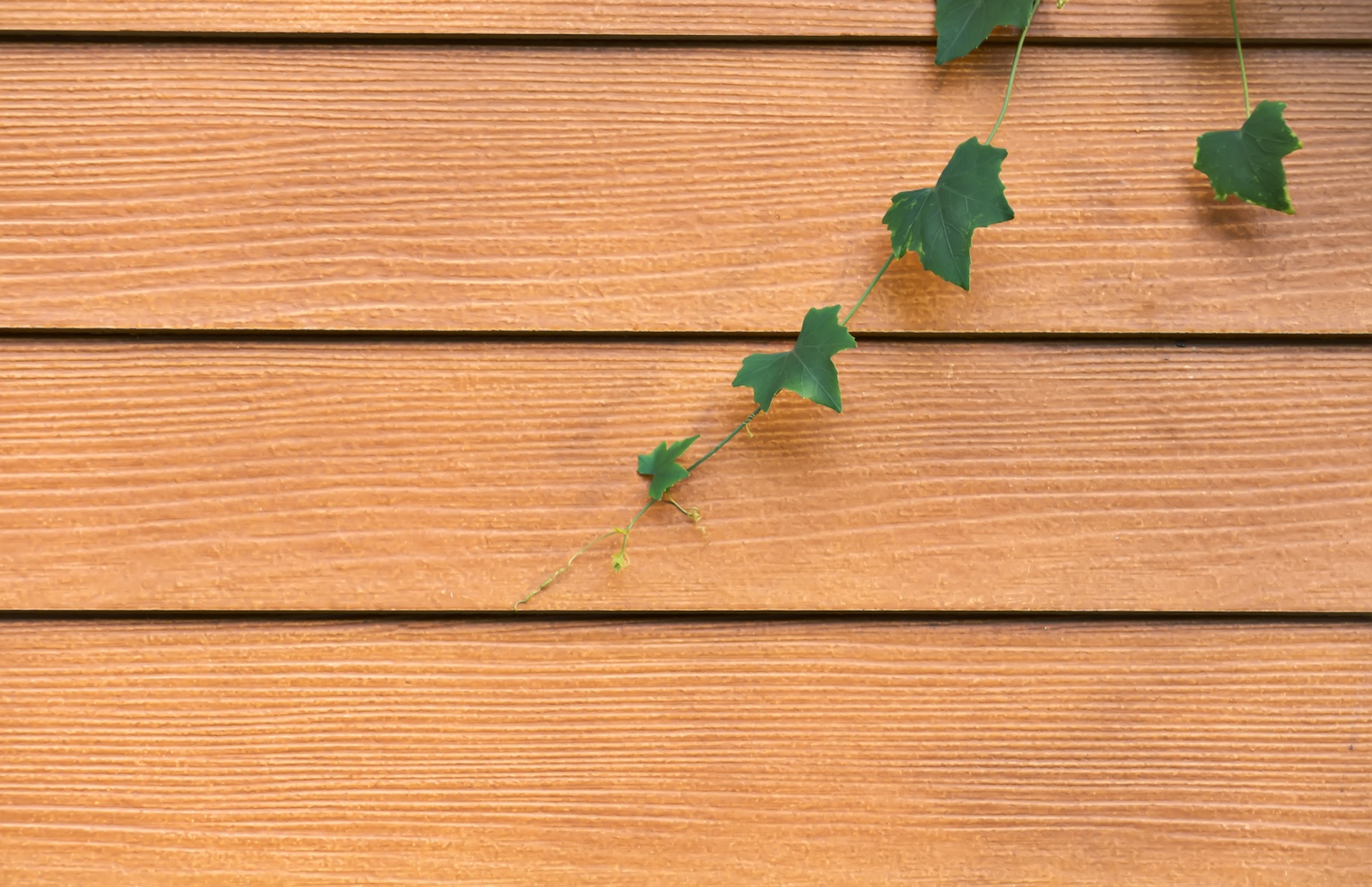
James Hardie fiber cement products also feature convincing wood grain textures that closely resemble cedar and other natural wood species.
From the curb, many homeowners and even professionals have difficulty distinguishing either product from real wood.
Ultimately, appearance often comes down to personal preference and the specific profile you select.
Which Is Better for Your Home?
The answer depends on your priorities.
Choose engineered wood siding if you want:
- Lower installation costs
- Lighter materials
- A realistic wood appearance
- Faster installation
Choose fiber cement siding if you want:
- Maximum durability
- Outstanding moisture resistance
- Superior fire resistance
- Minimal maintenance
- Exceptional long-term value
Many homeowners who prioritize durability and longevity ultimately choose James Hardie fiber cement siding because of its proven performance in a variety of climates.
Don’t Forget About the Rest of Your Exterior
While siding makes the biggest visual impact, it works best as part of a complete exterior renovation. In addition to fiber cement and engineered wood siding, AAA Siding & Remodeling also installs high-quality vinyl siding, replacement windows, and exterior doors to help improve your home’s appearance, comfort, and energy efficiency.
Whether you need a small repair after storm damage or it’s time for a complete exterior makeover, AAA Siding & Remodeling can handle both your siding repair and full siding replacement with expert craftsmanship and quality materials.
Final Thoughts
When comparing engineered wood siding vs fiber cement, there is no universal winner because every homeowner has different priorities.
Engineered wood offers beautiful natural aesthetics, lighter weight, and lower installation costs, making it an attractive option for many homes.
Fiber cement, especially James Hardie siding, stands out for its remarkable durability, moisture resistance, fire resistance, and long-term performance. Although the upfront investment is often higher, many homeowners find the added protection and reduced maintenance make it well worth the cost.
At AAA Siding & Remodeling, we’re here to help you compare your options, answer your questions, and recommend the best siding solution for your home’s needs and your budget.
Ready to Upgrade Your Home?
Whether you’re interested in engineered wood siding or premium James Hardie fiber cement siding, the experienced team at AAA Siding & Remodeling is ready to help. Contact us today by calling 816-421-5433 or reach out online to schedule a consultation and discover which siding option is the perfect fit for your home.
Frequently Asked Questions
1. Is engineered wood siding cheaper than fiber cement?
Generally, yes. Engineered wood typically has lower material and installation costs because it is lighter and easier to install.
2. Does James Hardie siding require a lot of maintenance?
No. James Hardie fiber cement siding requires occasional cleaning and periodic inspections but generally needs less maintenance than many other siding materials.
3. Which siding lasts longer?
Both materials are durable, but fiber cement is generally known for its exceptional longevity when professionally installed and properly maintained.
4. Which siding is better for wet climates?
Fiber cement typically performs better in areas with frequent rain or humidity because of its excellent moisture resistance.
5. Can AAA Siding & Remodeling help me choose the right siding?
Absolutely. Our team can evaluate your home, discuss your goals, explain your options, and recommend the siding material that best fits your needs and budget.