
If you’re considering new siding for your home, you may be wondering, how long does James Hardie board last? James Hardie fiber cement siding is designed for long-term durability, with resistance to moisture, pests, and harsh weather. However, the actual lifespan of your siding depends on several factors, including installation, climate, maintenance, and how well the entire exterior wall system is protected.
For Kansas City homeowners, choosing a siding material that can stand up to changing temperatures, severe storms, humidity, and everyday wear is an important investment. Contact AAA Siding & Remodeling at 816-421-5433 to discuss whether James Hardie fiber cement siding is the right choice for your home.
How Long Does James Hardie Board Last?
So, how long does James Hardie board last? While there isn’t one guaranteed service life for every installation, James Hardie backs its fiber cement siding, trim, and soffit products with a 30-year non-prorated, transferable limited substrate warranty. ColorPlus® Technology finishes carry a separate 15-year limited warranty.
A warranty should not be confused with a guaranteed expiration date. The fact that a product has a 30-year substrate warranty does not mean the siding automatically needs to be replaced after 30 years. Properly installed and maintained siding can continue performing beyond the warranty period.
The overall James Hardie siding lifespan can depend on:
- Quality of installation
- Proper flashing and moisture management
- Local weather conditions
- Exposure to sun and precipitation
- Regular cleaning and maintenance
- Damage from storms or impact
- The condition of the wall system behind the siding
James Hardie describes its products as engineered for climate and designed to withstand weather extremes, while AAA Siding & Remodeling installs James Hardie fiber cement siding throughout the Kansas City metro area.
What Is the Typical James Hardie Siding Lifespan?
The James Hardie siding lifespan is one of the reasons homeowners choose fiber cement over other exterior materials. Unlike some siding products that may be more susceptible to rot, insects, or significant weather-related deterioration, fiber cement is engineered for durability.
James Hardie states that its siding resists moisture damage and pests and is noncombustible. Its products are also formulated through its Engineered for Climate® approach to provide performance appropriate for regional weather conditions.
For homeowners, the more useful question isn’t simply, “Will it last 30 years?” Instead, consider whether the siding is properly installed and maintained so it can perform as intended over the long term.
AAA Siding & Remodeling explains more about the material’s advantages in its guide to James Hardie fiber cement siding, including its durability, low-maintenance characteristics, and resistance to moisture and pests.
What Makes Hardie Board So Durable?
Understanding the material itself helps explain the Hardie board lifespan.
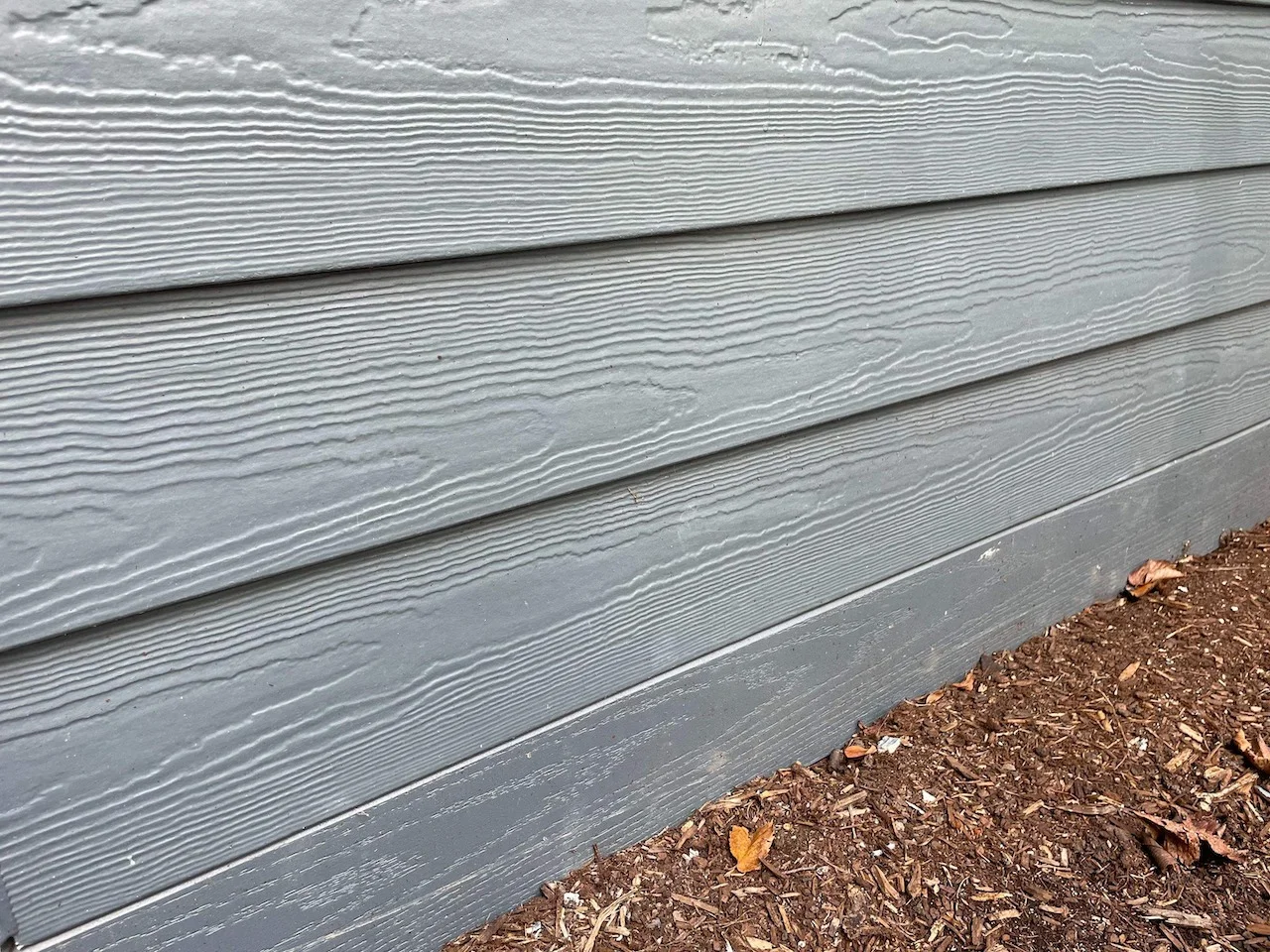
Fiber cement siding is made from cementitious materials reinforced with cellulose fibers. The resulting product is rigid and durable, providing a different performance profile than traditional wood siding.
Resistance to Moisture
Moisture is one of the biggest concerns for any exterior building material. Prolonged exposure to water can contribute to deterioration in many types of siding and can create problems within the wall assembly if water gets behind the cladding.
James Hardie fiber cement siding is designed to resist moisture-related damage. However, the siding itself is only one component of a home’s exterior wall system.
The U.S. Department of Energy explains that a water-resistant barrier behind exterior cladding provides a drainage path for moisture that gets past the siding. Proper flashing around windows, doors, and other wall penetrations is also important.
That means proper installation matters just as much as the siding material.
Resistance to Pests
Wood siding can be vulnerable to insects such as termites and other pests. James Hardie states that its fiber cement siding holds no appeal for pests such as termites and woodpeckers.
This can be an important consideration for homeowners looking for a long-lasting exterior material with fewer pest-related concerns.
Resistance to Weather
Kansas City homes experience a wide range of weather throughout the year. Hot summers, freezing temperatures, heavy rain, wind, hail, and rapid temperature changes can all put stress on an exterior.
Fiber cement siding is designed to provide durable exterior protection in challenging conditions. However, severe storms can still damage any siding material. A professional inspection after significant impact can help determine whether individual boards can be repaired or whether a larger section needs attention.
Does James Hardie Siding Fade?
Color retention is another important consideration when evaluating how long does James Hardie board last.
James Hardie offers products with ColorPlus® Technology, a factory-applied finish designed for consistent color and improved resistance to fading, peeling, and cracking. James Hardie currently provides a 15-year limited warranty for ColorPlus® Technology finishes.
That doesn’t mean the color can never change. Exterior materials are exposed to sunlight and weather every day. However, a factory-applied finish is designed to provide long-lasting color and reduce the maintenance associated with repeatedly painting exterior siding.
If you’re deciding between different colors, AAA’s guide to James Hardie siding colors can help you compare popular options and think about how different shades work with your home’s architecture, roof, windows, and trim.
How Does Installation Affect the Hardie Board Lifespan?
Even the highest-quality siding cannot perform properly if it is installed incorrectly.
Installation affects everything from water management to fastening, joints, clearances, and the way siding interacts with windows, doors, roofs, and other exterior components.
The U.S. Department of Energy’s Building Science Education resources emphasize the importance of a properly installed drainage plane and water-resistant barrier behind exterior cladding. These components help direct water away from wall cavities rather than allowing moisture to remain trapped behind the siding.
For this reason, professional installation is a major part of maximizing the Hardie board lifespan.
How Long Does Fiber Cement Siding Last Compared With Other Materials?
If you’re asking how long does fiber cement siding last, it’s also helpful to understand how the material compares with other common siding options.
Fiber cement is one of several exterior siding choices available to homeowners. Vinyl, engineered wood, and traditional wood siding all have their own advantages and maintenance requirements.
The right material depends on your home’s architecture, budget, maintenance preferences, climate, and long-term goals.
AAA Siding & Remodeling’s article on engineered wood siding vs. fiber cement provides a closer look at the differences between the two materials, including maintenance, appearance, and performance.
Rather than choosing siding based solely on expected lifespan, consider the total ownership experience. A material that lasts a long time but requires extensive maintenance may not be the best fit for every homeowner.
What Maintenance Does James Hardie Siding Need?
One of the biggest advantages of fiber cement siding is that James Hardie siding maintenance is relatively straightforward.
That doesn’t mean the siding can be completely ignored. Regular inspections and cleaning can help homeowners identify problems early and keep the exterior looking its best.
Basic James Hardie siding maintenance can include:
- Inspecting the siding periodically for cracks or damage
- Checking areas around windows and doors
- Looking for signs of moisture intrusion
- Keeping gutters and downspouts functioning properly
- Removing dirt and organic buildup
- Trimming vegetation away from the exterior
- Addressing damaged boards promptly
- Following the manufacturer’s care recommendations
AAA’s guide on how to clean siding covers general cleaning considerations for different siding materials.
It’s important to follow the care instructions appropriate for your specific James Hardie product. Avoid assuming that a more aggressive cleaning method will produce better results. Harsh cleaning techniques can potentially damage siding or finishes.
Can You Repair James Hardie Siding?
One damaged board doesn’t necessarily mean you need to replace all of your siding.
Depending on the type and extent of damage, individual sections may be repairable. The appropriate solution depends on what caused the damage and whether there are underlying moisture or structural concerns.
For example, localized damage from an impact may be handled differently than widespread cracking, recurring moisture problems, or deterioration throughout multiple elevations.
AAA’s guide to when to repair vs. replace your siding explains why homeowners should evaluate the condition of the entire siding system rather than focusing only on one damaged area.
Signs You May Need More Than a Repair
Some problems indicate that a larger siding evaluation may be appropriate.
Watch for:
- Widespread cracking
- Warping or buckling
- Soft or deteriorated areas
- Repeated moisture problems
- Numerous damaged boards
- Significant fading or deterioration
- Recurring repairs
- Damage across multiple sides of the home
AAA’s article covering signs it’s time to replace your home’s siding provides additional information about issues that can indicate it’s time to consider replacement.
How Can Homeowners Extend the James Hardie Siding Lifespan?
Although James Hardie siding is designed for durability, homeowners can take practical steps to protect their investment.
1. Keep Gutters and Downspouts Working Properly
Gutters and downspouts help direct water away from your home. Overflowing gutters can allow water to repeatedly run against exterior walls, potentially contributing to moisture problems.
2. Address Damage Promptly
Don’t ignore a cracked, loose, or damaged section of siding. Small problems can sometimes be easier to address before they contribute to larger exterior issues.
3. Keep the Exterior Clean
Dirt, pollen, mildew, and other buildup can accumulate over time. Periodic cleaning helps maintain the appearance of your siding and makes it easier to notice potential problems.
4. Inspect Exterior Transitions
Pay particular attention to areas around:
- Windows
- Doors
- Roof intersections
- Corners
- Trim
- Wall penetrations
These locations involve transitions between different parts of the exterior wall system and deserve periodic inspection.
5. Follow Manufacturer Guidelines
James Hardie provides installation and maintenance information for its products. Following the appropriate care instructions can help protect both the siding and its finish.
What Can Shorten the James Hardie Siding Lifespan?
While fiber cement is durable, certain conditions can contribute to premature problems.
The most important factors include:
Poor installation: Incorrect installation can interfere with water management and product performance.
Persistent moisture: Water problems that aren’t addressed can damage components behind the siding.
Storm damage: Hail, wind, falling branches, and other impacts can damage siding.
Neglected maintenance: Failing to inspect or clean the exterior can allow small problems to go unnoticed.
Improper cleaning: Aggressive methods or unsuitable products can damage the siding or its finish.
Underlying wall problems: Siding cannot correct structural or moisture problems that already exist behind the exterior.
The exterior siding is part of a larger wall assembly. As the Department of Energy explains, water-resistant barriers and properly designed drainage systems play an important role in keeping moisture from becoming trapped inside the wall.
Is James Hardie Siding Worth the Investment?
For homeowners prioritizing durability, appearance, and relatively low maintenance, James Hardie fiber cement siding can be an attractive long-term investment.
Its combination of weather resistance, pest resistance, noncombustibility, color options, and long-term warranty coverage makes it a popular choice for homeowners looking beyond a short-term exterior update.
The best choice will depend on your home’s existing exterior, your budget, and how long you plan to remain in the property.
It can also make sense to consider your other exterior improvements at the same time. AAA’s article about combining siding, window, and door upgrades explains how coordinating exterior projects can create a more cohesive finished appearance.
Why Professional James Hardie Installation Matters
The answer to how long does James Hardie board last isn’t determined by the material alone.
Proper installation, moisture management, maintenance, and the condition of the home’s exterior all contribute to long-term performance.
AAA Siding & Remodeling has served homeowners throughout the Kansas City metro area for more than two decades and installs James Hardie fiber cement siding as an experienced contractor. The company is the first James Hardie Elite Preferred Contractor in Missouri and Kansas and focuses on professional installation and exterior remodeling.
Choosing an experienced installer can help ensure that the siding is installed according to manufacturer requirements and that important details around windows, doors, corners, trim, and other transitions are properly addressed.
How Long Does James Hardie Board Last? The Bottom Line
So, how long does James Hardie board last? James Hardie fiber cement siding is engineered for long-term durability, and the manufacturer currently backs its siding, trim, and soffit products with a transferable 30-year non-prorated limited substrate warranty. ColorPlus® Technology finishes have a separate 15-year limited warranty.
However, those warranties should not be treated as an automatic replacement schedule. The actual James Hardie siding lifespan depends on installation quality, weather exposure, maintenance, moisture management, and whether the siding experiences significant damage.
With proper installation and care, fiber cement siding can provide homeowners with a durable, attractive exterior for many years.
If you’re considering James Hardie siding for your Kansas City-area home, contact AAA Siding & Remodeling or call 816-421-5433 to schedule a consultation and learn more about your siding options.
FAQ: How Long James Hardie Board Lasts
How long does James Hardie board last?
James Hardie fiber cement siding is designed for long-term performance. James Hardie provides a 30-year non-prorated, transferable limited substrate warranty for its siding, trim, and soffit products. Actual service life depends on installation, maintenance, climate, and exposure to damage.
What is the James Hardie siding lifespan?
The James Hardie siding lifespan varies based on installation quality, maintenance, weather exposure, and the condition of the home’s exterior wall system. The manufacturer currently provides a 30-year limited substrate warranty.
How long does fiber cement siding last?
How long does fiber cement siding last depends on the specific product, installation, climate, and maintenance. Fiber cement is designed as a durable exterior material and can provide long-term performance when properly installed and maintained.
Does James Hardie siding require a lot of maintenance?
No. James Hardie siding maintenance is generally considered low compared with materials such as traditional wood siding. Homeowners should still periodically inspect, clean, and address damage to protect the exterior.
Does James Hardie siding fade?
James Hardie’s ColorPlus® Technology finish is factory applied and engineered for color consistency and resistance to fading, peeling, and cracking. The finish currently carries a 15-year limited warranty.
Can damaged James Hardie siding be repaired?
In some cases, yes. Individual damaged boards may be repairable depending on the extent and cause of the damage. Widespread cracking, moisture problems, or deterioration may indicate that replacement is a better option.
Is James Hardie siding worth it?
James Hardie siding can be a worthwhile choice for homeowners who prioritize durability, low maintenance, weather resistance, and long-term exterior performance. The right siding material ultimately depends on your home’s needs, budget, and design goals.
Related Topics