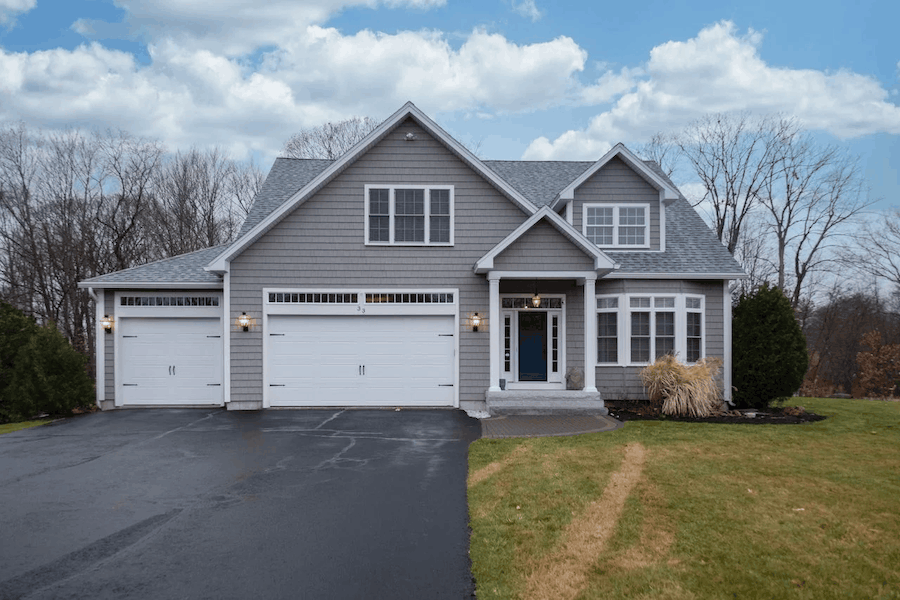
It starts small. A cracked board by the back door. Paint peeling again two summers after the last coat. A soft spot under the kitchen window. You decide fiber cement is the fix and call for quotes, and three estimates land thousands of dollars apart with no clear reason why.
Here’s the thing: the siding itself is rarely what separates those numbers. It’s what each quote includes, or quietly leaves out. Tear-off, trim, finish, and any rot hiding behind the old boards add up fast, and the lowest bid can become the most expensive one once the walls are open.
At AAA Siding & Remodeling, we’ve been replacing siding since 1998, and as the first James Hardie Elite Preferred Contractor in Missouri and Kansas, we’ve seen every one of those surprises firsthand. This guide walks you through what a complete Hardie board siding cost should include, so you can compare quotes with confidence and know exactly what you’re paying for.
Want a number you can trust? Contact us for a free onsite estimate or call 816-421-5433, or see how we handle James Hardie siding installation.
Why Hardie Board Siding Cost Matters Now
Before you compare quotes, it helps to see the bigger picture. National cost data and federal rules shape what a fair price looks like, and three points stand out.
- It is a large, long-term purchase. The 2025 Cost vs Value Report puts the national average for a fiber-cement siding replacement at $21,485. The benchmark job covers 1,250 square feet of factory-primed and factory-painted siding with all trim, which works out to roughly $17 per square foot installed.
- It tends to pay back at resale. The same report estimates the project adds $24,420 in resale value, recouping 113.7% of its cost, compared with 96.5% for a vinyl siding replacement.
- Older homes carry extra rules. Homes built before 1978 fall under the EPA’s lead-safe renovation rule, which affects how old siding comes off and what that step costs.
Taken together, these numbers make one thing clear: a Hardie board project is an investment worth planning carefully, and the details inside your quote matter as much as the total at the bottom.

7 Factors That Set the Cost to Replace Siding With Hardie Board
No two houses price out the same, even on the same street. These seven factors explain most of the difference between quotes. Use them as a checklist when comparing estimates.
1. Wall Area, Not Floor Area
Siding is priced by the square footage of the exterior wall, not your home’s living space. A two-story home with gables, dormers, and bump-outs needs more material and more cuts than a ranch with the same floor plan.
- Walls minus openings: Contractors measure each wall, subtract windows and doors, then add a waste factor for cuts.
- Height adds labor: Second stories and steep grades call for staging or lifts.
- Complexity adds time: Every inside corner, gable, and penetration needs extra trim and flashing.
2. Tear-Off and Disposal of the Old Siding
Most replacements start by removing the existing cladding down to the sheathing. That labor, plus dumpster and haul-away fees, belongs in every quote.
- Check that tear-off is listed: A low bid sometimes leaves it out or treats it as an extra.
- Skip the overlay: Removing old siding lets the crew inspect the wall and install a proper weather barrier.
- Know what you have now: Vinyl, wood, and aluminum each come off differently. Our guide on how to tell what kind of siding is on your home can help you identify yours.
3. Hidden Damage Behind the Boards
Old siding often hides soft sheathing, rotted sill plates, or failed flashing around windows. It is the most common source of change orders.
Warning signs to look for before tear-off:
- Bubbling or blistering paint from trapped moisture
- Brown staining or shadowing below windows and trim
- Soft or spongy spots when you press on the wall
- Recurring insect activity
A good estimate explains how hidden repairs are priced, such as per sheet of sheathing. If the damage is limited to one wall, siding repair may be the smarter spend.

4. Board Profile and Style
Hardie board comes in lap plank, Dutch lap, shingle and shake, board and batten, vertical panel, and other profiles. Each installs at a different pace.
- Lap siding: The most common profile and generally the most efficient to install.
- Shingle and shake: More pieces and more detail mean more labor per wall.
- Board and batten: Panels plus battens add a second layer of work.
- Mixed profiles: Accent gables raise the price a bit but add real curb appeal.
5. ColorPlus Prefinished vs. Primed and Painted
Hardie board is sold either factory-finished with ColorPlus Technology or primed for painting on site. Prefinished boards cost more up front but arrive ready to install.
- ColorPlus: A factory-applied finish backed by a 15-year finish warranty.
- Primed: Lower material cost, but painting becomes a separate line item, and future repaints are on you.
- Touch-up: Ask how the crew finishes cut edges and nail heads on prefinished jobs.
6. Trim, Soffit, and Weather Barrier
Trim is easy to miss on a quote. Corners, window and door casings, frieze boards, soffit, and fascia all need new material.
- Trim material: Fiber cement or cellular PVC. The national benchmark includes all trim.
- Soffit and vents: Replacing soffit is a good time to correct attic ventilation.
- Housewrap: A continuous water-resistive barrier protects the wall behind the siding. Learn why housewrap matters.
- Flashing: Kickout and window flashing stop the leaks that rot walls from the inside.

7. Lead-Safe Work and Dust Control
Two federal safety standards shape how the job is run.
- Pre-1978 homes: The EPA requires certified firms for paid work that disturbs paint in housing built before 1978. Only exterior work disturbing 20 square feet or less is exempt, so containment and cleanup usually add time.
- Silica dust: Fiber cement contains crystalline silica. OSHA’s exposure limit is 0.05 mg/m3 over an 8-hour average, and NIOSH recommends diamond-tipped blades with saws connected to a vacuum of at least 30 CFM.
- What you should see: Ground protection, a dedicated cutting station, and daily cleanup.
What to Ask Before You Hire
Two quotes can look nearly identical on paper and deliver very different results on your walls. These questions bring out the details that separate a complete bid from a cheap one, and a qualified contractor should answer each without hesitation.
- Does this price include tear-off, disposal, housewrap, and all trim? These are the items most often left out of low bids. Ask for each one in writing so you can compare every quote on the same scope.
- How are hidden repairs to sheathing or framing priced, and will I see the damage before you fix it? Rot behind old siding is the biggest source of surprise costs. A clear per-unit price and photos of any damage keep the final bill predictable.
- Will you install to James Hardie’s specifications, and what labor warranty do you provide? The product warranty depends on proper installation. Ask who covers workmanship, for how long, and whether the coverage transfers if you sell.
- If my home was built before 1978, is your firm EPA lead-safe certified? Federal rules require certified firms for paid work that disturbs paint in older homes. Ask to see the certificate and how the crew will contain and clean up the work area.
- How do you control silica dust when cutting fiber cement? Cutting the boards releases respirable crystalline silica. Look for diamond-tipped blades, saws connected to vacuum dust collection, and a dedicated cutting station.
Price is only half the equation. To see how long your investment should last, read How Long Does James Hardie Board Last?

Why Homeowners Choose AAA Siding & Remodeling
We are a family-owned and operated company that has served homeowners in Missouri and Kansas since 1998. Our owner, Daryoush Roudbar, is EPA RRP certified and a Missouri-certified Lead Abatement Supervisor, and members of our carpentry and paint crew have been with us since 1998.
- Recognized by James Hardie: We were the first James Hardie Elite Preferred Contractor in Missouri and Kansas, and we are an EPA Lead-Safe Certified Firm.
- Built to spec: Our factory-trained crews install every project to James Hardie’s specifications, which protects the 30-year limited transferable product warranty.
- Fast turnaround: Most full siding replacements take 7 to 14 days, depending on home size, weather, and trim complexity.
- Clear terms: Free onsite estimates, a reply within 24 hours, and financing through Hearth.
Our goal is a wall system that looks right on day one and keeps water out for decades.
Don't Let Damaged Siding Wait
That cracked board by the back door won’t fix itself. Every storm gives water another chance to slip behind the siding and reach the sheathing and framing, and a straightforward replacement can quietly turn into a structural repair.
The good news: it’s fixable, and the sooner you act, the more of your wall you protect. An itemized estimate takes the guesswork out of cost, and a look from the team at AAA Siding & Remodeling, the first James Hardie Elite Preferred Contractor in Missouri and Kansas, is the fastest way to a number you can trust.
Contact AAA Siding & Remodeling today. Homeowners across the Kansas City metro in Missouri and Kansas can schedule a free estimate or call (816) 421-5433. We’ll reach out within 24 hours, and a siding specialist will inspect your siding, substrate, and moisture-risk areas, walk you through materials and finishes, and hand you a detailed quote.
FAQ: Cost to Replace Siding With Hardie Board
How much does Hardie board siding cost per square foot?
The 2025 Cost vs Value Report’s fiber-cement benchmark averages $21,485 for 1,250 square feet, or about $17 per square foot installed with factory finish and trim.
Is it cheaper to replace vinyl siding with Hardie board or with new vinyl?
New vinyl usually costs less up front. The 2025 national average was $17,950 for vinyl siding replacement versus $21,485 for fiber cement, but fiber cement recouped more at resale: 113.7% compared with 96.5%.
How long does it take to replace siding with Hardie board?
Most full replacements take 7 to 14 days. Home size, weather, trim detail, and any hidden wall repairs can shorten or extend that window.
Is cutting Hardie board dangerous?
Cutting fiber cement releases dust containing respirable crystalline silica, which can cause silicosis, a lung disease with no effective treatment. NIOSH recommends diamond-tipped blades and saws connected to a vacuum of at least 30 CFM.
Does lead paint affect the cost of re-siding an older home?
It can. If your home was built before 1978 and the job disturbs more than 20 square feet of exterior paint, the EPA requires a certified firm using lead-safe work practices, which adds containment and cleanup steps.